When to Call a Newtown Emergency Vet for Exotic Pets
When to Call a Newtown Emergency Vet for Exotic Pets
Exotic pets bring a unique joy to many households in Newtown and the surrounding communities, whether you share your home with a talkative parrot, a curious bearded dragon, or a playful ferret. However, when these special animals suddenly seem “off,” it can be difficult to know if their symptoms require urgent care. Unlike dogs and cats, exotic species often hide signs of illness until their condition is advanced, making timely recognition and action critical. At Pet Town Veterinary, located at 56 Church Hill Rd, Newtown, CT 06470, our team of veterinarians is experienced in both routine and emergency care for exotic pets. In this guide, we will help you understand when to contact a Newtown emergency vet for your exotic companion, what symptoms to watch for in birds, reptiles, and small mammals, and how our veterinary team can help you protect your animal’s health in urgent situations. If you ever feel uncertain, remember that our practice offers same-day emergency services for exotics, and you can always call (203)-304-9040 for guidance or to schedule an appointment. For a deeper look at our specialized support, explore our exotic medicine services as well.
Recognizing Emergency Signs in Exotic Pets
Exotic pets are masters at concealing illness, so it is essential to be vigilant for subtle changes in their appearance or behavior. Many emergencies in birds, reptiles, and small mammals progress quickly, meaning that prompt action can be life-saving. Key symptoms to watch for are sudden weakness or collapse, severe difficulty breathing, bleeding that will not stop, seizures or severe tremors, persistent vomiting or diarrhea, refusal to eat for more than 24 hours, or significant swelling or wounds. In birds, additional warning signs include fluffed feathers all day, sitting at the bottom of the cage, tail bobbing while breathing, or changes in droppings. Reptiles may show distress by gaping, open-mouth breathing, or remaining lethargic and unresponsive. Small mammals, such as rabbits and guinea pigs, often display emergencies through not eating or passing stool, swelling of the abdomen, or rolling and twitching movements.
It is important to note that because exotic species have unique physiology and needs, what might seem minor in other animals can quickly become life-threatening for your companion. If any of these signs occur, do not wait to see if they resolve on their own. Contact a Newtown emergency vet immediately to discuss your concerns.
Why Exotic Pet Emergencies Happen
Understanding why emergencies develop in exotic species can help you prevent them and act quickly if they arise. Birds, reptiles, and small mammals often become ill due to undetected infections, nutritional deficiencies, injuries, or environmental stressors. For example, birds are susceptible to respiratory infections from drafts or exposure to aerosolized toxins, while reptiles frequently face issues from improper temperature, humidity, or lighting in their habitat. Small mammals may suffer from dental problems, gastrointestinal slowdown (GI stasis), or exposure to harmful foods.
Exotic animals also tend to mask symptoms as a natural defense mechanism, making even minor changes in behavior or appetite significant. Environmental factors, such as a sudden drop in temperature for reptiles or a new pet introduction for birds, can further contribute to acute stress and illness. Since these species often require very specific husbandry, even a temporary lapse in care can trigger an emergency.
How a Newtown Emergency Vet Treats Exotic Pet Crises
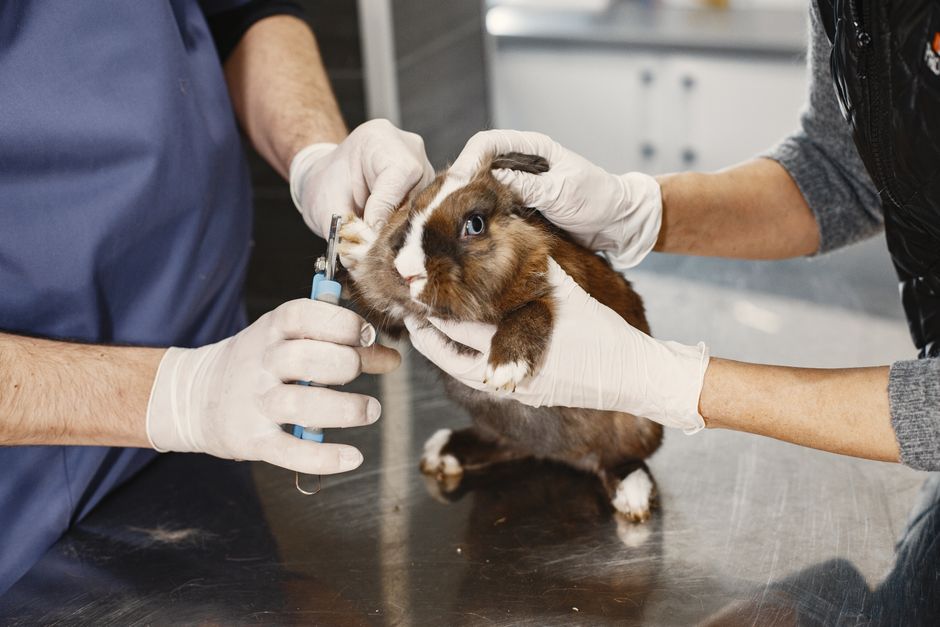
When you bring your exotic animal to Pet Town Veterinary for urgent care, our veterinary team is trained to quickly assess, stabilize, and treat a wide range of emergencies. The process typically begins with a thorough physical examination tailored to your species and a detailed review of your animal’s recent history and environment. Diagnostic tests such as bloodwork, digital radiology, or specialized imaging may be recommended to identify the underlying problem swiftly.
Treatment approaches involve supportive care that matches your animal’s specific needs. For birds in respiratory distress, oxygen therapy and antibiotics may be provided. In reptiles with suspected metabolic issues or dehydration, fluid support and adjustments to their habitat are implemented. Small mammals experiencing GI stasis may require fluids, pain control, and nutritional support. Whenever possible, our team will also address pain and provide immediate stabilization before further treatment decisions are made.
Throughout the emergency visit, our veterinarians will keep you informed and provide instructions for monitoring your animal once you return home. If your exotic companion requires ongoing care, we will outline the follow-up steps and coordinate with you to ensure the best possible recovery. For a closer look at our urgent services, visit our page on emergency veterinary care.
Home Care and Prevention for Exotic Animals
While not all emergencies can be prevented, attentive care and early intervention can greatly reduce risk for your exotic pet. Steps include maintaining a clean, species-appropriate habitat with correct temperature, humidity, and lighting; offering a balanced, species-appropriate diet; and observing your animal daily for changes in behavior or appearance. Make sure to avoid exposing your bird to fumes, sprays, or candles, and keep reptiles and small mammals safe from drafts or sudden temperature changes.
Regular checkups with an exotic-savvy veterinarian are vital for early detection of health issues. At Pet Town Veterinary, we recommend annual wellness examinations for all exotic pets, even if they seem healthy. Monitoring your animal’s weight, droppings, and level of activity at home will help you spot problems early. If you notice anything unusual, do not hesitate to call for advice, as prompt intervention is often the key to a positive outcome.
When to Seek Immediate Veterinary Care for Your Exotic Pet
Knowing when to call a Newtown emergency vet for your exotic animal can make all the difference. If your bird, reptile, or small mammal is having difficulty breathing, is unresponsive, has suffered trauma, is bleeding excessively, or has not eaten or passed stool for longer than a day, it is time to contact the veterinary clinic without delay. Additionally, any signs of seizures, collapse, or persistent vomiting or diarrhea should prompt immediate action.
Even if you are unsure whether your animal’s symptoms are a true emergency, it is always safer to consult with our veterinary team. We encourage you to call (203)-304-9040 for prompt guidance, and if needed, our state-of-the-art facility is equipped to provide same-day emergency care for exotic patients. Remember, waiting can sometimes limit the options for successful treatment, so trust your instincts and reach out if you have concerns.
Exotic Pet Emergencies: Supporting Your Unique Companion
Caring for exotic animals means being vigilant, proactive, and ready to act quickly when health problems arise. At Pet Town Veterinary, our veterinarians are dedicated to providing comprehensive emergency and routine care for birds, reptiles, and small mammals, serving Newtown and surrounding communities from our convenient location at 56 Church Hill Rd, Newtown, CT 06470. If you ever find yourself searching for a “vet near me” who truly understands the needs of your exotic companion, our team is here to support you with compassion and expertise.
Do not hesitate to contact us with any questions or to schedule an appointment if you notice changes in your animal’s health or behavior. For emergency care, call (203)-304-9040 right away, and for detailed information on our exotic and urgent services, explore our emergency veterinary care and exotic medicine pages. Your animal’s wellbeing is our highest priority, and we are honored to be your trusted Newtown emergency vet for all of your exotic pet’s needs.