Recognizing Illness in Exotic Pets: Signs for Newtown Owners
Recognizing Illness in Exotic Pets: Signs for Newtown Owners
Caring for an exotic pet comes with a unique set of joys and challenges. Whether you share your home with a colorful parrot, a curious ferret, or a gentle rabbit, these special companions often require extra attention when it comes to their health. Unlike dogs or cats, many exotic species instinctively hide signs of illness, making early detection even more vital for their wellbeing. At Pet Town Veterinary, located at 56 Church Hill Rd, Newtown, CT 06470, our veterinary team understands the subtle changes that can signal trouble in birds and small mammals. In this guide, you will find practical advice on how to recognize illness in your exotic pet, learn about the common causes behind these symptoms, and discover when it is time to schedule a visit for a thorough wellness examination. By staying vigilant and informed, you can help your unique companion thrive and enjoy many happy, healthy years together.
Spotting the Early Signs: How Exotic Pets Hide Illness
Birds, rabbits, guinea pigs, and other small mammals are instinctively programmed to conceal signs of weakness. In their natural environment, this helps them avoid predators; in your home, it can make illness much harder to spot until it becomes advanced. Recognizing the early warning signs is crucial for prompt intervention and a better prognosis.
Key symptoms of illness in exotic pets include subtle changes in appetite, such as eating less than usual or becoming pickier with food. You might notice weight loss, even if your pet still appears to be eating, so regular weighing is a helpful habit. Abnormal droppings offer another clue; for example, birds may pass watery or discolored droppings, while rabbits or guinea pigs might have fewer or misshapen pellets. Lethargy and reduced activity—especially if your pet is usually lively—are strong indicators that something may be wrong. Other behavioral shifts, like hiding more than usual, becoming unusually aggressive, or vocalizing less, can also signal discomfort.
Physical changes to watch for include ruffled or unkempt feathers in birds, a dull or matted coat in small mammals, labored breathing or sneezing, discharge from the eyes or nose, and swelling anywhere on the body. In some cases, you may observe limping, overgrown teeth in rodents or rabbits, or evidence of injury. If your exotic pet stops grooming, avoids favorite activities, or seems generally off, it is always safest to consult your veterinary team for a professional assessment.
Understanding the Causes: Why Exotic Pets Become Ill
Exotic pets are prone to a range of health issues that differ from those seen in dogs and cats. Their specialized needs mean that even minor changes in environment, diet, or routine can have a significant impact on their health.
Nutritional imbalances are a leading cause of illness, especially in species with particular dietary requirements. Birds may develop vitamin deficiencies if fed a seed-only diet; rabbits and guinea pigs require constant access to hay for proper digestion and dental health. Poor husbandry, such as inadequate cage cleaning, insufficient space, or lack of mental stimulation, can contribute to stress and weakened immune systems, making pets more susceptible to infections.
Infectious diseases are another concern. Bacterial, viral, and fungal infections can spread rapidly among birds housed together or small mammals kept in close quarters. External parasites, such as mites or lice, are more common among exotics than many owners realize. Respiratory issues often arise from drafts, dusty bedding, or poor ventilation, particularly in birds and rodents.
Dental disease is especially prevalent among rabbits, guinea pigs, and other rodents. Their teeth grow continuously, so improper diets can lead to overgrowth, pain, and difficulty eating. Trauma, such as falls or injuries from cage mates, may also lead to lameness or internal injuries that are not immediately obvious.
Understanding these underlying causes helps exotic pet owners create a healthier environment and reduces the risk of common health problems. However, even with excellent care, some illnesses can develop unexpectedly, which is why regular veterinary checkups are so important.
Professional Treatment: What to Expect at the Veterinary Clinic
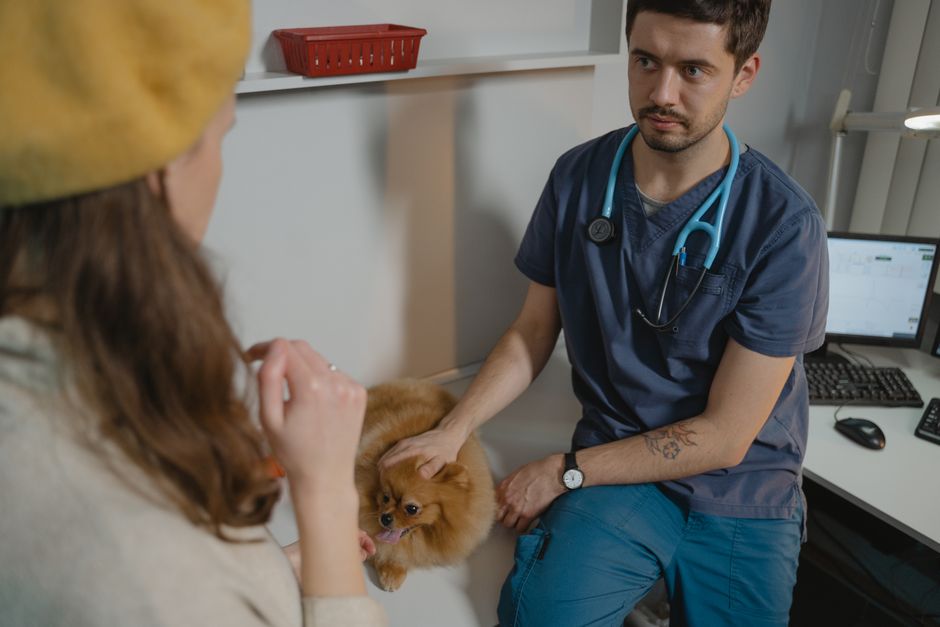
When you notice any signs of illness in your exotic pet, prompt veterinary attention is vital. The team at Pet Town Veterinary is experienced in providing comprehensive care for birds and small mammals, using a combination of physical examination, advanced diagnostics, and tailored treatment plans.
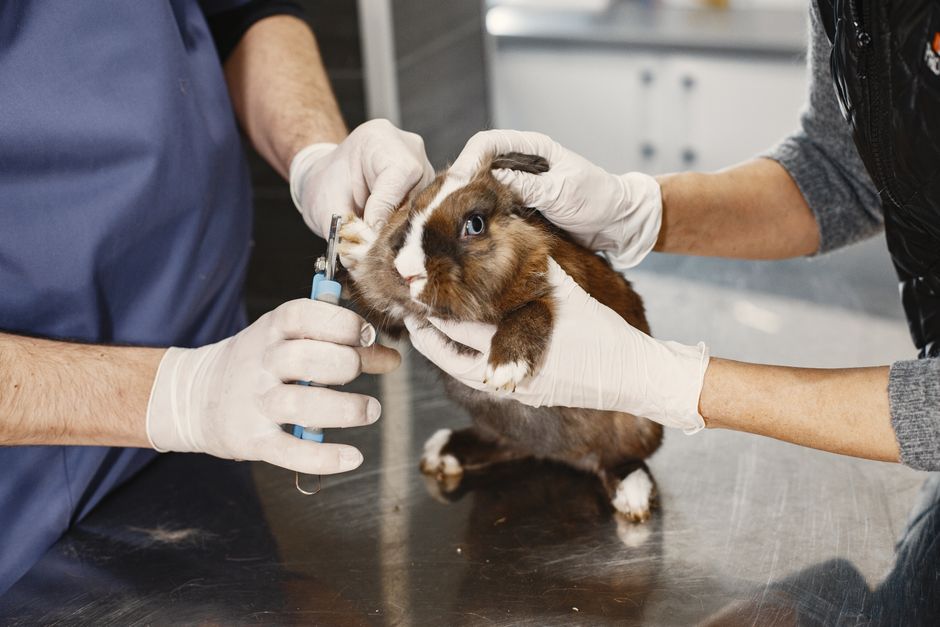
During your visit, your veterinarian will take a thorough history, asking about changes in behavior, eating habits, and environment. A detailed physical exam will follow, with careful attention paid to species-specific signs of illness. For example, the veterinarian might gently examine your rabbit’s teeth for overgrowth, listen to a bird’s breathing for respiratory issues, or assess a ferret’s hydration and body condition.
Diagnostic tests are often recommended to uncover hidden problems. Bloodwork, fecal analysis, and imaging—such as digital radiology or ultrasound—help identify infections, organ dysfunction, or internal injuries that are not visible externally. At Pet Town Veterinary, our in-house pet diagnostic lab enables us to obtain fast, accurate results and start treatment promptly.
Treatment approaches vary depending on the diagnosis. They may involve medications such as antibiotics or antifungals, fluid therapy, pain management, or supportive care like syringe feeding for anorexic pets. In some cases, advanced procedures such as dental trimming, minor surgery, or hospitalization for intensive monitoring may be required. Our veterinary professionals are committed to compassionate, species-appropriate care, providing clear guidance so you know what to expect every step of the way.
Prevention and Home Care: Keeping Your Exotic Pet Healthy
Prevention begins at home. Providing a species-appropriate diet is essential, whether that means offering a variety of fresh vegetables and high-quality pellets to your rabbit, or ensuring your parrot receives a balanced pellet-based diet with supplemental fruits and vegetables. Clean, spacious, and enriching environments help reduce stress and discourage the spread of disease. Regular cage cleaning, safe bedding, and access to toys or perches suited to your pet’s species are all important aspects of husbandry.
Monitoring your exotic pet’s weight, droppings, and behavior on a daily basis allows you to spot subtle changes quickly. Weigh your pet regularly using a kitchen scale for small mammals or a perch scale for birds. Track eating and drinking habits, as well as activity levels, and take note of any variations. Early recognition of changes enables you to act before illness progresses.
Annual or semi-annual wellness visits are recommended for all exotic pets, even if they appear healthy. Routine wellness examinations give your veterinarian the chance to detect problems early, offer tailored husbandry advice, and discuss preventive care such as parasite control or vaccination when appropriate. Building a strong partnership with your veterinary team ensures that your exotic companion receives the best possible care throughout their life.
When to Seek Veterinary Care: Acting Quickly for Exotic Pets
Because exotic pets can decline rapidly when ill, it is crucial to seek veterinary care at the first sign of trouble. Immediate attention is warranted if your bird, rabbit, or small mammal stops eating or drinking, has difficulty breathing, produces abnormal droppings, shows signs of pain (such as vocalizing, teeth grinding, or pressing their abdomen to the ground), or becomes suddenly lethargic and unresponsive. Other red flags include visible injuries, severe feather plucking, persistent sneezing, or seizures.
For any sudden or severe symptoms, do not wait. Contact your veterinary team right away; same-day emergency care is available at Pet Town Veterinary to address urgent situations for exotic pets. It is always better to err on the side of caution, as prompt intervention can make a significant difference in the outcome.
If you are ever uncertain about your exotic pet’s health, a professional assessment is the safest course of action. The veterinary team can help determine whether your companion needs immediate attention or if home monitoring is appropriate.
Supporting Your Unique Companion: The Value of Expert Exotic Care
Exotic pets enrich our lives with their intelligence, beauty, and charm, but their health needs can be complex and sometimes unpredictable. By learning to recognize the subtle signs of illness, understanding the factors that contribute to disease, and prioritizing preventive care, you can help your unique companion enjoy a long and vibrant life.
For expert guidance on exotic pet health, trust the veterinarians at Pet Town Veterinary. Our state-of-the-art facility in Newtown, CT, welcomes exotic pets from throughout the region. If you have concerns or notice changes in your bird, rabbit, guinea pig, or other small mammal, we encourage you to schedule an appointment for a wellness examination or reach out for exotic medicine services. For urgent issues, our same-day emergency care is available to give your exotic pet the immediate attention they need.
When searching for a veterinarian near me who truly understands exotic pets, look to the experienced veterinary professionals at Pet Town Veterinary. To schedule your visit or speak with our team, call (203)-304-9040 or stop by our welcoming facility at 56 Church Hill Rd, Newtown, CT 06470. Your exotic companion’s health and happiness are always our top priorities.