Pet Ultrasound Diagnostics for Birds and Small Mammals
Pet Ultrasound Diagnostics for Birds and Small Mammals: Advanced Care at Pet Town Veterinary in Newtown, CT
Curious how pet ultrasound diagnostics can support the health of your bird or small mammal? At Pet Town Veterinary, located at 56 Church Hill Rd, Newtown, CT 06470, our team of veterinarians uses advanced imaging to help detect illness early, guide treatment, and provide peace of mind for exotic animal owners. Birds and small mammals, such as rabbits, guinea pigs, ferrets, and reptiles, often hide signs of illness, making early and accurate diagnosis essential for their well-being. In this post, we will explore when pet ultrasound diagnostics are recommended for exotic species, what the process involves, how our modern facility supports unique animals, and when it is time to seek veterinary care. Whether you live in Newtown or in surrounding communities, our veterinary professionals are dedicated to helping you care for your feathered or small furred companions. If you are interested in learning more about our specialized exotic medicine services, you can visit our page on veterinary care for birds and small mammals.
Recognizing Health Problems in Birds and Small Mammals
Birds and small mammals are experts at hiding sickness. This instinct protects them in the wild but can make it challenging for owners to recognize when their companion needs help. Early signs of illness are often subtle, and changes in behavior or appetite may be the first clues that something is wrong. For birds, symptoms to watch for include fluffed feathers, decreased vocalization, reduced appetite, changes in droppings, or spending more time at the bottom of the cage. Small mammals may show signs such as hiding more than usual, eating less, changes in stool, or less grooming and activity. Additionally, you might notice your rabbit, guinea pig, or ferret is losing weight, breathing differently, or has a distended abdomen.
Because these changes can progress quickly, prompt attention is crucial. At Pet Town Veterinary, our veterinarians are trained to recognize subtle symptoms and recommend diagnostic tests that can reveal underlying health issues early.
Why Pet Ultrasound Diagnostics Matter for Exotic Animals
Ultrasound imaging is a powerful, non-invasive tool that allows veterinarians to look inside the bodies of small mammals and birds without surgery or discomfort. Unlike X-rays, which show bones and dense tissues, ultrasound provides detailed images of soft tissue organs such as the liver, kidneys, heart, reproductive tract, and intestines. This is especially important for exotic animals, whose small size and unique anatomy often make traditional diagnostics less effective.
Common reasons for recommending pet ultrasound diagnostics in birds and small mammals include unexplained weight loss, swelling of the abdomen, changes in urination or defecation, reproductive concerns, or difficulty breathing. For example, a bird with a swollen belly may have an egg that is not passing (egg binding), fluid buildup, or an internal mass, while a guinea pig with decreased appetite and bloating could have a gastrointestinal obstruction or liver disease. Ultrasound helps our veterinary team identify these problems accurately, so treatment can begin promptly.
If you would like to learn more about how our facility uses ultrasound technology for a wide range of species, visit our page on ultrasound diagnostic imaging for pets.
Unique Considerations for Exotic Species
Performing ultrasound on small mammals and birds requires specialized knowledge, gentle handling, and equipment designed for tiny patients. At Pet Town Veterinary, our team uses state-of-the-art ultrasound machines with high-frequency probes, allowing us to obtain detailed images even in the smallest animals. Our veterinarians understand the stress that veterinary visits can cause for exotic species, so we work carefully to minimize handling time and keep your companion comfortable during their exam. In some cases, a mild sedative may be used to reduce anxiety and movement, ensuring both safety and image quality.
What to Expect During an Ultrasound Exam
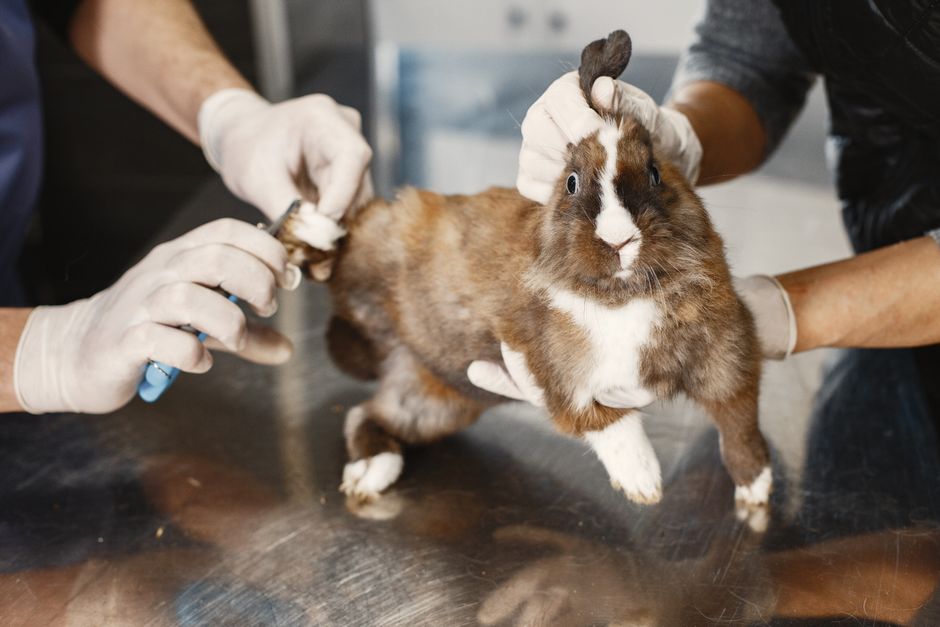
If our veterinary team recommends ultrasound for your bird or small mammal, the process is designed to be as stress-free as possible. First, we gather a thorough history and perform a gentle physical exam. Your animal may need to have a small area of feathers or fur gently parted or shaved to allow the ultrasound probe to contact the skin directly. Depending on the species and temperament, some animals may rest quietly while others benefit from light sedation.
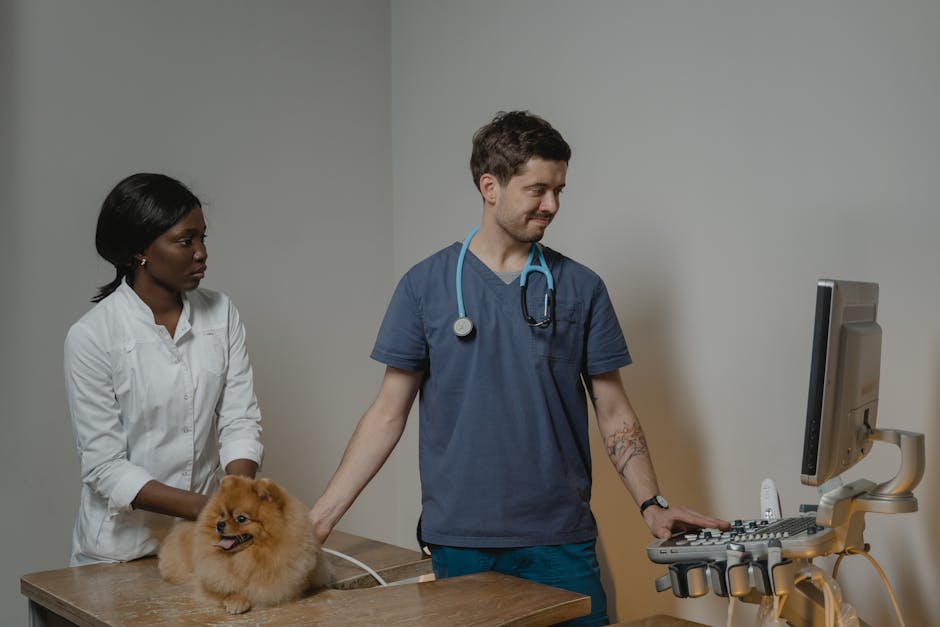
During the procedure, our veterinarian will apply a special gel and move a small probe over the area of interest. Real-time images appear on a screen, allowing us to assess organ size, shape, and texture, as well as detect any abnormal fluid, masses, or changes in blood flow. The exam typically takes between 15 and 45 minutes, and most animals recover quickly if sedation is used. Results are discussed with you the same day, and a plan for further testing or treatment can be created immediately.
Ultrasound is particularly valuable for guiding other procedures, such as fluid sampling or biopsies, which can be performed safely and precisely with real-time imaging.
Common Conditions Diagnosed by Ultrasound in Birds and Small Mammals
Pet ultrasound diagnostics can reveal a variety of health issues in exotic species that might otherwise go undetected until advanced stages. In birds, ultrasound can help diagnose egg binding, reproductive tract disease, heart problems, liver enlargement, and tumors. Small mammals such as rabbits, guinea pigs, and ferrets may be evaluated for bladder stones, kidney disease, gastrointestinal blockages, abscesses, and cancer.
For example, a ferret with persistent vomiting and lethargy might be found to have an intestinal foreign body, while a guinea pig with blood in the urine could be diagnosed with bladder stones or uterine disease. Ultrasound allows our veterinary professionals to differentiate between these possibilities and tailor a treatment plan to your animal’s specific needs.
To support a rapid diagnosis, Pet Town Veterinary also offers an in-house diagnostic laboratory for pets, enabling us to combine imaging findings with bloodwork and other tests for a comprehensive picture of your animal’s health.
Prevention and At-Home Monitoring for Exotic Pets
While some health issues cannot be prevented, careful husbandry and at-home observation play a vital role in keeping birds and small mammals healthy. Steps include providing a balanced diet appropriate to your species, maintaining a clean and enriched environment, monitoring for subtle changes in appearance or behavior, and scheduling regular checkups with an experienced exotic animal veterinarian. We recommend weighing your bird, rabbit, or small mammal regularly at home, since gradual weight loss is often the first sign of illness.
Additionally, avoid exposing your exotic companion to temperature extremes, drafts, or stressful situations whenever possible. Remember that a sudden change in droppings, eating habits, or energy level should always prompt a call to your veterinary team.
When to Seek Veterinary Care for Your Bird or Small Mammal
Knowing when to seek help is essential for exotic animal owners. Immediate veterinary attention is needed if your bird or small mammal stops eating, has trouble breathing, collapses, is bleeding, or shows signs of severe pain. Other concerning symptoms include a distended abdomen, persistent diarrhea or vomiting, sudden limping, or unresponsiveness. Because exotic species can decline rapidly, never hesitate to contact our team if you are unsure whether your animal’s condition is urgent.
For less severe but persistent issues—such as mild weight loss, subtle behavioral changes, or unexplained feather or fur loss—schedule an appointment promptly. Early intervention with pet ultrasound diagnostics often leads to better outcomes and less invasive treatment.
Compassionate Exotic Care and Pet Ultrasound Diagnostics in Newtown, CT
Caring for birds and small mammals requires specialized knowledge, empathy, and advanced technology. At Pet Town Veterinary, our commitment is to support owners of exotic species throughout Newtown and surrounding communities with state-of-the-art diagnostics, gentle handling, and a deep understanding of each animal’s unique needs. If you notice unusual signs in your bird, rabbit, guinea pig, ferret, or other small mammal, do not wait for symptoms to worsen. Our veterinary team is here to answer your questions, provide expert guidance, and offer ultrasound diagnostic imaging for pets when it is needed most.
To schedule an appointment or consult with our veterinarians about pet ultrasound diagnostics, call (203)-304-9040 or stop by our state-of-the-art facility at 56 Church Hill Rd, Newtown, CT 06470. When searching for a veterinarian near me for your exotic animal, trust the team at Pet Town Veterinary to provide caring, comprehensive service for every unique companion. For more information on our expertise with birds and small mammals, visit our page on veterinary care for birds and small mammals.
If you are ever unsure whether your bird or small mammal needs emergency care, always call our veterinary professionals for guidance. This blog is intended for general information only and should not replace individualized advice from a licensed veterinarian.