When to Call a Newtown Emergency Vet for Exotic Pets
When to Call a Newtown Emergency Vet for Exotic Pets
Caring for an exotic animal, whether a bright-feathered parrot or a curious guinea pig, brings unique joys and challenges. Unlike dogs and cats, birds and small mammals often hide signs of illness until their condition becomes serious. As a responsible exotic animal owner in Newtown, CT, it is essential to know when your companion needs urgent veterinary attention. At Pet Town Veterinary, located at 56 Church Hill Rd, Newtown, CT 06470, our team of veterinarians is experienced in identifying and treating emergencies in birds, reptiles, and small mammals. This guide will help you recognize critical symptoms, understand potential causes, and know when to contact a newtown emergency vet for your exotic companion. We will also discuss preventive care tips and what to expect when you seek emergency services. If you ever find yourself questioning whether your animal’s situation is urgent, our emergency veterinary care resources are available to help.
Recognizing Exotic Pet Emergencies: Key Signs to Watch For
Exotic animals are masters at masking discomfort, making it vital for owners to observe carefully for any changes in behavior or appearance. Signs of an emergency in birds include symptoms such as difficulty breathing, tail bobbing, fluffed feathers for prolonged periods, lack of appetite, or sitting at the bottom of the cage. For small mammals like rabbits, guinea pigs, or ferrets, warning signs are refusal to eat or drink, lethargy, labored breathing, blood in urine or stool, or sudden swellings. Reptiles may show concerning symptoms such as unresponsiveness, open-mouth breathing, swollen eyes, or abnormal postures.
Beyond these specific signs, any sudden change in normal behavior, such as unusual aggression, collapse, seizures, or unresponsiveness, should prompt immediate concern. Owners often notice subtle cues before a crisis, such as a parrot that suddenly stops vocalizing or a rabbit that isolates itself. If you notice any of these symptoms, it is crucial to act quickly, as exotic pets can deteriorate rapidly.
Why Exotic Pet Emergencies Can Escalate Quickly
The biology of exotic animals contributes to their vulnerability in emergency situations. Birds have fast metabolisms and limited energy reserves, so even short periods without food or water can have serious consequences. Small mammals, such as guinea pigs and rabbits, are prey species that instinctively hide illness to avoid appearing vulnerable. This behavior delays detection and often results in a more advanced stage of disease by the time clinical signs appear.
Additionally, many exotic species have specialized dietary and environmental needs. Inadequate temperature, humidity, or nutrition can stress the animal and trigger health crises. For example, a parrot exposed to drafts may develop respiratory illness quickly, while a reptile with improper basking conditions can suffer from metabolic bone disease or organ failure. Owners in Newtown and surrounding communities should be aware that subtle environmental changes, such as a sudden cold snap, can have outsized effects on sensitive exotic animals.
What to Do in an Emergency: Immediate Steps for Exotic Owners
When you suspect an emergency, your actions in the first few moments can make a critical difference. Start by removing immediate hazards—such as separating aggressive cage mates or stabilizing a fallen enclosure. Keep your exotic animal warm, calm, and in a quiet environment while you prepare for transport. If your bird is struggling to breathe, avoid restraining it unnecessarily, as stress can further compromise respiratory function. For small mammals or reptiles, support the animal gently, ensuring it cannot injure itself during transport.
Do not attempt to give food, water, or medications unless specifically directed by a veterinary professional. Many well-meaning home treatments may actually cause further harm, especially in exotic species with unique digestive systems or metabolic needs. The safest course is to contact a newtown emergency vet as soon as possible. Our emergency veterinary care team at Pet Town Veterinary can provide guidance over the phone and prepare for your arrival, ensuring your companion receives prompt attention.
How Our Veterinary Team Treats Exotic Pet Emergencies
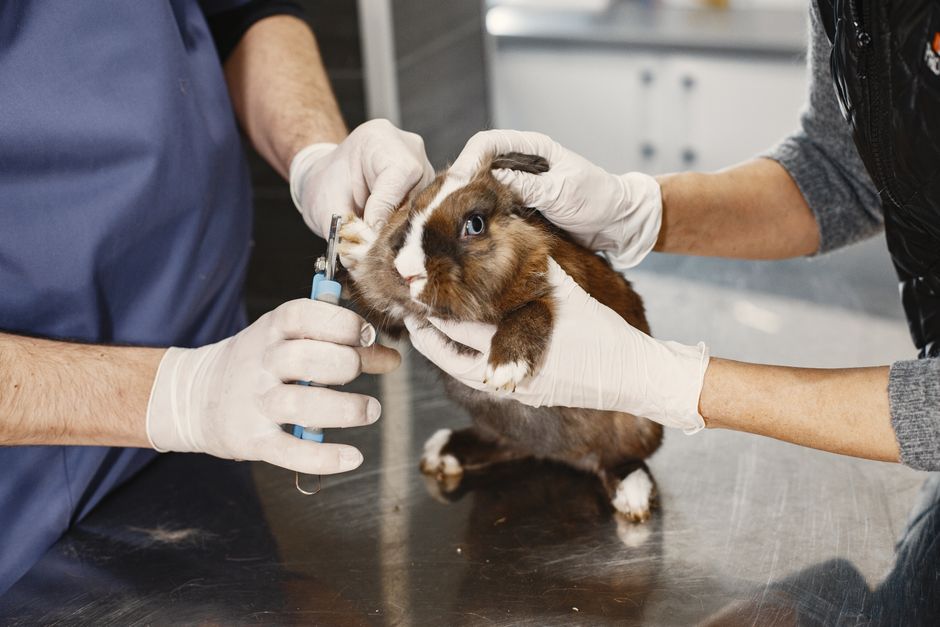
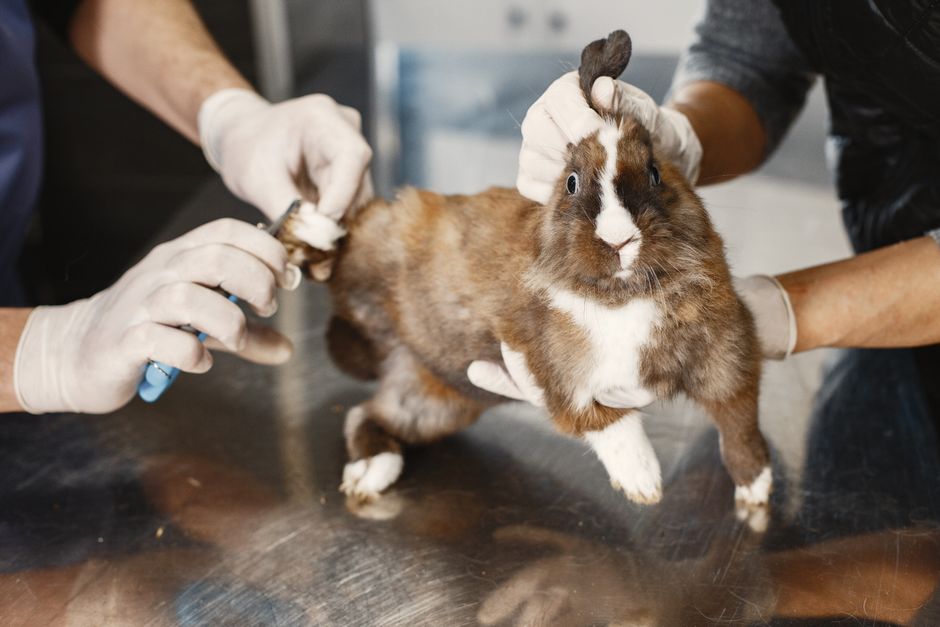
When you arrive at our state-of-the-art facility in Newtown, our team will begin with a thorough assessment tailored to your animal’s species and presenting symptoms. Birds may undergo oxygen therapy, imaging, and laboratory testing to assess respiratory function and rule out infections. Small mammals are evaluated for dehydration, pain, and internal injuries, often requiring supportive fluids, pain control, and careful monitoring. Reptiles benefit from temperature support and specialized diagnostics to identify metabolic or infectious diseases.
Our veterinarians utilize advanced diagnostic tools, such as digital radiology and in-house laboratory testing, to quickly determine the underlying cause of your animal’s distress. Whenever possible, we stabilize critical patients before pursuing further diagnostics. Treatment approaches for exotic emergencies often involve fluid therapy, nutritional support, wound management, and species-specific medications. We work closely with each owner to explain findings, outline a care plan, and provide ongoing updates throughout your animal’s hospitalization. For more information about our approach to exotic species, visit our exotic medicine services.
Preventing Exotic Emergencies: Proactive Care at Home
While some emergencies are sudden and unavoidable, many health crises in exotic pets can be prevented through attentive daily care and regular veterinary checkups. Begin by ensuring your animal’s enclosure meets all basic needs, including appropriate temperature, humidity, enrichment, and access to fresh water and species-specific diets. Routine cleaning and prompt removal of soiled bedding or uneaten food reduce the risk of bacterial and fungal infections.
Observation is key; get to know your animal’s normal habits and behavior so that any deviation is quickly noticed. Schedule regular wellness examinations with an experienced exotic veterinarian, such as those offered at Pet Town Veterinary in Newtown. These visits enable early detection of underlying issues, nutritional counseling, and tailored vaccination or parasite prevention plans.
For exotic species, environmental stressors are a common trigger for illness. Even simple changes, such as switching cage location or introducing new animals, should be monitored for any adverse effects. In Newtown’s variable climate, be mindful of drafts, temperature swings, and the impact of heating or air conditioning systems on your animal’s enclosure. By taking these proactive steps, you can significantly reduce the risk of emergencies.
When to Call a Newtown Emergency Vet for Your Exotic Pet
Acting quickly is critical when your exotic animal shows signs of distress or sudden illness. You should contact a newtown emergency vet if your bird is having difficulty breathing, bleeding uncontrollably, or is unresponsive. For small mammals, refusal to eat or drink for twelve hours, severe lethargy, seizures, or visible injuries require immediate attention. Reptiles who are limp, not moving, or have lost color rapidly should also be seen without delay.
If you are ever in doubt, it is better to err on the side of caution. Our emergency veterinary team at Pet Town Veterinary is equipped and ready to help you navigate these challenging situations. We encourage you to call (203)-304-9040 at the first sign of an emergency so we can provide instructions and prepare for your arrival. Remember, prompt action can be lifesaving when dealing with exotic species.
Your Local Resource for Exotic Emergencies and Ongoing Care
Every exotic animal deserves a veterinarian who understands their unique needs. At Pet Town Veterinary, our team is passionate about providing compassionate, expert care for birds, reptiles, and small mammals in Newtown and surrounding communities. We are here to support you through every stage, from preventive wellness to urgent care. If you are searching for a veterinarian near me who is experienced with exotic animals, you can trust our veterinary professionals to give your companion the best possible care.
If you have concerns about your exotic animal’s health, do not hesitate to contact us or schedule an appointment. Our commitment to advanced diagnostics, species-specific treatments, and owner education sets us apart as your local resource for exotic emergencies. Visit our exotic medicine services page to learn more, or call (203)-304-9040 for immediate assistance. When your unique companion needs help, count on Pet Town Veterinary in Newtown, CT to be your trusted newtown emergency vet.