When Does Your Pet Need an Ultrasound?
When Does Your Pet Need an Ultrasound?
If you’re a devoted pet owner in Newtown, you know that your dog, cat, or exotic companion is part of the family. When your veterinarian mentions the need for a pet ultrasound, it can spark anxiety and questions. Why would your pet need this test? What symptoms call for advanced imaging, and what actually happens during the procedure? At Pet Town Veterinary, located at 56 Church Hill Rd, Newtown, CT 06470, we believe that understanding pet ultrasound helps you make the best decisions for your animal’s health. Our state-of-the-art facility is equipped to provide gentle, accurate diagnostics for dogs, cats, and exotics, ensuring your companion receives the highest standard of care. In this guide, we’ll explore when an ultrasound may be recommended, what to expect during the process, and how our veterinary team supports you every step of the way.
Recognizing When Your Pet Might Need an Ultrasound
Deciding when to pursue a pet ultrasound often starts with recognizing changes in your animal’s health. Common reasons a veterinarian may suggest this advanced imaging include persistent vomiting or diarrhea that does not improve, sudden changes in appetite or weight, unexplained abdominal swelling, or discomfort. Other symptoms to watch for are straining to urinate, frequent urination, blood in the urine or stool, or visible discomfort when your pet moves or lies down. In some cases, your veterinarian may notice abnormalities during a routine physical exam, such as a new lump, an enlarged organ, or fluid buildup, and recommend an ultrasound for further investigation. For exotic pets like rabbits, guinea pigs, or birds, subtle signs such as decreased activity, fluffing up, or unexplained respiratory changes can also prompt the need for diagnostic imaging. Because our pets can't tell us exactly what hurts, it’s important to pay attention to both obvious signs and more subtle behavioral changes.
Subtle Signs in Dogs and Cats
For dogs and cats, symptoms that may seem mild or unrelated can be significant. For instance, increased drinking or urination, coughing, lethargy, or a gradual decline in energy may indicate underlying organ issues that an ultrasound can help diagnose. If you notice your cat hiding more than usual, or your dog becoming less interested in food or play, these behavioral shifts are worth discussing with your veterinarian.
When Exotics Need Special Attention
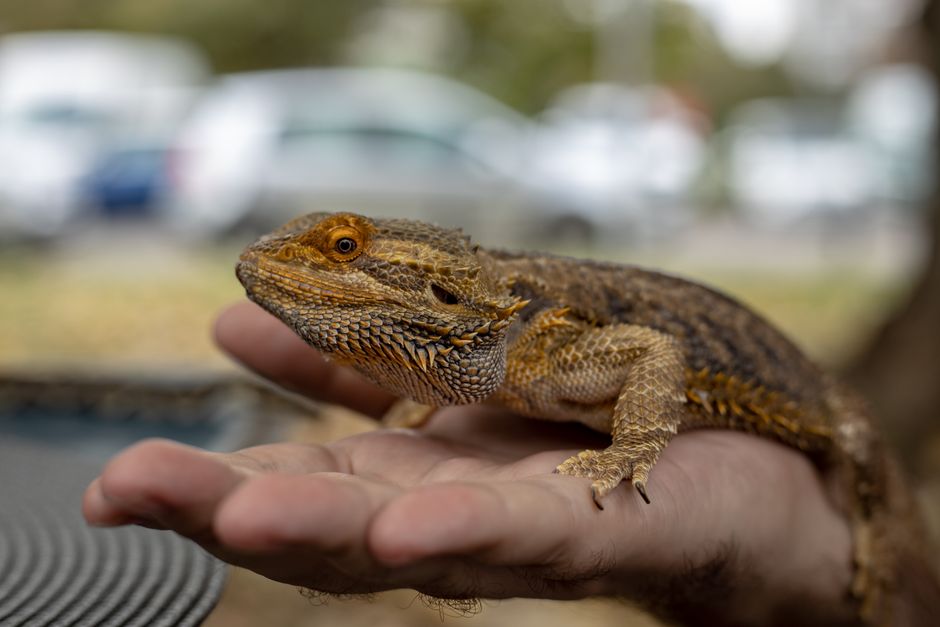
Exotic pets often hide illness until it becomes advanced, making routine monitoring and prompt veterinary attention even more crucial. Birds may show signs such as ruffled feathers, changes in droppings, or reduced vocalization. Small mammals might eat less, lose weight, or become less active. If your exotic pet is showing any of these subtle changes, a pet ultrasound can provide vital insights that help us intervene early.
Understanding Why Pet Ultrasound Is Recommended
Ultrasound is a non-invasive imaging tool that uses sound waves to create real-time pictures of the internal organs. This technology allows our veterinary team to visualize the structure and function of organs such as the liver, kidneys, bladder, spleen, heart, and reproductive organs. Unlike X-rays, which are excellent for viewing bones and certain structures, ultrasounds offer detailed images of soft tissues, making them invaluable for diagnosing a range of conditions.
Common Conditions Investigated with Ultrasound
Reasons your veterinarian may recommend a pet ultrasound include investigating masses or tumors, monitoring chronic diseases such as kidney or liver issues, evaluating the heart for murmurs or irregular rhythms, diagnosing bladder stones, and guiding biopsies for more precise sampling. Additionally, ultrasounds are frequently used to monitor pregnancies in dogs, cats, and exotics, as well as to assess reproductive health. For more information about our veterinary ultrasound services, explore our veterinary ultrasound services for pets in Newtown, CT.
Why Early Diagnosis Matters
Early detection is crucial in veterinary medicine. Ultrasounds can reveal problems long before they become apparent on physical exam, allowing for more effective treatment and a better prognosis. For example, identifying a liver mass or heart abnormality early gives you more options and time to make thoughtful decisions about your pet’s care.
What to Expect During a Pet Ultrasound at Pet Town Veterinary
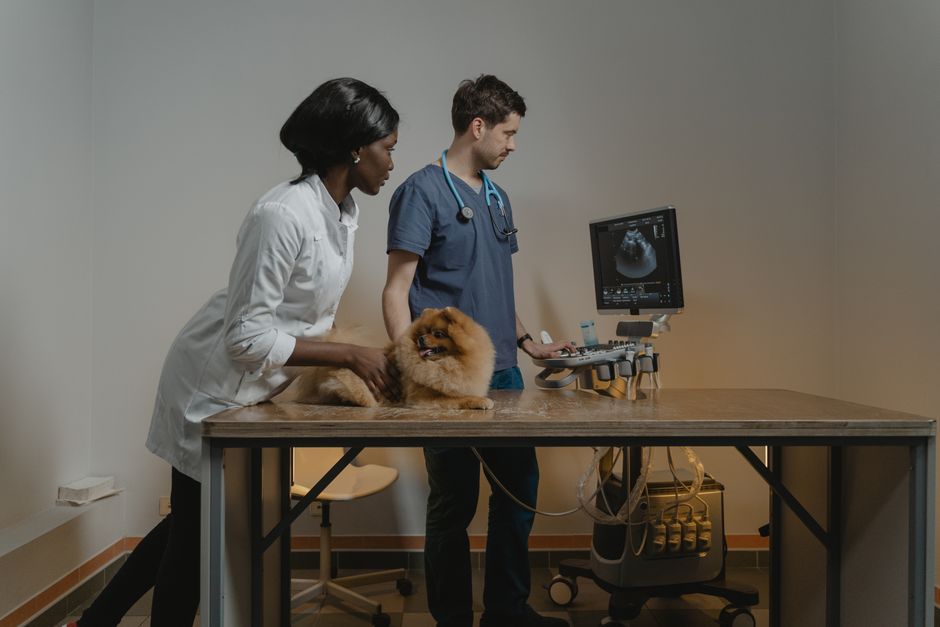
We understand that any medical procedure can be stressful for both pets and their owners. When your dog, cat, or exotic animal comes in for a pet ultrasound, our team of veterinarians takes every step to ensure the experience is as smooth and gentle as possible. The process typically involves your pet lying comfortably on a padded table while a small area of fur is shaved to allow for optimal contact with the ultrasound probe. A special gel is applied to enhance image quality, and the veterinarian or veterinary technician will gently move the probe across your pet’s skin to capture images in real-time.
How Long Does the Procedure Take?
Most pet ultrasounds take anywhere from 20 to 45 minutes, depending on the area being examined and your pet’s comfort level. In some cases, mild sedation may be recommended, especially if your pet is anxious or if precise, detailed images are needed. Our veterinary team will discuss any preparation or sedation needs with you ahead of time, ensuring you know exactly what to expect.
After the Ultrasound
Once the ultrasound is complete, our veterinarians will review the images and discuss findings with you. In many cases, results are available immediately, allowing for quick decision-making regarding the next steps in your pet’s care. If additional tests are needed, such as lab work or digital X-rays, we can coordinate those services seamlessly within our practice. Learn about our in-house pet diagnostic laboratory services that support comprehensive diagnostic testing.
Managing Your Pet’s Health After an Ultrasound
The results of a pet ultrasound may guide a variety of treatment approaches. If an abnormality is found, recommendations might include medication, dietary changes, surgical intervention, or monitoring with follow-up imaging. For conditions such as bladder stones or certain types of tumors, the ultrasound helps us plan surgical procedures with greater accuracy, minimizing risks and improving outcomes. In chronic disease management, regular ultrasounds allow for ongoing monitoring, helping to adjust treatments as needed and catch complications early.
Supporting Recovery at Home
After an ultrasound, most pets can resume normal activities immediately. If sedation was used, your pet may be sleepy for several hours, so it’s best to provide a quiet, comfortable place for rest. Follow any instructions provided by your veterinary team, including medication schedules, feeding recommendations, and signs to watch for at home. Keeping a written record of your pet’s symptoms, appetite, and behavior can be very helpful for follow-up visits.
When to Return for Further Care
Depending on your pet’s diagnosis, your veterinarian may recommend repeat ultrasounds to monitor progress. Chronic conditions such as heart disease, liver problems, or cancer often require regular check-ins to assess how well treatment is working. Staying in touch with your veterinary team and following their recommendations is the best way to ensure your pet’s ongoing health and comfort.
Preventive Care and the Role of Routine Diagnostics
While ultrasounds are often used to investigate specific symptoms, they also play a role in preventive medicine. Annual wellness exams for dogs, cats, and exotics sometimes reveal subtle changes that prompt further imaging, even before clinical signs develop. Routine screening can be especially important for senior pets, breeds prone to certain diseases, or exotic animals who may mask illness until it becomes advanced. Preventive care, including regular check-ups and early diagnostics, helps catch problems before they become serious and supports your animal’s long-term wellbeing.
The Importance of Working With Your Local Veterinarian
Choosing a veterinary team that knows your pet’s medical history and understands their unique needs is essential. At Pet Town Veterinary, our team of veterinarians partners with you to develop a personalized care plan for your dog, cat, or exotic animal. We provide advanced diagnostics, compassionate care, and thorough communication every step of the way.
When Should You Schedule a Pet Ultrasound?
Knowing when to seek professional help is one of the most important aspects of responsible pet ownership. If your pet is experiencing persistent vomiting, diarrhea, weight loss, changes in appetite, difficulty urinating, or any other concerning symptoms, scheduling an appointment for a pet ultrasound is a proactive way to address potential health issues. Sudden or severe changes in behavior, such as hiding, vocalizing in pain, or refusing food, should always prompt a call to your veterinarian. For exotic pets, any change in activity, appearance, or droppings can indicate a problem that warrants prompt attention.
Emergency Situations
In urgent cases—such as unrelenting vomiting, collapse, or visible distress—same-day emergency services are available during our regular business hours. Our state-of-the-art facility allows us to perform ultrasounds quickly and accurately, so your pet receives the care they need without delay. Never hesitate to contact our team if you are unsure; it is always better to be cautious when your pet’s health is at stake.
Choosing Pet Town Veterinary for Pet Ultrasound in Newtown
Your pet’s health is our top priority, and we’re proud to offer comprehensive pet ultrasound services right here in Newtown. Our veterinary team combines advanced imaging technology with years of experience caring for dogs, cats, and exotic pets. Whether you’re coming from Newtown or nearby communities, you can trust us to provide accurate diagnostics and gentle care every step of the way.
If you’re searching for a trustworthy "vet near me," our team at Pet Town Veterinary is here to help. Scheduling an appointment is easy—simply call (203)-304-9040 or visit us at 56 Church Hill Rd, Newtown, CT 06470. To learn more about our veterinary ultrasound services for pets in Newtown, CT, visit our website. Our veterinary professionals are committed to providing the highest standard of care for your pets, supporting you from diagnosis through treatment and beyond.
For compassionate, advanced care and answers about pet ultrasound, trust Pet Town Veterinary—your partner in pet health for Newtown and the surrounding communities.