How to Prepare Exotic Pets for Cooler October Weather
How to Prepare Exotic Pets for Cooler October Weather
As autumn arrives in Newtown, CT, the crisp air and falling leaves signal a change in season. While many people look forward to sweater weather and pumpkin treats, exotic animals such as birds, reptiles, and small mammals may be more sensitive to the cooler temperatures that October brings. At Pet Town Veterinary, our experienced exotic veterinary team understands how important it is for owners to know how shifting weather can impact these unique species. If you are wondering how to keep your exotic animal safe, healthy, and comfortable as the temperature drops, this guide will walk you through key signs to watch for, why these animals are particularly vulnerable, and what you can do at home. We will also cover when it is time to schedule a visit at our state-of-the-art facility on 56 Church Hill Rd, Newtown, CT 06470, ensuring your exotic friend receives the best possible care through the changing seasons.
Whether you care for a cockatiel, a bearded dragon, a rabbit, or a guinea pig, being proactive about autumn weather is essential. Our team is here to support you with up-to-date advice and services, from wellness examinations for exotic pets to same-day emergency care if your animal experiences sudden health changes. In this blog, you will learn how to recognize weather-related concerns, understand the science behind temperature sensitivity in exotics, and gain practical tips for keeping your animal comfortable as October unfolds.
Recognizing Signs of Cold Stress in Exotic Pets
Exotic animals are often more sensitive to their environment than dogs or cats. When temperatures in Newtown start to dip, it is important to watch for early signs of discomfort or health issues in birds, reptiles, and small mammals.
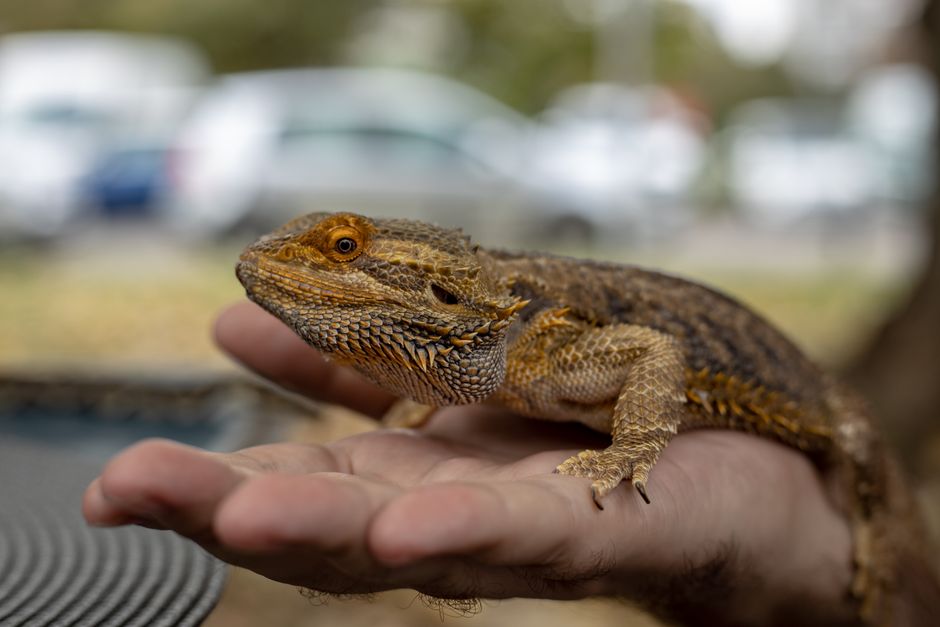
Birds may display ruffled feathers, lethargy, or decreased vocalization when they feel cold. You might notice your bird is sitting on the bottom of the cage more often or seems less interactive. For reptiles such as turtles, snakes, or bearded dragons, symptoms of cold stress include sluggish movement, loss of appetite, and difficulty digesting food. Since reptiles depend on external heat sources to regulate their body temperature, even a slight drop in room temperature can lead to significant health problems. Small mammals like rabbits, guinea pigs, and ferrets may begin to shiver, huddle in corners, eat less, or develop respiratory issues in response to cooler weather.
Key warning signs to watch for in any exotic species include changes in energy, eating habits, posture, and breathing. If you notice that your animal is less active, breathing faster or slower than usual, or refusing to eat, these can all be indicators that the cooler October weather is affecting their health. Early identification of these signs allows for prompt action before more serious complications arise.
Why Exotic Animals Are Sensitive to Cooler Temperatures
Understanding why exotic pets are more vulnerable to temperature changes can help you appreciate the importance of preparation as autumn arrives. Many birds, reptiles, and small mammals originate from climates that are warmer or more stable than a typical Connecticut fall. Their bodies have evolved to function optimally within a narrow temperature range, and sudden shifts can disrupt their metabolism, immune function, and overall comfort.
For birds, maintaining body heat requires a significant amount of energy. Smaller species, in particular, can lose heat rapidly in a cool room, leading to stress or even life-threatening hypothermia. Reptiles, as ectotherms, rely entirely on their environment to regulate body temperature. Without adequate heat sources, reptiles may become lethargic, experience poor digestion, or develop respiratory infections. Small mammals, although endothermic, can also be affected; for example, rabbits and guinea pigs cannot pant or sweat efficiently, so they are susceptible to both overheating and chilling.
In homes where heating may be inconsistent, or where cages and enclosures are placed near windows or doors, the risk of cold exposure increases. Drafts and sudden temperature drops overnight are especially problematic. It is also important to remember that the temperature you feel in your home may not be the same as inside your animal's enclosure, especially if it is near a floor, wall, or window.
How Pet Town Veterinary Can Help: Professional Care and Recommendations
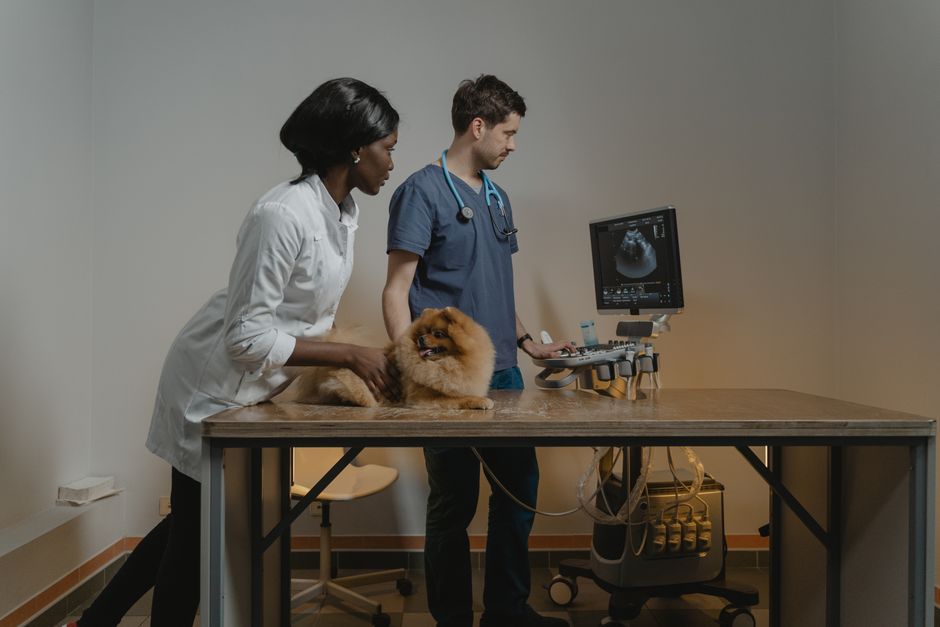
At Pet Town Veterinary, we provide comprehensive care for exotic animals, including wellness consultations, diagnostics, and emergency services tailored to the unique needs of birds, reptiles, and small mammals. Our modern facility is equipped with specialized tools and knowledgeable veterinarians who understand the intricacies of exotic medicine.
If your exotic animal is showing signs of cold stress, such as persistent lethargy, refusal to eat, or changes in breathing, our veterinary team recommends bringing them in for a wellness examination as soon as possible. During your visit, we will perform a thorough evaluation, discuss your animal’s housing and environment, and provide guidance on appropriate temperature ranges and humidity levels. For reptiles, this may include recommendations for specific heating lamps or under-tank heaters. For birds and small mammals, we may suggest enclosure placement, supplemental heating pads, or changes in bedding.
In urgent cases, such as sudden collapse, severe respiratory distress, or unresponsiveness, our team also offers emergency veterinary care for exotic pets. Prompt intervention can make a critical difference when seconds count, especially for species that can deteriorate quickly when exposed to cold.
Our goal is to help you create a safe, comfortable environment for your exotic animal, so they can thrive year-round regardless of the weather outside.
Home Care Tips for Keeping Exotic Animals Comfortable in October
While professional veterinary support is essential, there are several practical steps you can take at home to help your exotic animal adjust to the cooler weather. For birds, ensure their cage is placed away from windows, doors, and vents where drafts are common. Covering the cage at night with a breathable cloth can help retain warmth, but always leave enough ventilation for fresh air. Monitor the ambient temperature, aiming to keep it within the species-specific comfort zone, which our veterinary team can help you determine.
For reptiles, it is crucial to maintain a consistent heat gradient within the enclosure. Using thermostatically controlled heat lamps or under-tank heaters, you can ensure your reptile has access to both warm and cooler areas, allowing them to self-regulate. Regularly check the temperature with a reliable thermometer, and adjust as needed. In October, as night temperatures fall, you may need to increase the wattage of your heat source or adjust the enclosure’s location to avoid drafts.
Small mammals like rabbits, guinea pigs, and ferrets benefit from extra bedding material as the weather cools. Hay, shredded paper, or fleece blankets can provide additional insulation. Ensure their habitat is away from external walls and windows, and monitor for signs of shivering or huddling. If you use space heaters in your home, make sure they are placed safely and do not overheat the enclosure, as rapid temperature swings can be just as stressful as cold.
Hydration is also vital during the fall season. Dry indoor air can reduce humidity, affecting both respiratory health and skin condition. Consider using a humidifier near, but not inside, the enclosure for species that require higher humidity. Always provide fresh, clean water and check that bottles or bowls are not blocked or frozen during especially chilly nights.
When to Contact a Veterinarian: Ensuring Timely Care for Exotic Pets
Deciding when to seek veterinary care is a critical part of responsible exotic animal ownership. If you notice persistent changes in activity, appetite, breathing, or posture in your bird, reptile, or small mammal, it is best to contact our veterinary team sooner rather than later. Exotic animals often hide symptoms until they are quite ill, so early intervention is key.
Situations that warrant immediate veterinary attention include severe lethargy, difficulty breathing, collapse, uncontrolled shivering, or refusal to eat or drink for more than 24 hours. In these instances, same-day or emergency veterinary care for exotic pets may be necessary. If you are unsure, our team is always available during business hours to help you decide whether your animal needs to be seen urgently.
For less severe but persistent issues, scheduling a wellness examination can help identify underlying problems and ensure your animal is prepared for the months ahead. Our veterinarians have experience with the unique needs of exotic species and can offer tailored advice.
Keeping Exotic Pets Safe and Comfortable All Season Long
As October temperatures fall in Newtown and the surrounding communities, being proactive about your exotic animal’s needs is the best way to prevent weather-related health issues. By recognizing early signs of cold stress, understanding why your animal is sensitive to environmental changes, and following the practical tips outlined above, you can help your bird, reptile, or small mammal stay healthy and happy throughout autumn.
At Pet Town Veterinary, our exotic animal team is dedicated to supporting owners with expert care, from routine wellness to urgent medical needs. If you have questions about preparing your animal for cooler weather, or if you need to schedule a checkup, we invite you to contact us at (203)-304-9040 or visit our Newtown location. When searching for a veterinarian near me who truly understands exotic species, our team is here to help. Remember, even subtle changes in your animal’s behavior can be significant, so do not hesitate to reach out for guidance or to book an appointment. Your exotic animal’s comfort and health are always our top priority at Pet Town Veterinary.