What to Expect From a Pet Ultrasound in Newtown
What to Expect From a Pet Ultrasound in Newtown
If you’re a pet owner in Newtown, CT and your veterinarian has recommended a pet ultrasound for your dog, cat, or exotic animal, you may have questions about what this procedure involves. Understanding how a pet ultrasound works, what it can reveal, and what the process will be like for your companion can help ease any worries and prepare you for your visit. At Pet Town Veterinary, our state-of-the-art facility on 56 Church Hill Rd, Newtown, CT 06470 offers advanced diagnostic imaging, including pet ultrasounds, for dogs, cats, and many types of exotic pets. In this post, we’ll walk you through the reasons your pet might need an ultrasound, what you can expect during the procedure, and how our veterinary team provides comprehensive care to keep your pets healthy and comfortable.
Whether your pet needs a routine check or is experiencing health concerns that require closer examination, our veterinarians are committed to clear communication, gentle handling, and precise diagnostics. Read on to learn how a pet ultrasound in Newtown may help your pet—and how our team at Pet Town Veterinary supports you every step of the way.
Recognizing When Your Pet Might Need an Ultrasound
Pet owners often wonder what signs or symptoms might prompt a veterinarian to recommend an ultrasound. While not every health concern requires this imaging, there are several situations where an ultrasound provides crucial information that cannot be gathered through a physical exam or basic laboratory tests alone.
Common reasons your veterinarian may suggest a pet ultrasound include unexplained weight loss, changes in appetite, persistent vomiting or diarrhea, or noticeable abdominal swelling. Sometimes, a pet may have abnormal bloodwork results, such as elevated liver or kidney values, prompting further investigation. For dogs and cats, conditions like urinary issues, irregular heartbeats, or unexplained pain can also indicate a need for diagnostic imaging. Exotic pets, such as rabbits or birds, may benefit from ultrasound to evaluate internal organs if they show signs of illness that are difficult to pinpoint through external examination.
It’s important to note that sometimes, your pet may not display obvious symptoms, but a veterinarian may detect something unusual during a comprehensive pet exam or routine blood work that warrants further evaluation. Early detection is key, and an ultrasound allows your veterinary team to identify and address health concerns before they become more serious.
How a Pet Ultrasound Works: The Science Behind the Scan
A pet ultrasound is a noninvasive imaging tool that uses high-frequency sound waves to create real-time pictures of your pet’s internal organs. This technology is similar to the ultrasounds used in human medicine for viewing organs, monitoring pregnancies, and diagnosing disease.
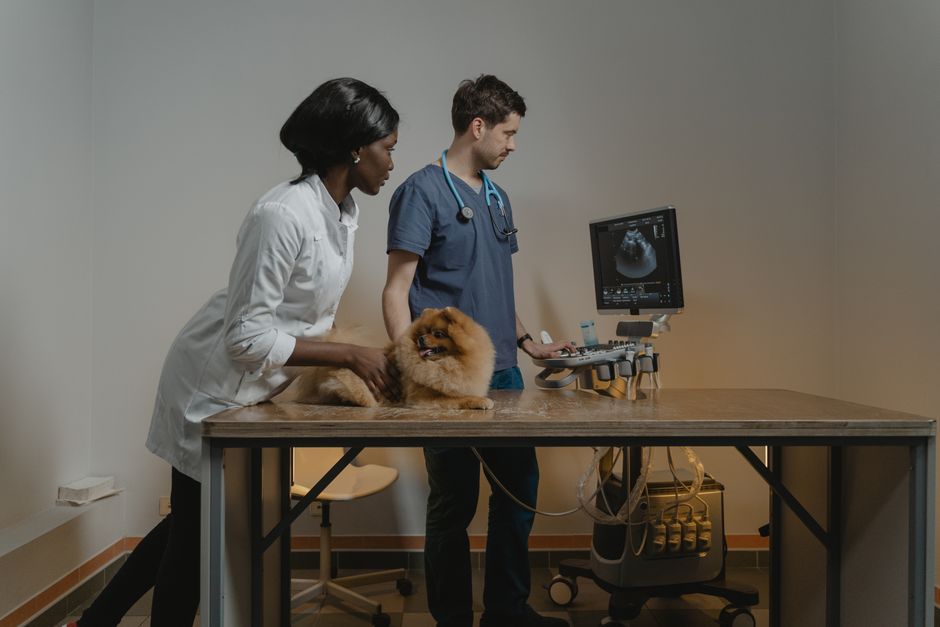
During an ultrasound, a small handheld device called a transducer is moved gently over the area of interest, typically with the help of a special gel to ensure good contact. The transducer emits sound waves that bounce off internal structures and return to the device, creating a live image on a monitor. This allows our veterinary professionals at Pet Town Veterinary to examine the size, shape, and texture of organs such as the liver, kidneys, bladder, spleen, heart, and, in some cases, reproductive organs. For exotic pets, ultrasound can reveal conditions affecting the gastrointestinal tract, reproductive system, or even the heart, depending on the species.
One of the main benefits of a pet ultrasound is that it does not use radiation, making it a safe option for evaluating many health concerns. In some cases, ultrasound may be paired with digital radiology or lab tests to provide a more complete picture of your pet’s health.
What Happens During a Pet Ultrasound at Pet Town Veterinary
When you bring your pet in for an ultrasound at our Newtown facility, our veterinary team begins by reviewing your pet’s medical history and discussing any recent symptoms you’ve observed. Your pet will be gently placed on a padded exam table, and the area to be scanned may be shaved to allow for clearer images. Most pets tolerate the procedure well and do not require sedation; however, if your companion is anxious or uncomfortable, we will discuss options to keep them calm and stress-free throughout the process.
The actual scan typically takes between 20 and 45 minutes, depending on the complexity of the case and the area being examined. You may be able to stay with your pet during the procedure, offering comfort and reassurance. Our veterinarians focus on gentle handling and clear communication, explaining each step and answering your questions along the way.
After the scan, the images are reviewed by our team, and, if needed, sent to a veterinary radiologist for further interpretation. We will then discuss the findings with you, explain what the images reveal, and recommend any next steps. This might include additional diagnostics, treatment options, or monitoring, depending on your pet’s needs.
Common Conditions Diagnosed with Pet Ultrasound
Ultrasound is an incredibly versatile tool that helps diagnose a wide range of health issues in dogs, cats, and exotic pets. For example, in dogs and cats, ultrasound can detect tumors or masses, fluid accumulation, changes in organ size, bladder stones, and even certain types of gastrointestinal blockages. When it comes to heart health, ultrasound—specifically echocardiography—provides detailed images of heart structure and function, which can be vital for pets with murmurs or suspected heart disease.
In exotic pets, such as rabbits, guinea pigs, and birds, ultrasound may reveal reproductive issues, egg binding, or organ enlargement that would otherwise be difficult to detect. Additionally, ultrasound can help monitor pregnancy in both dogs and certain exotic species, providing important information about fetal development and maternal health.
Understanding what is happening inside your pet’s body allows our veterinarians to make informed decisions about treatments and improve the chances of a positive outcome.
How Pet Ultrasound Aids in Treatment Planning
The information gathered from a pet ultrasound is essential for developing an accurate diagnosis and effective treatment plan. For some conditions, an ultrasound can determine whether surgery is necessary or if a less invasive approach is possible. In cases where a mass or abnormal tissue is detected, ultrasound can guide a fine-needle aspiration or biopsy, allowing samples to be collected for laboratory analysis without major surgery.
Ultrasound also plays a critical role in monitoring chronic conditions such as liver or kidney disease, enabling your veterinary team to track changes over time and adjust your pet’s care as needed. For pets undergoing treatment for cancer, ultrasound can help assess the effectiveness of therapy and detect any recurrence of disease.
At Pet Town Veterinary, we combine ultrasound findings with results from our in-house diagnostic laboratory and other advanced imaging tools to provide comprehensive and timely care tailored to your pet’s unique needs.
What You Can Do at Home Before and After a Pet Ultrasound
As a pet owner, your role in preparing your pet for an ultrasound is important. Our veterinary team will provide specific instructions based on your pet’s case, but in general, you may be asked to withhold food for several hours before the procedure to improve image quality, especially for abdominal ultrasounds. Water is usually allowed, but your veterinarian will clarify if any restrictions are needed.
After the ultrasound, most pets can return to their normal routine right away, as the scan itself is noninvasive and does not cause discomfort. If sedation was used, your pet may be a bit sleepy for a short time, but this typically resolves within a few hours. Our team will discuss any findings with you and outline any necessary next steps, such as additional testing, follow-up appointments, or home care instructions.
Being attentive to your pet’s behavior and reporting any changes to your veterinarian helps ensure that ongoing care is as effective as possible.
When to Seek Veterinary Care for Your Pet
If your dog, cat, or exotic pet is experiencing persistent vomiting, unexplained weight loss, changes in urination or defecation, abdominal swelling, or signs of pain, it’s important to contact a veterinarian promptly. Early intervention not only increases the likelihood of a positive outcome, but also reduces the risk of complications. Sometimes, subtle changes such as decreased energy, reluctance to eat, or hiding behavior in cats and exotics may indicate underlying issues that require further investigation.
At Pet Town Veterinary, we encourage pet owners to trust their instincts—if you notice something unusual, don’t hesitate to reach out. Our veterinarians can help determine whether a pet ultrasound or other diagnostics are needed to get to the root of the problem.
Advanced Care for Dogs, Cats, and Exotics in Newtown
At Pet Town Veterinary, our commitment to your pet’s health goes beyond routine care. Our state-of-the-art facility is equipped to provide advanced diagnostics, including pet ultrasound, to help detect and manage a wide range of health concerns. Whether your companion is a playful puppy, a senior cat, or a cherished exotic pet, our veterinary professionals are here to support you with compassionate, thorough care.
If you are searching for a "vet near me" who can offer expert ultrasound and diagnostic services in Newtown and surrounding communities, our team at 56 Church Hill Rd, Newtown, CT 06470 is ready to help. To schedule a pet ultrasound or discuss your pet’s health concerns, contact our team at (203)-304-9040 or visit our website to learn more about our veterinary ultrasound services.
Your pet’s wellbeing is always our top priority. Trust Pet Town Veterinary to provide the expertise, technology, and compassionate care your pet deserves—right here in Newtown. If you have questions about pet ultrasound or want to schedule an appointment, our veterinarians look forward to helping your companion thrive.