What to Expect at a Pet Exam for Exotic Animals
What to Expect at a Pet Exam for Exotic Animals
When you share your life with an exotic animal—a vibrant parrot, a curious rabbit, or a gentle guinea pig—you know these unique companions require specialized attention. As an owner of a bird or small mammal in Newtown, CT, you may wonder what really happens during a pet exam for exotic animals and how these visits help safeguard your companion’s health. At Pet Town Veterinary, our veterinary team is dedicated to providing gentle, expert care tailored to the needs of non-traditional pets, ensuring every visit is a positive experience for both you and your animal. In this blog, we’ll walk you through what to expect at a pet exam for exotic species, explain why regular checkups are important, and describe how our state-of-the-art facility and compassionate veterinarians support the wellbeing of exotics in Newtown and surrounding communities. If you are preparing for your first visit or considering a new veterinary partner for your unique animal, you’ll find practical guidance and reassurance from start to finish. For more details on our approach to exotic medicine, visit our exotic veterinary services page.
Why Exotic Animals Need Regular Pet Exams
Exotic animals, from cockatiels to chinchillas, have evolved to hide signs of illness far more effectively than dogs or cats. This natural instinct makes them experts at masking symptoms until health problems are advanced. As a result, many owners only realize their bird or small mammal is unwell when the situation has become serious. A routine pet exam plays a crucial role in catching subtle changes early, supporting a longer, healthier life for your companion.
During a comprehensive pet exam, our veterinary team evaluates more than just weight and appearance. We examine your animal’s behavior, breathing, feather or fur quality, and even subtle signs like changes in droppings or eating patterns. This thorough assessment helps us detect nutritional imbalances, dental issues, respiratory concerns, and the first signs of infectious disease—all common challenges for exotic species. Early intervention is often the difference between a simple treatment plan and a more complicated health battle, which is why we encourage regular checkups tailored to the needs of each species.
Recognizing When Your Exotic Animal Needs a Pet Exam
Owners of birds and small mammals often ask how to tell if their companion needs veterinary attention. While annual or semi-annual pet exams are recommended for all exotics, certain warning signs mean you should schedule a visit right away. Changes in appetite, sudden weight loss, fluffed or ruffled feathers in birds, dull or patchy fur in small mammals, sneezing, discharge from the eyes or nose, and changes in droppings or urine output are just a few indicators that something may be amiss. Additionally, lethargy, difficulty breathing, unusual vocalizations, or changes in social behavior can signal serious underlying issues.
For example, a previously energetic cockatiel that spends more time at the bottom of the cage or a rabbit that stops eating hay both need immediate attention. Because exotic animals can deteriorate quickly, it’s always better to err on the side of caution and consult with a veterinarian experienced in exotic care. To learn more about the signs that warrant a veterinary visit, you can explore our comprehensive pet exam services for exotic animals.
The Pet Exam Process for Exotic Animals
What Happens During a Bird or Small Mammal Exam?
When you bring your exotic companion to Pet Town Veterinary for a pet exam, the process is designed to minimize stress and maximize insight into your animal’s health. Our veterinarians begin by reviewing your pet’s history, including diet, housing, enrichment, and any recent changes you have noticed. We encourage you to bring photos of your animal’s enclosure, a sample of its diet, and even fresh droppings if possible; these details help us tailor our recommendations to your companion’s unique environment.
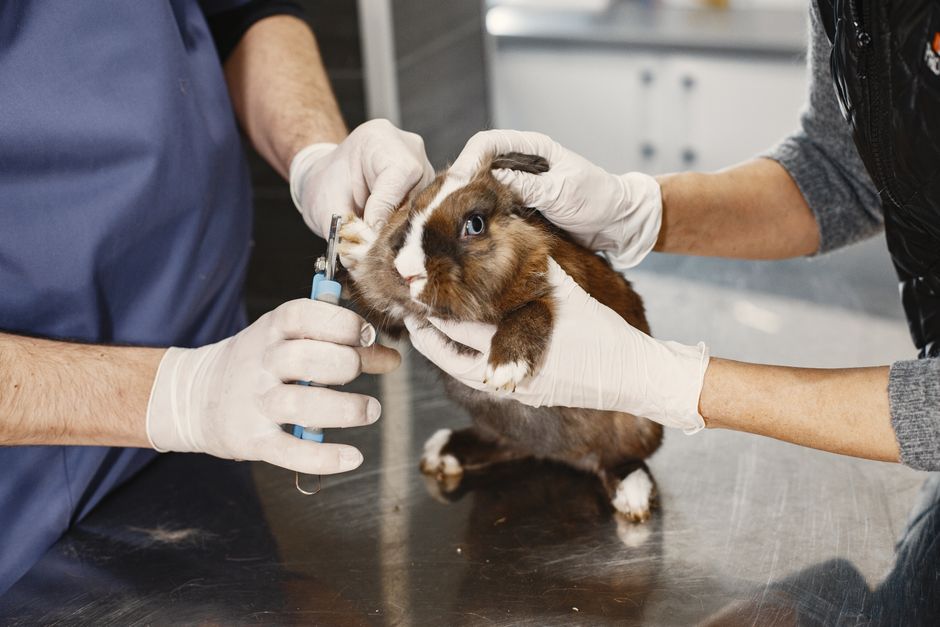
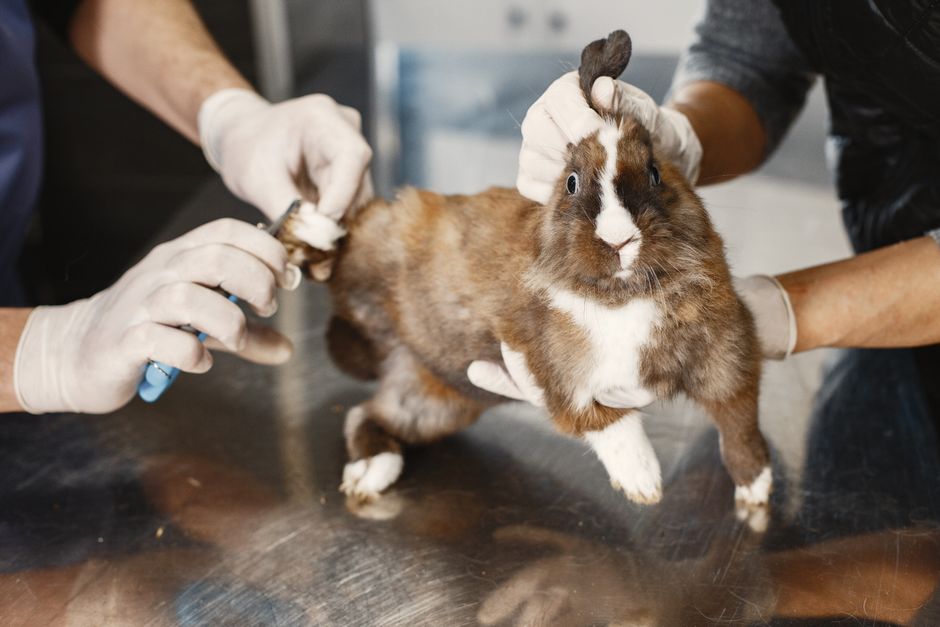
The hands-on portion of the exam starts with a visual assessment, watching your animal’s posture, breathing, and interactions. For birds, we check feather quality, beak and nail length, and listen closely to respiratory sounds. For small mammals like rabbits, guinea pigs, and ferrets, we examine the skin, coat, teeth, and overall body condition. Gentle handling is always a priority to reduce anxiety and the chance of injury.
Advanced Diagnostics and Laboratory Testing
Depending on your animal’s species and health status, our team may recommend diagnostic testing during the pet exam. In-house laboratory capabilities at our Newtown location allow us to perform bloodwork, fecal analysis, and X-rays right away, helping us rapidly assess organ function, screen for parasites, and identify hidden health concerns. Diagnostic imaging can be especially important for birds and small mammals, as internal problems often show few outward symptoms. By catching issues early, we can implement treatment plans that are more effective and less invasive.
Why Exotic Pet Exams Are Different From Dog and Cat Visits
Caring for exotics requires a different approach than traditional dog or cat medicine. Each species has unique needs for nutrition, temperature, humidity, lighting, and social interaction. For example, a bearded dragon’s health depends on proper UVB lighting and calcium balance, while a guinea pig requires a diet rich in vitamin C to prevent deficiency. Our veterinarians are trained to recognize the subtle nuances that make exotic care distinct, and we continually update our protocols to reflect the latest advances in avian and small mammal medicine.
Additionally, exotic animals are often more sensitive to stress during travel and handling. We take special care to create a calm, quiet exam environment, use species-specific handling techniques, and encourage you to bring familiar items from home, like a favorite perch or bedding, to help your companion feel secure. This attention to detail ensures that every pet exam is as gentle and informative as possible.
Preventive Care and Home Strategies for Exotic Animals
Preventive care is the cornerstone of long-term wellness for birds and small mammals. Between exams, you can support your animal’s health by maintaining a clean, spacious enclosure, providing a varied and species-appropriate diet, and offering enrichment that encourages natural behaviors. Monitoring your animal’s weight, droppings, and activity levels at home allows you to detect subtle changes early.
Our team is always available to provide guidance on husbandry, nutrition, and behavioral enrichment tailored to your animal’s species. We recommend scheduling a pet exam at least once a year; for some species, such as senior rabbits or birds with chronic conditions, more frequent visits may be needed. By partnering with veterinary professionals who understand the complexities of exotic medicine, you’re giving your companion the best chance for a healthy, happy life.
When to Seek Veterinary Care for Your Exotic Animal
While regular wellness exams are essential, certain situations require prompt veterinary attention. If your bird or small mammal shows signs such as rapid breathing, inability to stand, bleeding, sudden collapse, or seizures, contact our veterinary team immediately. Time is especially critical with exotics, as they can decline quickly without obvious warning. Our Newtown facility offers same-day emergency services during business hours for urgent cases involving exotic animals.
If you are unsure whether your animal’s symptoms require urgent attention, it is always safer to call and discuss your concerns with our team. We can help you determine whether an immediate visit is needed and provide advice on keeping your companion comfortable until you arrive. For more information about our rapid response capabilities, see our emergency veterinary care for exotics.
Choosing the Right Veterinarian for Exotic Animals
Selecting a veterinary team with experience in exotic care is vital for your animal’s health. Not all practices have the training, equipment, or passion necessary to provide comprehensive medicine for birds and small mammals. At Pet Town Veterinary, our veterinarians are dedicated to ongoing education in avian and exotic medicine, ensuring your companion receives the most up-to-date and compassionate care available.
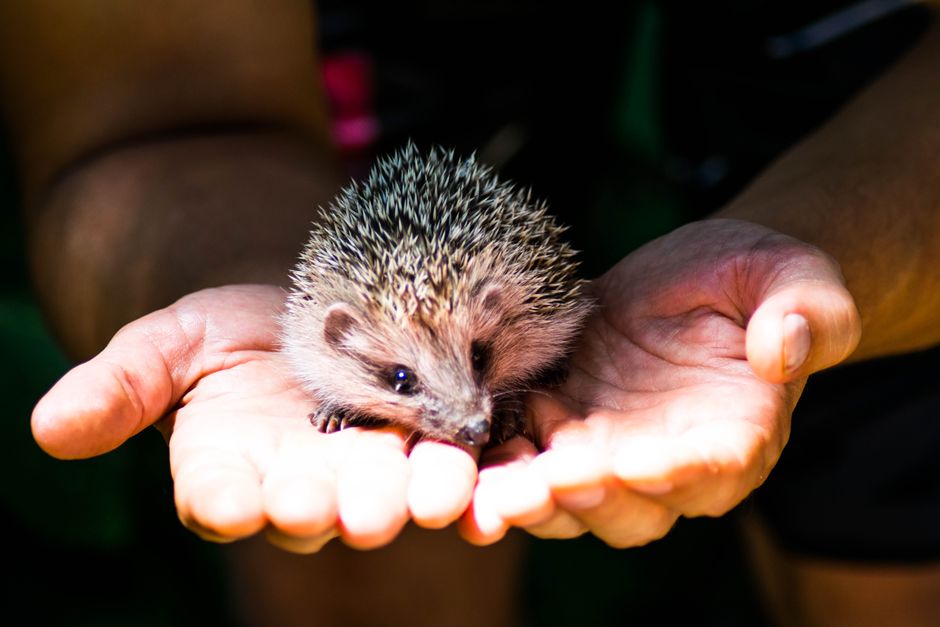
Our facility is equipped with specialized diagnostic tools and quiet, species-appropriate housing for hospitalized exotics, so your animal is in capable hands from the moment you arrive. We are proud to serve Newtown and surrounding communities, helping owners feel confident in their choice of veterinary partner. Whether you have a cockatoo, a ferret, or a hedgehog, we are here to support you every step of the way.
Schedule Your Exotic Pet Exam in Newtown, CT
Regular pet exams are the foundation of lifelong wellness for exotic animals. By scheduling routine checkups, you give your bird or small mammal the best chance to thrive and catch health concerns before they become serious. At Pet Town Veterinary, our veterinarians are passionate about providing gentle, thorough care for every exotic companion in Newtown and the surrounding area. If you are searching for a "veterinarian near me" who truly understands the needs of birds and small mammals, our team is ready to help.
To schedule a pet exam or learn more about our approach to exotic animal care, call our friendly veterinary professionals at (203)-304-9040 or visit us at 56 Church Hill Rd, Newtown, CT 06470. To dive deeper into what’s included in a wellness examination for exotics, explore our comprehensive pet exam services. Your companion deserves specialized care—and we are honored to be your trusted partner in their health.
This blog is intended for informational purposes only and should not replace professional veterinary evaluation. If your exotic animal is experiencing symptoms or you have concerns about their health, please schedule an appointment with a qualified veterinarian.