Pet Exam Essentials for Exotic Animals in Newtown
Pet Exam Essentials for Exotic Animals in Newtown
Exotic pets like birds and small mammals hold a special place in many Newtown homes, captivating owners with their unique personalities and care requirements. If you share your life with a parrot, rabbit, guinea pig, or other non-traditional companion, you may wonder what happens during a pet exam designed specifically for exotic species. At Pet Town Veterinary, located at 56 Church Hill Rd, Newtown, CT 06470, our experienced veterinary team provides comprehensive care tailored to the needs of these remarkable animals. In this article, we’ll guide you through what to expect during a pet exam for your exotic animal, why these visits are so important, and how our team helps your pet thrive year-round. Whether you’re new to exotic animal care or a seasoned enthusiast, understanding the essentials of a pet exam can give you peace of mind and help your companion live their healthiest life.
Recognizing When Your Exotic Animal Needs a Pet Exam
Exotic pets are often masters at hiding illness, making it challenging for owners to spot early warning signs. Unlike dogs and cats, birds and small mammals instinctively mask symptoms to avoid appearing vulnerable in the wild. Because of this, routine pet exams are vital for catching health issues before they become advanced.
Key signs that your exotic pet might need immediate veterinary attention include a sudden change in appetite, such as eating significantly less or refusing food altogether. Other warning indicators are abnormal droppings, lethargy or decreased activity, changes in vocalization or behavior, difficulty breathing, or visible wounds. Owners might notice their bird puffing up feathers more than usual or a rabbit sitting hunched and not moving around the enclosure. For small mammals, symptoms like sneezing, nasal discharge, overgrown teeth, or matted fur also warrant concern.
Even if your exotic companion appears healthy, regular pet exams are essential because many conditions progress silently. Annual or biannual wellness visits help ensure that subtle changes in weight, feather or fur quality, and internal organ function are detected early, giving your pet the best chance for a long, comfortable life. For more details about what a wellness exam involves for exotics, our comprehensive pet exams page offers valuable insight.
Understanding the Unique Needs of Exotic Pets
Exotic animals come from diverse backgrounds, with care requirements that differ significantly from traditional pets. Birds, for instance, have highly specialized respiratory systems and unique nutritional needs. Small mammals like guinea pigs, ferrets, hedgehogs, and rabbits each have their own dietary, housing, and enrichment requirements. Because of their specialized biology, exotics are susceptible to specific health problems that may not affect dogs or cats.
For example, birds are prone to respiratory infections, feather picking, and nutritional deficiencies if their diet or environment isn't ideal. Rabbits and guinea pigs require constant access to hay to maintain healthy teeth and digestive systems, as overgrown teeth or gastrointestinal stasis can occur quickly if their needs are not met. Small rodents may develop skin issues, tumors, or metabolic diseases that progress rapidly due to their fast metabolisms.
Environmental factors also play a crucial role in exotic animal health. Cage design, substrate choice, temperature, humidity, and lighting all influence wellbeing. A sudden draft or a dirty living space can lead to respiratory problems in birds or skin infections in small mammals. Understanding these nuances is a key part of every pet exam at Pet Town Veterinary, as our veterinarians tailor their approach to the species and individual needs of your companion.
What Happens During an Exotic Pet Exam at Pet Town Veterinary
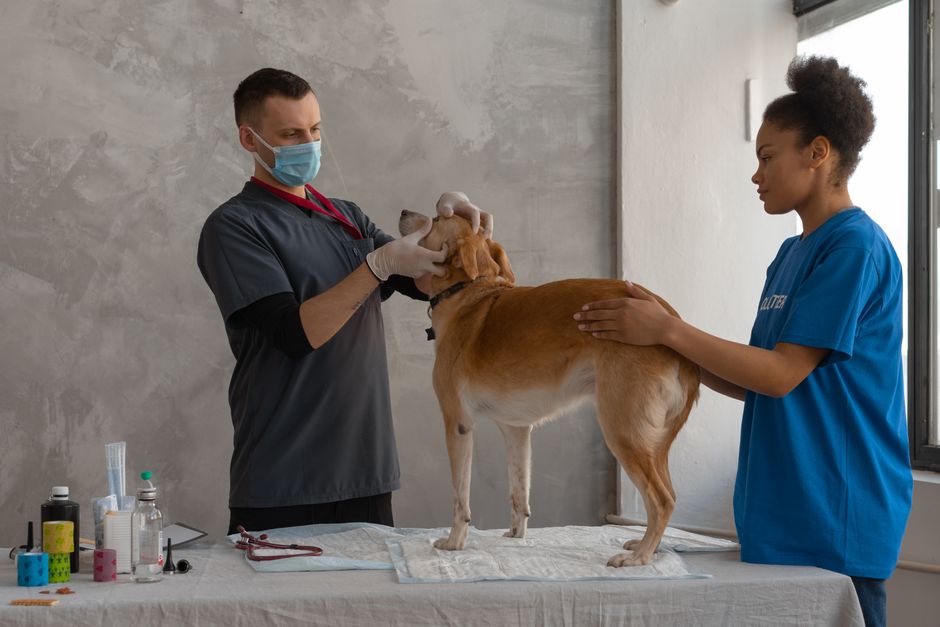
A thorough pet exam for an exotic animal at our Newtown clinic begins with a detailed discussion of your pet’s husbandry, diet, and daily routine. Our veterinarians may ask about recent changes in appetite, droppings, behavior, or environment. This conversation helps us understand your animal’s baseline and spot subtle changes that could indicate a brewing issue.
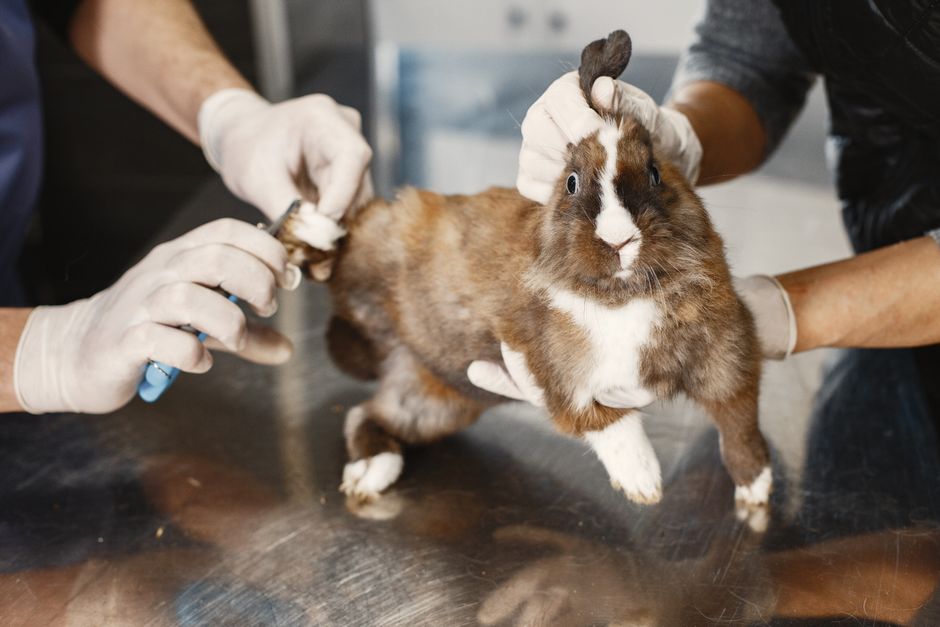
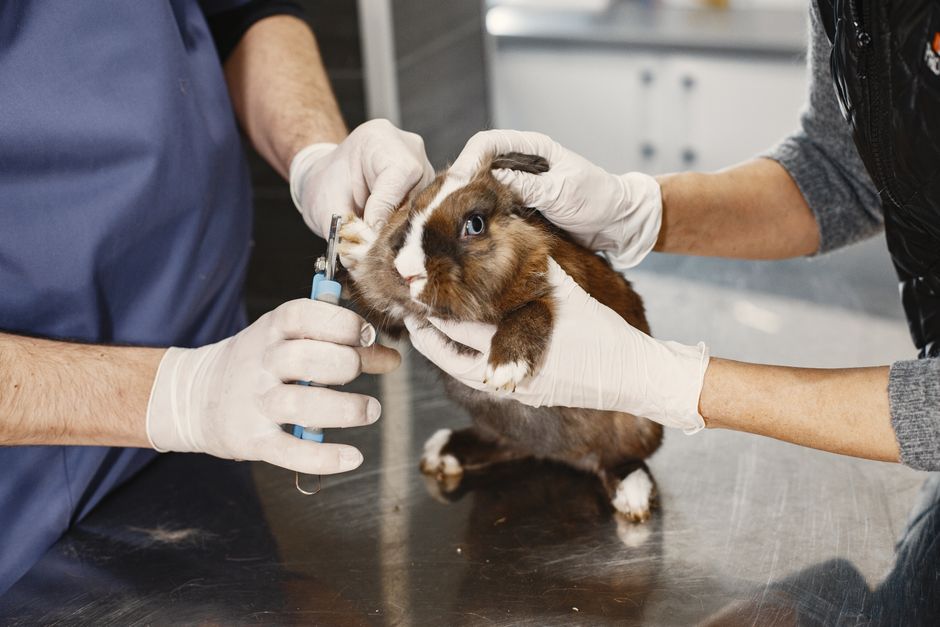
Physical examination is the next step, where our veterinary team gently observes your animal’s posture, alertness, and general condition. For birds, we examine the beak, feathers, feet, wings, and vent area, while also checking for signs of mites or abnormalities. For small mammals, we look at the teeth, eyes, ears, skin, and check for lumps or overgrown nails. Vital signs such as weight, heart rate, and respiratory rate are recorded, providing benchmarks for future visits.
Diagnostics form a crucial part of many exotic pet exams. Depending on your animal’s condition and species, our veterinarians may recommend in-house bloodwork, fecal testing for parasites, or imaging such as digital radiology to check for internal problems. These advanced tools are available right here in Newtown, minimizing stress and allowing for rapid results. If your companion needs specialized testing, our diagnostic laboratory services page provides additional information about what to expect.
Vaccinations and parasite control are discussed as appropriate, though not all exotic species require the same immunizations as dogs or cats. For example, ferrets are vaccinated for distemper and rabies, while most birds and rodents do not require routine vaccines but benefit from regular health screenings.
The Importance of Preventive Care and Home Habits
Consistent preventive care is the foundation of a healthy life for your exotic animal. Scheduling regular pet exams allows our veterinarians to track your pet’s health over time, building a comprehensive record that helps us catch small changes before they become serious. This proactive approach is especially important for exotic species, where rapid declines can occur once symptoms become noticeable.
At home, supporting your pet’s health involves providing a balanced diet specific to their species. For birds, offering a variety of fresh vegetables and high-quality pellets alongside seeds helps prevent nutritional deficiencies. Rabbits and guinea pigs need unlimited hay, daily fresh greens, and species-appropriate vitamin C supplementation. Clean water, safe toys, and proper enclosure hygiene reduce the risk of infections and behavioral problems.
Environmental enrichment is equally important. Birds thrive with opportunities for flight, foraging, and social interaction, while small mammals benefit from tunnels, hides, and chew toys. Monitoring your pet’s activity level, weight, and droppings provides valuable clues about their wellbeing. If you notice any changes, contacting our veterinary team promptly can make a significant difference.
Our exotic medicine services offer in-depth guidance on husbandry and enrichment, ensuring your unique companion receives the care they deserve.
When to Seek Veterinary Care for Your Exotic Animal
Recognizing when to seek professional help can be life-saving for exotic pets. Because these animals often hide symptoms until illness is advanced, any change from their normal behavior or appearance should prompt a call to your veterinarian. While annual exams are essential, you should also schedule a visit if your bird or small mammal experiences difficulty breathing, persistent diarrhea, vomiting, wounds, or sudden weakness. For birds, additional urgent signs include feather loss, bleeding, or inability to perch.
Small mammals showing signs such as overgrown teeth, swelling, labored breathing, or a sudden drop in activity require prompt evaluation. If you’re ever unsure whether your pet’s symptoms are serious, it is always safer to err on the side of caution and contact our clinic.
For urgent cases during business hours, Pet Town Veterinary offers same-day emergency care for exotic pets, ensuring your companion receives timely, species-appropriate treatment. Further details can be found on our emergency veterinary care page.
Why Choose Pet Town Veterinary for Your Exotic Pet Exam
Providing excellent care for exotic species requires advanced training, specialized equipment, and a deep understanding of each animal’s unique needs. At Pet Town Veterinary, our team of veterinarians in Newtown has extensive experience with birds, rabbits, guinea pigs, ferrets, and other small mammals. We recognize that every exotic pet is different, and our approach is always tailored to your animal’s individual requirements.
Our state-of-the-art facility is equipped to handle everything from routine pet exams to advanced diagnostics and urgent care, all in a welcoming environment that prioritizes both your animal’s comfort and your peace of mind. Whether you live in Newtown or a nearby community, you can trust our veterinary professionals to be your partner in your exotic companion’s health.
Take the Next Step: Schedule Your Exotic Pet Exam Today
Your exotic pet deserves dedicated, knowledgeable care that safeguards their wellbeing at every stage. If you are searching for a veterinarian near me who truly understands the needs of birds and small mammals, Pet Town Veterinary is here to help. Our compassionate team invites you to schedule a pet exam at our 56 Church Hill Rd, Newtown, CT 06470 clinic, where we serve Newtown and the surrounding communities with exceptional exotic animal medicine.
To book your companion’s next checkup or discuss any concerns, please call (203)-304-9040. You can also explore our comprehensive pet exam services for more information about what to expect during your visit. Our veterinarians are dedicated to helping your unique pet live a long, healthy, and happy life.
Exotic animal medicine is complex, and nothing replaces the value of a professional pet exam. If you have questions or notice changes in your bird or small mammal, reach out today—your companion’s health and happiness are our top priorities.
This article is intended for informational purposes only and does not replace the need for professional veterinary care. If you are concerned about your exotic pet’s health, please schedule an appointment with a qualified veterinarian.