How a Pet Exam Helps Exotic Animals Stay Healthy
How a Pet Exam Helps Exotic Animals Stay Healthy
Exotic animals such as birds, reptiles, and small mammals bring unique joy and fascination to many households in Newtown, CT and surrounding communities. However, their specialized needs and subtle health signals often leave owners worried about missing early warning signs of illness. At Pet Town Veterinary, our team of veterinarians understands that keeping your exotic companion healthy requires more than just love and attentive care at home. A comprehensive pet exam is essential to catching health issues early and supporting your animal’s wellbeing—especially as summer brings seasonal changes and new risks. In this blog, we’ll explore how a pet exam for exotic species helps safeguard their health, what to expect during your visit at our state-of-the-art facility at 56 Church Hill Rd, Newtown, CT 06470, and why regular checkups are a vital part of responsible exotic animal ownership. If you’re seeking a practice experienced in exotic care, our veterinary team is here to provide the expertise and support your unique animal deserves.
Recognizing When Your Exotic Animal Needs a Pet Exam
Because exotic animals often hide signs of illness until a condition becomes advanced, it’s important for owners to be vigilant and proactive. Birds may appear fluffed up, less talkative, or display changes in droppings. Reptiles could show reduced appetite, abnormal shedding, or changes in skin color. Small mammals like rabbits, guinea pigs, or ferrets might become lethargic, lose weight, or develop changes in grooming behavior. Even minor shifts in activity, eating habits, or temperament can signal underlying health issues. The reality is that many exotic species, by instinct, mask discomfort to avoid appearing vulnerable in the wild. This makes regular wellness evaluations even more critical for early detection.
Seasonal changes can also influence your exotic animal’s health. Hot, humid Connecticut summers increase the risk of dehydration, heat stress, and certain infections, while changes in household routines during vacation months can disrupt feeding or social interaction. If you notice any changes in your animal’s routine or physical appearance, or if your exotic companion seems “off” for more than a day, it’s wise to schedule a pet exam promptly. Our veterinary professionals can help determine whether these changes are benign or require medical attention.
Curious about what a wellness check involves for exotic species? We invite you to learn more about our comprehensive pet exam services, designed specifically to address the unique needs of birds, reptiles, and small mammals.
Why Exotic Animals Need Specialized Veterinary Exams
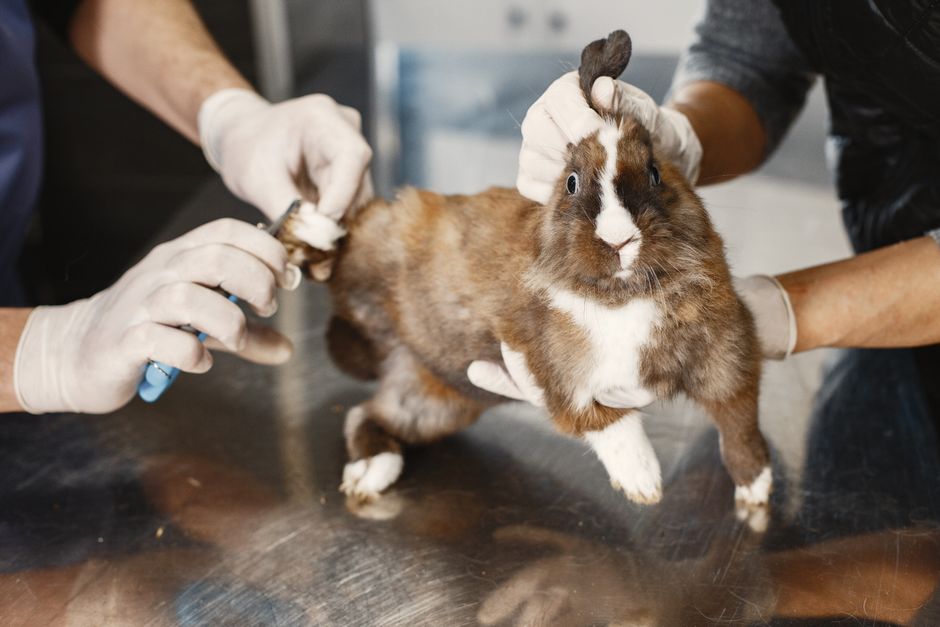
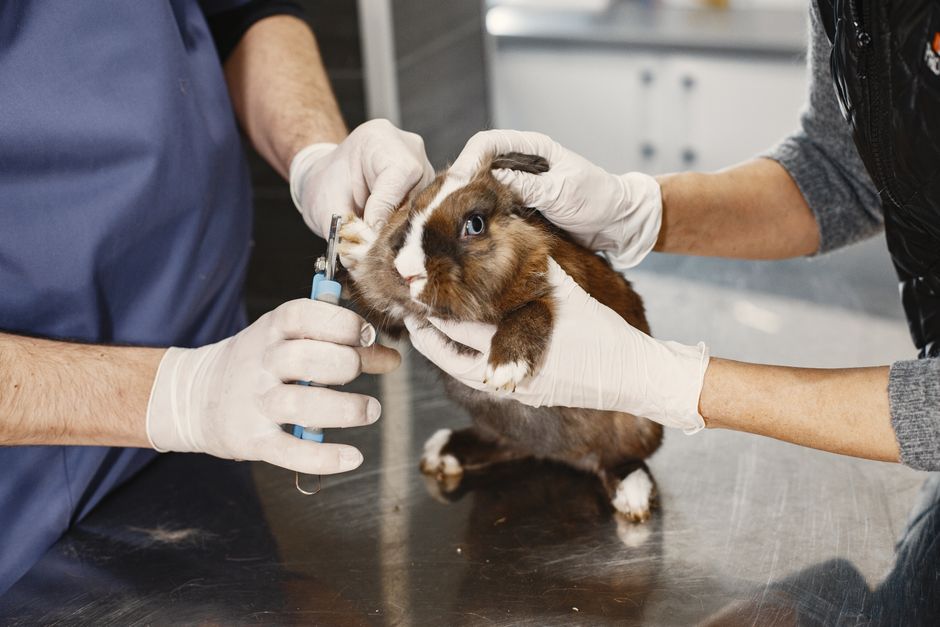
Exotic species differ significantly from dogs and cats in anatomy, physiology, and behavior. This means that a pet exam for a bird, reptile, or small mammal is uniquely tailored to their needs. For example, birds require close examination of feathers, beak, and respiratory system, while reptiles may need evaluation of skin, scales, and environmental parameters such as temperature and humidity. Small mammals often benefit from dental checks and careful palpation for subtle lumps or swellings.
Many exotic illnesses progress rapidly or display vague symptoms. Conditions such as metabolic bone disease in reptiles, respiratory infections in birds, or dental disease in rabbits can be difficult to detect in the early stages without a professional veterinary assessment. The environmental factors in your home—such as cage setup, diet, temperature, humidity, and lighting—also play a pivotal role in your animal’s health. During a pet exam at Pet Town Veterinary, our veterinarians will review your animal’s living conditions, diet, and husbandry practices, offering guidance tailored to your species and individual animal.
What Happens During an Exotic Pet Exam at Pet Town Veterinary
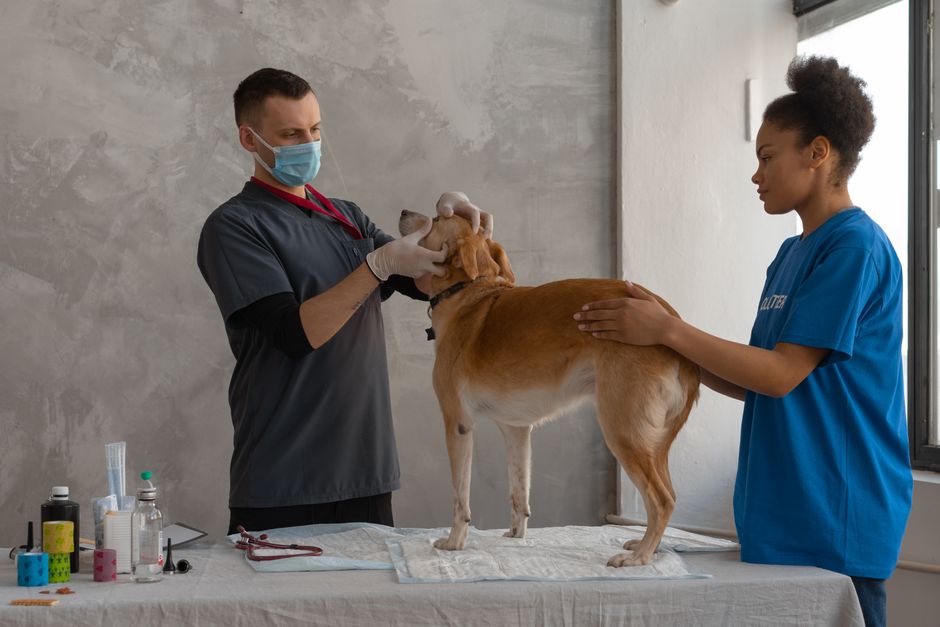
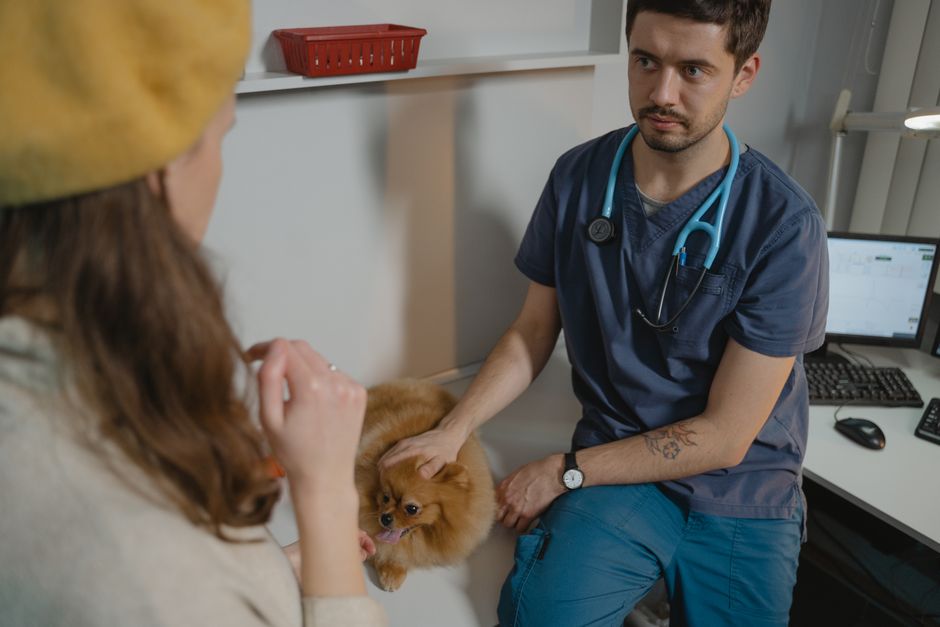
When you bring your exotic animal for a pet exam at our Newtown clinic, you’ll be welcomed by a team of veterinary professionals experienced in exotic medicine. The appointment typically begins with a detailed history, where we ask about your animal’s diet, habitat, recent behavior, and any concerns you may have noticed. This is followed by a thorough physical examination, which may include weighing your animal, assessing hydration, examining skin or feathers, checking eyes and ears, and palpating the abdomen for abnormalities.
Depending on your animal’s species and health status, our veterinarians may recommend further diagnostics. Diagnostic options include in-house bloodwork, fecal analysis, X-rays, or other imaging, all available at our state-of-the-art facility. These tools enable early detection of underlying conditions such as organ dysfunction, parasites, or bone abnormalities. To learn more about our advanced diagnostic capabilities, we encourage you to visit our pet diagnostic lab services.
For exotic animals, stress reduction during the exam is a priority. Our team is trained to handle birds, reptiles, and small mammals gently and efficiently, minimizing handling time and using species-appropriate restraint techniques. We are happy to discuss strategies with you to make transport and visits as comfortable as possible for your animal.
Preventive Care and Home Strategies for Exotic Animal Health
Consistent preventive care is key to helping exotic animals live long, healthy lives. Scheduling routine pet exams—at least once a year for most species, or more frequently for aging or high-risk animals—allows our veterinarians to identify subtle health changes before they become serious. Alongside professional exams, good home husbandry practices play a major role in supporting your exotic companion’s health.
For birds, providing a balanced diet, a spacious and clean cage, and regular opportunities for mental stimulation are critical. Monitoring droppings, maintaining proper humidity, and avoiding exposure to household toxins such as scented candles or aerosol sprays are also important. Reptile owners should focus on correct temperature gradients, UVB lighting, clean water, and species-specific diets. For small mammals, ensuring a clean habitat, providing appropriate chew toys to support dental health, and offering a varied diet with plenty of fiber help prevent common health issues.
If you have questions about the best care practices for your animal, our veterinarians can provide tailored advice during your pet exam. You can also explore our exotic medicine services to discover how we support the unique needs of birds, reptiles, and small mammals.
When to Seek Immediate Veterinary Care for Exotic Animals
While routine pet exams are essential for prevention, some signs in exotic animals signal the need for urgent veterinary attention. Warning signs to watch for include sudden loss of appetite, labored breathing, severe lethargy, persistent vomiting or diarrhea, bleeding, or inability to stand or move normally. Birds that are fluffed up and not moving, reptiles that become unresponsive, or small mammals with sudden neurological changes should all be seen by a veterinarian as soon as possible.
Delaying care for exotic animals can result in rapid deterioration due to their small size and unique physiology. If you are ever unsure whether your animal’s symptoms are serious, it is safer to err on the side of caution and seek guidance from a veterinary professional. Our team at Pet Town Veterinary offers same-day emergency care for exotic species during regular business hours; simply call our office to let us know you are on your way, and we will prepare to assist your animal promptly.
Why Choose Pet Town Veterinary for Your Exotic Animal’s Care
At Pet Town Veterinary, our veterinarians are passionate about providing expert care for exotic species in Newtown, CT and surrounding communities. We invest in ongoing training and advanced equipment to ensure that birds, reptiles, and small mammals receive the highest standard of medicine. Our state-of-the-art facility is designed with your unique companion’s comfort and safety in mind, and our veterinary team is always available to answer your questions, provide husbandry guidance, and offer compassionate support.
Whether you’re bringing your bird for an annual wellness check, seeking help for a sick reptile, or looking to establish preventive care for your new small mammal, we are here to help every step of the way.
Schedule Your Exotic Animal’s Pet Exam in Newtown, CT
Protecting the health of your exotic animal starts with proactive veterinary care. A pet exam offers peace of mind, early detection of illness, and personalized advice to help your unique companion thrive—especially during the busy summer months. If you are searching for a veterinarian near me who is experienced with birds, reptiles, or small mammals, Pet Town Veterinary is your trusted local resource.
To schedule a pet exam or discuss your exotic animal’s health, contact our Newtown, CT location today at (203)-304-9040. You can also learn more about our comprehensive pet exam services or explore our expertise in exotic animal medicine. Our veterinary professionals are committed to supporting the health and wellbeing of your exotic companion, ensuring many more happy and healthy years together.