May Health Concerns for Exotic Pets in Newtown
May Health Concerns for Exotic Pets in Newtown
Spring is a time of renewal and growth in Newtown, CT, but for exotic pet owners, it can also bring a unique set of health concerns for birds and small mammals. As the days get longer and temperatures rise, changes in your home environment and outdoor conditions can have a direct impact on your exotic companions. At Pet Town Veterinary, located at 56 Church Hill Rd, Newtown, CT 06470, our team of veterinarians is dedicated to helping you recognize, prevent, and address the seasonal issues that may affect your bird or small mammal this May.
In this blog, we will explore the most common springtime health challenges for exotic pets, including subtle early warning signs that are easy to miss. You'll learn why these problems tend to crop up in May, how to support your pet's well-being at home, and when a professional veterinary assessment is crucial. Whether you are caring for a cockatiel, rabbit, guinea pig, parrot, or another unique species, our goal is to provide you with the knowledge and confidence needed to help your exotic pet thrive all season long. If you ever have concerns, our team is here to support you with comprehensive exotic veterinary care right in Newtown and surrounding communities.
Recognizing Spring Health Issues in Birds and Small Mammals
Springtime brings a mix of environmental factors that can affect exotic pets in subtle and sometimes serious ways. For birds, signs of illness often include changes in droppings, reduced singing or vocalization, fluffing up feathers, or sitting quietly at the bottom of the cage. With small mammals such as rabbits, guinea pigs, or ferrets, you may notice decreased appetite, lethargy, changes in grooming behavior, watery eyes, sneezing, or signs of digestive upset.
Subtle behavioral changes are often the first indication that something is wrong. For instance, a normally social parakeet may become withdrawn, or a rabbit that enthusiastically greets you at feeding time might seem less interested in food or interaction. Other early signs can include increased scratching, minor breathing changes, or evidence of mites or external parasites. If your exotic pet is housed near an open window or has increased outdoor exposure, watch closely for any changes in energy levels or respiratory health.
Many exotic species instinctively hide illness, so even mild changes should prompt closer observation. If you are unsure whether your bird's molting is normal or your guinea pig's sneezing is seasonal, a wellness examination with our veterinary professionals can provide peace of mind and early intervention if needed.
Why Do Exotic Pets Face More Health Risks in May?
Seasonal health issues in exotic pets often arise due to fluctuations in temperature, humidity, light cycles, and increased exposure to allergens or infectious agents. In Newtown, May typically brings higher pollen counts, unpredictable weather, and greater variation between daytime and nighttime temperatures. Birds and small mammals are especially sensitive to drafts, sudden temperature swings, or mold and dust that accumulate as homes are aired out after winter.
For birds, natural breeding behaviors may increase in spring, leading to higher stress levels, risk of egg binding, or changes in appetite and activity. Additionally, the transition to brighter, longer days can disrupt normal routines and challenge your bird's immune system. Small mammals like rabbits and guinea pigs may experience respiratory flare-ups as they breathe in more dust or pollen, or as their enclosures are cleaned more frequently and perhaps moved closer to open windows.
Mites, fleas, and other external parasites also become more active as the weather warms. Even strictly indoor pets are not immune, as parasites can be brought in on clothing, other animals, or through open doors and windows. For small mammals, gastrointestinal disturbances are common in spring, especially if dietary changes coincide with the availability of fresh greens or if environmental stressors are present.
Veterinary Diagnosis and Treatment for Spring Health Concerns
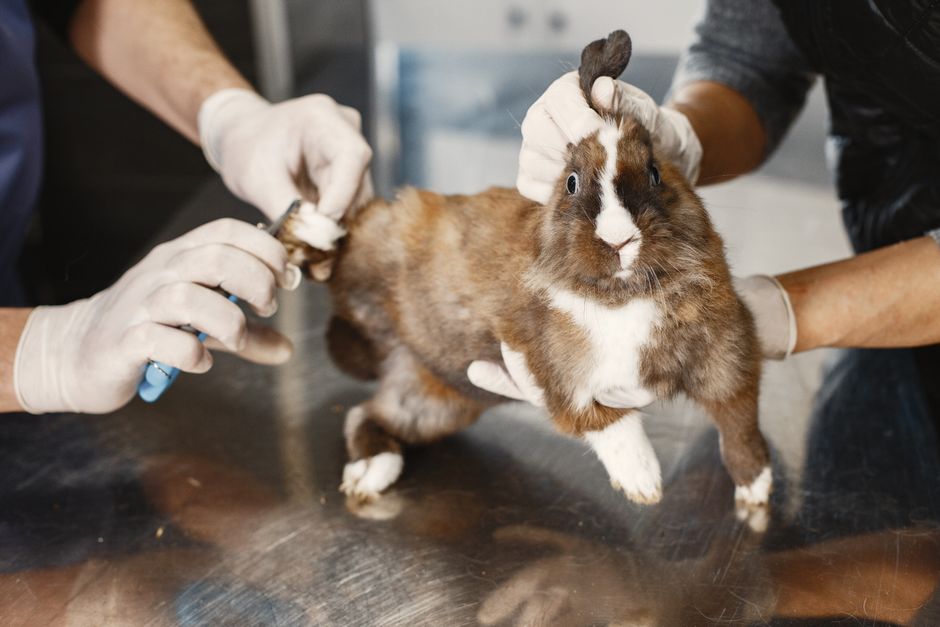
When your exotic pet shows signs of illness in May, timely diagnosis and intervention can make a significant difference. At Pet Town Veterinary, our team uses a combination of observational assessment, in-house diagnostic testing, and species-specific examination techniques to uncover even subtle issues. For birds, a physical exam may reveal early signs of respiratory illness, feather disorders, or reproductive problems. For small mammals, our veterinarians look for dental issues, digestive disturbances, and skin or coat abnormalities.
Diagnostic options available at our pet diagnostic lab include blood work, fecal testing for parasites, and imaging when needed. Treatment approaches depend on the species and specific condition. For respiratory infections, antibiotics or antifungals may be prescribed, along with supportive care such as nebulization or environmental modifications. Digestive issues in rabbits or guinea pigs are addressed with dietary adjustments, fluid therapy, and sometimes probiotics. Parasitic infestations are treated with safe, species-appropriate medications and recommendations for environmental control.
Reproductive issues such as egg binding in birds are treated as emergencies and may require gentle intervention, calcium supplementation, or, rarely, surgical support. Pain management, careful monitoring, and ongoing communication with our veterinary team are important components of every treatment plan.
Throughout the process, we prioritize gentle handling and stress minimization, recognizing that exotic pets are often more sensitive to change and human interaction than dogs or cats. Our state-of-the-art facility is equipped to provide a calm, safe environment for birds and small mammals needing specialized care.
Preventing May Health Problems in Exotic Pets
Prevention is always preferable to treatment, especially with exotic species that are prone to rapid health declines. At home, focus on maintaining a consistent environment for your exotic pet. Ensure temperature and humidity levels remain stable, and avoid placing cages or enclosures near drafty windows or doors. Use air purifiers or frequent cleaning to reduce dust and pollen exposure, but avoid strong cleaning chemicals or scented products that may irritate sensitive respiratory systems.
Dietary consistency is critical for small mammals; sudden changes in greens or treats should be avoided. Introduce any new foods gradually, keeping a close eye on stool quality and appetite. For birds, ensure they have access to appropriate lighting, and consider using full-spectrum bulbs if natural sunlight is limited. Regular cage cleaning, fresh bedding, and careful monitoring for signs of mites or external parasites are also essential preventive steps.
Scheduling a wellness examination with our veterinary team each spring helps catch subtle changes before they become serious. Our veterinarians can assess your exotic pet's body condition, discuss environmental or dietary adjustments, and provide guidance on parasite prevention and reproductive health.
Other preventive strategies include keeping your exotic pet's living area away from household plants that may be toxic, using window screens to prevent accidental escapes, and ensuring all family members understand the importance of gentle handling and observation.
When to Seek Veterinary Care for Your Exotic Pet
It can be difficult to determine when a minor change is a sign of a serious problem in exotic pets. If you notice a sudden loss of appetite, labored breathing, persistent sneezing, diarrhea, abnormal droppings, or lethargy, contact our veterinary professionals immediately. Egg binding, severe lethargy, collapse, or uncontrolled bleeding are always emergencies and require prompt attention.
If your bird or small mammal seems off but is still eating and active, err on the side of caution and schedule an appointment for a veterinary assessment. Our team at Pet Town Veterinary is experienced in the nuances of exotic pet health and can provide guidance on whether immediate intervention is needed or if watchful waiting is safe.
Remember, exotic pets often hide illness until it becomes advanced. Timely veterinary care can make the difference between a quick recovery and a more serious outcome. In cases of urgent concern, our facility offers same-day emergency services, so you never have to wait and worry.
Helping Exotic Pets Thrive This Spring in Newtown
Spring in Newtown brings both joy and challenges for exotic pet owners. By staying alert to early warning signs, creating a stable, healthy environment, and partnering with knowledgeable veterinary professionals, you can help your bird or small mammal enjoy a safe and vibrant season. Our team at Pet Town Veterinary is committed to providing compassionate, comprehensive care tailored to the unique needs of exotic species.
If you have questions about your exotic pet's health, want to schedule a seasonal checkup, or notice any worrisome symptoms, we encourage you to reach out. Our veterinary team is here to support you with individualized advice and advanced diagnostics. When you are searching for a veterinarian near me who truly understands exotic pets, Pet Town Veterinary stands ready to help.
To learn more about our exotic medicine services or to schedule an appointment for your bird or small mammal, please call us at (203)-304-9040 or visit us at 56 Church Hill Rd, Newtown, CT 06470. With proactive care and expert support, your exotic pets can thrive all spring and beyond.
This blog is intended for informational purposes only and should not replace professional veterinary advice. Please consult our veterinary team for specific medical guidance regarding your exotic pet’s health.