Spring Wellness Tips for Exotic Pets in Newtown

Spring Wellness Tips for Exotic Pets in Newtown
As the days grow warmer and the first signs of spring appear in Newtown, exotic pet owners face unique opportunities and challenges in keeping their birds, reptiles, and small mammals healthy. Springtime brings fresh air and renewed activity for your exotic companions, but also introduces seasonal hazards and husbandry needs that differ from those of cats and dogs. At Pet Town Veterinary, located at 56 Church Hill Rd, Newtown, CT 06470, our veterinary team is dedicated to supporting the special requirements of exotic pets. In this guide, you’ll find expert spring wellness tips, learn about common springtime risks, and discover how our state-of-the-art facility helps your exotic species thrive all season long.
We recognize the bond you share with your exotic pet, whether that’s a cockatiel, bearded dragon, rabbit, or ferret. As you prepare for the season’s changes, this blog will address how to spot seasonal health concerns in exotics, understand the causes behind springtime issues, explore professional veterinary care options, and implement effective home strategies. You’ll also find guidance on when a visit to our clinic is the best choice for your pet’s health. For more information about our specialized care for birds and small mammals, you can learn about our exotic veterinary services.
Recognizing Springtime Health Concerns in Exotic Pets
Spring can be a time of heightened activity and change for exotic species, but it also marks a period when certain health problems become more noticeable. Recognizing the early signs of trouble can make all the difference in your pet’s wellbeing. Exotic animals often mask symptoms, so subtle shifts in behavior or appearance can be important clues.
For birds, warning signs may include sneezing, nasal discharge, feather loss, decreased vocalization, or changes in droppings. Small mammals, such as rabbits and guinea pigs, may develop watery eyes, reduced appetite, or changes in stool quality. Reptiles might display abnormal shedding, lethargy, or swelling of the eyes. Additionally, all exotic species can experience increased stress during seasonal transitions, which may manifest as hiding, aggression, or changes in activity level.
If your exotic pet seems less energetic, refuses favorite foods, develops discharge from the eyes or nose, or begins displaying new behavioral patterns, it’s important to take these signs seriously. Early intervention can prevent minor issues from becoming major health problems.
Why Spring Presents Unique Challenges for Exotics
As temperatures rise and daylight increases, exotic pets undergo physiological and behavioral changes. Many species are sensitive to fluctuations in temperature, humidity, and light cycles. For example, birds may begin molting or breeding behaviors, while reptiles may become more active or initiate shedding cycles. Small mammals might react to pollen or changes in household routines as families spend more time outdoors.
Environmental allergens, such as pollen and dust, can irritate the respiratory system of birds and small mammals. Reptiles can be affected by changes in humidity if enclosures are not properly maintained. Additionally, opening windows for fresh air sometimes exposes pets to drafts or sudden temperature fluctuations, which can be stressful or even dangerous for temperature-sensitive species.
Spring cleaning and household projects also introduce risks. Cleaning products, air fresheners, and fumes from paint or new furniture can be toxic for exotic pets. Many houseplants and flowers brought indoors for the season are hazardous if ingested. Small mammals and birds are notorious for chewing on unfamiliar objects, so it’s vital to keep their environment safe.
Outdoor time, while enriching for some exotics, must be carefully supervised. Direct sunlight, predators, and exposure to unfamiliar bacteria or parasites can pose significant risks. Even a brief escape can lead to injury or illness, given how specialized the care needs of these species can be.
Professional Veterinary Care: Supporting Exotic Health at Pet Town Veterinary
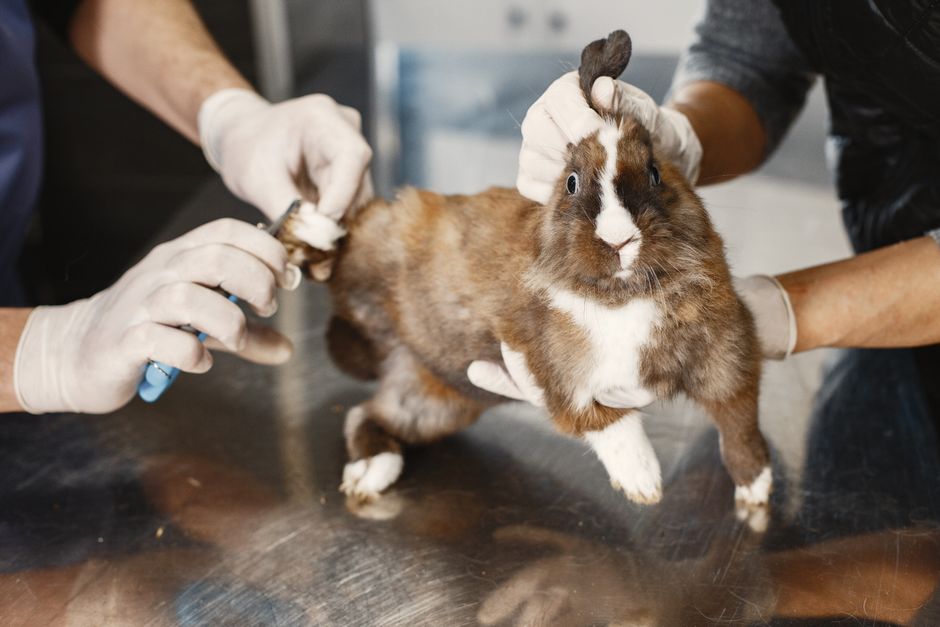
At Pet Town Veterinary, our team of veterinarians is trained in the unique needs of exotic species. We understand that birds, reptiles, and small mammals each require species-specific examination techniques, diagnostics, and treatment protocols. During a spring wellness visit, we conduct a thorough physical examination tailored to your pet’s anatomy and behavior. This may include weighing your animal, assessing feather or fur quality, evaluating body condition, and examining eyes, ears, and nares for signs of seasonal issues.
For birds, we may recommend routine bloodwork to screen for underlying infections or nutritional imbalances, especially if there are changes in molting or behavior. Small mammals benefit from dental checks, as overgrown teeth can lead to appetite loss and digestive upset. Reptiles require careful examination of their skin and shell, as well as review of enclosure humidity and temperature settings to prevent shedding or metabolic disorders.
Our state-of-the-art diagnostic equipment allows us to quickly and accurately identify the source of any symptoms. Digital radiology, in-house lab testing, and advanced imaging options mean you don’t have to wait long for answers. If a health concern is identified, treatment approaches may involve prescription medications, dietary adjustments, or guidance on environmental modifications. We are committed to providing ongoing support, monitoring, and education for all exotic pet owners in Newtown and the surrounding communities.
For a comprehensive overview of our exotic veterinary services, including wellness exams and advanced diagnostics for birds and small mammals, visit our page on exotic medicine.
Home Care and Prevention: Keeping Exotic Pets Healthy This Spring
Effective home care is the foundation of exotic pet health, especially during the changing conditions of spring. Start by reviewing your pet’s enclosure or habitat to ensure it provides stable temperature and humidity, even as outdoor conditions shift. For reptiles, check that heat lamps and humidity sources are functioning properly and that any basking spots are safe and accessible. Birds should have clean cages free from drafts and away from open windows where pollen or outdoor contaminants can enter. Small mammals need fresh bedding, appropriate chew toys, and protection from household chemicals.
Diet plays a crucial role in seasonal wellness. Spring is a time when some birds and small mammals naturally increase their food intake due to reproductive cycles or increased activity. Ensure your pet is receiving a balanced diet, with fresh greens and species-appropriate supplements. Avoid giving unfamiliar plants or garden cuttings, as many common household and outdoor plants are toxic to exotic animals.
Enrichment is vital for mental and physical health. Introduce new toys, perches, or hiding places to stimulate natural behaviors. Supervised outdoor time is possible for some species, but only in secure, predator-proof enclosures and under direct observation. Always monitor your pet for signs of overheating, escape attempts, or exposure to harmful substances.
Regular cleaning of cages, terrariums, and accessories reduces the risk of respiratory and skin infections. Use pet-safe disinfectants and avoid strong fumes. Wash your hands before and after handling your exotic pet, especially during spring cleaning or gardening, to prevent transferring allergens or chemicals.
When to Schedule a Veterinary Visit for Your Exotic Pet
Knowing when to seek professional help is essential for exotic pet owners. If your bird, reptile, or small mammal shows signs of illness such as persistent sneezing, nasal or ocular discharge, loss of appetite, abnormal droppings, difficulty breathing, or sudden changes in behavior, it is time to schedule an appointment. Other warning signs include feather loss, abnormal shedding, swelling, or unexplained weight loss.
Seasonal transitions can worsen chronic conditions or reveal underlying health problems. If your exotic pet has a history of respiratory disease, allergies, or metabolic disorders, a spring check-up is especially important. Additionally, if you notice symptoms after introducing new foods, toys, or environmental changes, consult with our veterinary team promptly.
Our veterinarians are equipped to diagnose and treat a wide range of exotic pet conditions. We also offer same-day emergency services for urgent health concerns. Remember, exotic animals can deteriorate rapidly, so do not delay seeking care if you notice any concerning symptoms.
For those searching for an "exotic vet near me," Pet Town Veterinary in Newtown provides accessible, compassionate care tailored to the needs of birds, reptiles, and small mammals.
Keeping Exotic Pets Thriving All Spring in Newtown
Spring is a season of renewal and growth, but it also brings challenges for exotic pet owners. By staying alert to subtle changes in your animal’s behavior, maintaining a safe and enriched environment, and seeking regular veterinary care, you can help your exotic pet thrive. Our team of veterinarians at Pet Town Veterinary is dedicated to supporting you every step of the way, from wellness exams to urgent care.
If you have questions about your exotic pet’s spring health or want to schedule a wellness check, contact us at (203)-304-9040 or visit us at 56 Church Hill Rd, Newtown, CT 06470. You can also read more about our exotic veterinary services online. We encourage you to book an appointment with our veterinary team for personalized care and advice this spring.
When searching for a veterinarian near me who understands exotic pets, trust in our expertise, compassion, and commitment to excellence. Your exotic companion deserves the best in every season, and we are here to help them flourish in Newtown and beyond.