Spring Pet Parasite Prevention Tips for Newtown Owners

Spring Pet Parasite Prevention Tips for Newtown Owners
As winter gives way to Newtown’s warmer, greener days, spring brings new adventures for your pets , and new risks from parasites like fleas, ticks, and worms. If you’re a pet parent in Newtown or the surrounding communities, you may already be wondering how to keep your dog, cat, or even your exotic companion safe as April’s temperatures rise. At Pet Town Veterinary, located on 56 Church Hill Rd, Newtown, CT 06470, our team of veterinarians helps local families anticipate these seasonal health threats. In this blog, you’ll discover why spring is such a critical time for parasite prevention, how to spot warning signs early, and what steps you can take to protect your pets , whether they’re covered in fur, feathers, or scales.
We’ll break down which parasites are most common in Newtown during spring, how they target both indoor and outdoor pets, and which prevention strategies work best for dogs, cats, and exotics. You’ll also learn when to schedule a wellness examination or diagnostic test, and how to take action if you suspect your pet may already be affected. By the end of this guide, you’ll feel empowered to keep your pet healthy and happy all season long.
How to Recognize Springtime Parasite Problems in Your Pet
Spring is prime time for parasites, and the signs aren’t always obvious at first. Whether your dog is sniffing through the woods, your cat is sunbathing on the porch, or your exotic pet is exploring a freshly cleaned habitat, the increased activity of fleas, ticks, and worms means that vigilance is key.
Key symptoms of a parasite problem include excessive scratching or biting at the skin, areas of redness or hair loss, small dark specks in your pet’s fur, or tiny bumps you might feel during a cuddle session , all of which can point toward fleas or ticks. For intestinal parasites like roundworms or hookworms, watch for subtle changes, such as a dull coat, weight loss, bloating, vomiting, or diarrhea. Some pets may become lethargic or lose their appetite. In exotics like rabbits or reptiles, signs can be even harder to spot and may include a sudden change in droppings, reduced energy, or unexplained weight loss.
It’s important to remember that not every pet will show clear symptoms right away. For example, heartworm disease in dogs and cats can progress quietly for months before any warning signs appear. For this reason, preventive screenings and regular wellness visits become even more important as spring arrives in Newtown.
Why Parasites Thrive in Newtown’s Springtime Environment
Understanding why parasites become such a risk in spring starts with the local climate. As temperatures climb above freezing and humidity increases, flea and tick populations surge in parks, wooded areas, and even backyards throughout Newtown and surrounding communities. These parasites thrive in tall grass, leaf litter, and shaded gardens, waiting for an unsuspecting pet to pass by.
Fleas are quick to jump from wildlife or other animals onto your pet, rapidly reproducing in your home if not addressed. Ticks, common in the wooded regions around Newtown, attach to skin and can transmit diseases like Lyme or ehrlichiosis. Heartworms, spread by mosquitoes, become a bigger threat as standing water and early spring rains create breeding grounds across Connecticut.
Indoor pets are not immune, as fleas and ticks can hitch a ride on your shoes or clothing. Exotic pets, while less likely to pick up ticks, can still be exposed to mites or worms from contaminated bedding, food, or other animals in the household.
Local wildlife activity also increases in spring, bringing foxes, raccoons, and rodents closer to homes and yards. These animals are frequent carriers of parasites, raising the risk for pets who spend time outdoors or share a yard.
Professional Treatment and Prevention Options at Pet Town Veterinary
At Pet Town Veterinary, our approach to parasite prevention is tailored to the needs of each pet, whether they are a playful puppy, an indoor-only cat, or a rare exotic companion. During your visit, our veterinary professionals will review your pet’s lifestyle, environment, and medical history to recommend the most effective and safe prevention plan.
For dogs and cats, parasite prevention often involves a combination of prescription oral or topical products that protect against fleas, ticks, and heartworm. These treatments are selected based on your pet’s weight, age, and health status, ensuring maximum protection with minimal risk. For pets who spend more time outdoors or travel into wooded areas, we may recommend additional tick control strategies tailored to the local environment in Newtown.
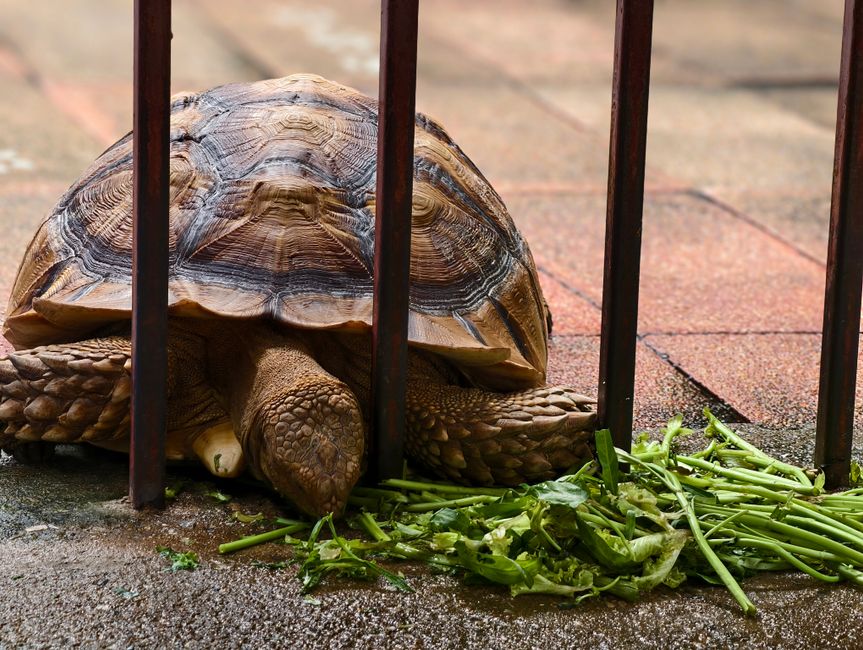
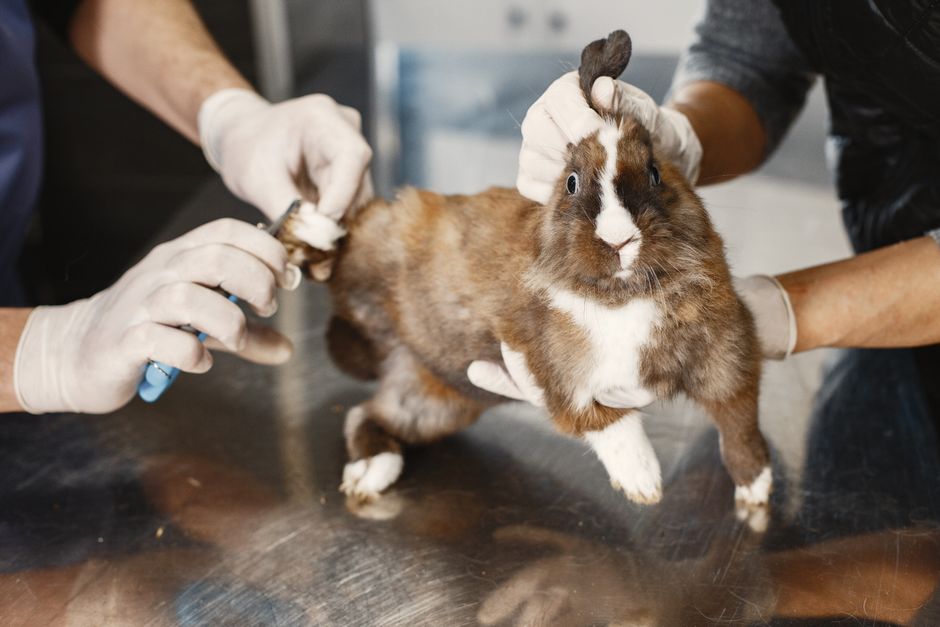
Our team also offers heartworm testing services, which are essential before starting certain preventives. For cats, even those who never go outside, routine parasite prevention remains important since mosquitoes can enter homes and transmit heartworm. Exotic pets require a specialized approach; for example, birds and small mammals may need regular mite checks, and reptiles might benefit from screening for internal parasites.
If you are concerned that your pet may already be affected, our in-house pet diagnostic laboratory allows for fast, accurate identification of parasites through fecal exams, skin scrapings, or bloodwork. This means we can create a targeted treatment plan and help your pet start feeling better as quickly as possible.
Practical Steps for Springtime Parasite Prevention at Home
Protecting your pet from parasites this spring is a team effort that starts at home. Keeping your yard tidy by mowing the lawn and removing piles of leaves or brush reduces flea and tick habitats. Regularly washing your pet’s bedding in hot water, vacuuming carpets and upholstery, and checking your pet’s coat after outdoor adventures all help catch problems early.
For dogs and cats, monthly parasite prevention medications are your best line of defense. These products can prevent infestations before they start and are far easier than trying to treat an established problem. Remember to administer these treatments on schedule; missing a dose, even in early spring, can leave your pet vulnerable.
Check your pet’s skin and ears for any signs of fleas or ticks after walks or playtime outside, especially if exploring areas with high grass or woods. Remove any ticks you find with fine-tipped tweezers, grasping close to the skin and pulling steadily. If you’re unsure how to do this safely, our veterinarians can demonstrate proper removal techniques during a wellness examination.
For exotic pets, prevention involves keeping enclosures clean, monitoring for changes in droppings or appetite, and sourcing food and bedding from reputable suppliers to reduce the risk of introducing parasites. If you notice anything unusual, a prompt checkup with an experienced exotic animal veterinarian is the best course of action.
When to Schedule a Veterinary Visit for Parasite Concerns
Knowing when to seek professional veterinary care can make all the difference for your pet’s health. If you notice excessive scratching, visible fleas or ticks, unexplained weight loss, persistent vomiting or diarrhea, or any sudden change in your pet’s behavior, it’s time to reach out to your local veterinary team.
Even if your pet seems healthy, spring is the ideal time to schedule a preventive wellness examination and parasite screening. These visits allow our veterinarians to detect hidden problems, update your pet’s prevention plan, and address any questions you may have about seasonal risks in Newtown. For pets with chronic health conditions or those new to your household, prompt testing and preventive care are especially important.
Delaying treatment can allow parasites to multiply or transmit diseases, increasing the risk of more serious health issues for your pet and even your family. If you’re ever unsure whether your pet’s symptoms require immediate attention, our veterinary professionals are here to help you decide on the next steps.
Protect Your Pet This Spring: Schedule with Pet Town Veterinary
Spring brings the promise of outdoor fun and fresh beginnings, but it also means renewed risks from parasites in Newtown and the surrounding areas. Taking the right steps now can spare your pet unnecessary discomfort and prevent long-term health problems. From routine prevention to expert diagnostics and tailored treatment plans, Pet Town Veterinary is your trusted partner in keeping pets of all shapes and sizes healthy.
If you’re searching for a reliable "vet near me" in Newtown, know that our experienced veterinarians are ready to support you this season. Schedule a spring checkup, ask about our parasite prevention options, or bring your pet in for a wellness examination to ensure they are protected. Our convenient location at 56 Church Hill Rd, Newtown, CT 06470 and extended weekday hours make it easy to fit quality veterinary care into your busy spring schedule.
To book an appointment or ask our veterinary team for advice, call us at (203)-304-9040 or visit our website at pettownvet.com. Your pet’s health and comfort are our top priorities, and we look forward to helping your family enjoy a safe and happy spring together.
This blog is for informational purposes only and is not a substitute for professional veterinary advice. Always consult your veterinarian for personalized care recommendations.