Pet Ultrasound Diagnostics: What Newtown Owners Should Know

Pet Ultrasound Diagnostics: What Newtown Owners Should Know
As a loving pet owner in Newtown, CT, you want the very best when it comes to your pet’s health. Whether you share your home with a playful puppy, a curious cat, or an exotic companion, understanding the tools available for diagnosing health concerns is essential. One of the most advanced and noninvasive options is pet ultrasound diagnostics. At Pet Town Veterinary, located conveniently at 56 Church Hill Rd, Newtown, CT 06470, our compassionate veterinary professionals use ultrasound technology to provide answers when your pet is facing unexplained symptoms. In this blog, we’ll explore how pet ultrasound diagnostics work, when they are recommended, and how this technology can make a difference for pets throughout Newtown and surrounding communities. We’ll also help you recognize when an ultrasound might be the right step for your pet and explain what to expect during your visit to our state-of-the-art facility. For further details on our ultrasound services, you can visit our veterinary ultrasound services for pets in Newtown, CT page.
Understanding When Your Pet May Need Ultrasound Diagnostics
It’s natural to feel worried when your pet starts acting differently or displays unusual symptoms. Pet ultrasound diagnostics are often recommended when your veterinarian needs a closer look inside your pet’s body, beyond what can be found during a physical examination or even with standard X-rays. Common scenarios that may prompt your veterinarian to suggest an ultrasound include persistent vomiting, unexplained weight loss, changes in urination or bowel movements, or the presence of a lump or swelling. Other warning signs are ongoing abdominal discomfort, difficulty breathing, or unexplained lethargy. For exotic pets, subtle changes such as decreased activity, loss of appetite, or abnormal droppings can also be reasons to consider diagnostic imaging.
Pet ultrasound diagnostics are especially valuable because they provide real-time images of internal organs such as the liver, kidneys, bladder, spleen, and heart. If your pet has symptoms that are not easily explained or if a condition is not improving with initial treatment, an ultrasound can offer important answers and help guide the next steps for care. Our comprehensive pet exam services often identify situations where further imaging is needed, ensuring your pet’s health is always our top priority.
How Pet Ultrasound Diagnostics Work
Ultrasound imaging is a safe, noninvasive technology that uses high-frequency sound waves to create detailed images of your pet’s internal structures. During a pet ultrasound diagnostic procedure, a specially trained veterinary professional will gently move a small handheld device, called a transducer, over the area of your pet’s body that needs examination. This process is painless and does not expose your pet to any radiation.
The ultrasound images allow our veterinarians to observe the size, shape, and texture of organs in real time, as well as to detect fluid accumulation, abnormal growths, or other changes that might not be visible with X-rays alone. Unlike X-rays, which are best at visualizing bones and dense tissues, ultrasound is particularly useful for evaluating soft tissues and organs. At Pet Town Veterinary, our facility is equipped with advanced imaging technology, allowing us to see details that can be crucial for accurate diagnosis and timely treatment.
Common Reasons for Ultrasound in Dogs, Cats, and Exotic Pets
There are many health conditions where pet ultrasound diagnostics can be invaluable. In dogs and cats, ultrasounds are frequently used to investigate unexplained vomiting, diarrhea, or weight loss. They are also important for checking the health of the liver, kidneys, and bladder, especially if bloodwork or urine tests suggest a problem. Reproductive health concerns, such as pregnancy confirmation or complications, can be addressed with ultrasound as well. Additionally, if your pet has a heart murmur or signs of heart disease, an ultrasound (echocardiogram) helps assess heart function and structure.
For exotic pets, including rabbits, guinea pigs, reptiles, and birds, ultrasound may be recommended for issues such as egg-binding, abdominal masses, or unexplained changes in behavior or appetite. Because these species often hide illness until it becomes advanced, prompt imaging can be lifesaving. Our veterinary care services for exotic pets are tailored to meet the unique needs of these special companions, ensuring they receive the same high standard of diagnostic care.
What to Expect During Your Pet’s Ultrasound Visit
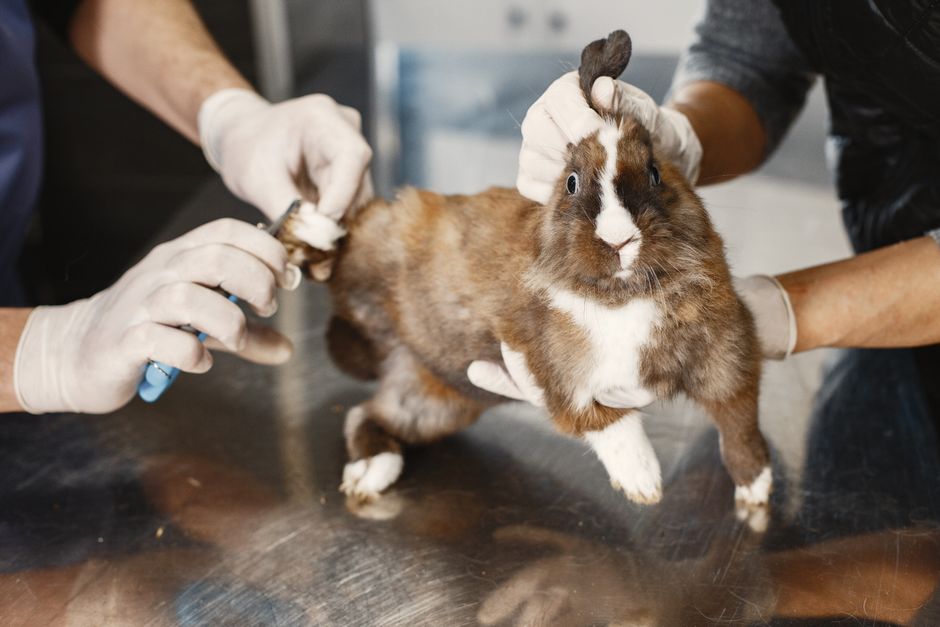
When your pet is scheduled for an ultrasound at Pet Town Veterinary, you can expect a calm and supportive environment. The procedure is typically performed with your pet lying comfortably on a padded table. In most cases, light restraint is all that’s needed, and sedation is rarely required unless your pet is especially anxious or the ultrasound is complex. The area to be imaged may be shaved to allow for clearer images.
The transducer is moved gently over your pet’s skin while the veterinarian watches the images develop on a monitor. Depending on the reason for the ultrasound, the procedure can take anywhere from 20 to 60 minutes. Throughout the entire process, our veterinary professionals prioritize your pet’s comfort and safety. Once the imaging is complete, your veterinarian will discuss the findings with you and explain the next steps, whether that is further testing, medical management, or simply monitoring at home.
The Benefits of Pet Ultrasound Diagnostics for Early and Accurate Diagnosis
Ultrasound diagnostics offer several advantages for pets in Newtown and surrounding communities. One of the primary benefits is the ability to make early and accurate diagnoses, which can significantly improve your pet’s prognosis and quality of life. Because ultrasound provides a real-time view of what’s happening inside your pet’s body, our veterinarians can quickly identify problems such as tumors, cysts, organ enlargement, or blockages.
In situations where surgery may be required, ultrasound helps our veterinary team plan procedures more safely and effectively. Additionally, because the procedure is noninvasive, recovery time is minimal, and your pet can usually return home the same day. Our commitment to advanced diagnostics allows us to offer prompt answers and peace of mind to pet owners who are concerned about their animal’s health.
How Pet Ultrasound Works with Other Diagnostic Tools
While pet ultrasound diagnostics are powerful, they are often used alongside other diagnostic tools to get a complete picture of your pet’s health. For example, if your veterinarian finds an abnormality during an ultrasound, further tests such as bloodwork, urine analysis, or even digital radiology may be recommended. Our in-house pet diagnostic laboratory services and digital radiology services allow us to provide a full spectrum of care under one roof, reducing wait times and ensuring your pet receives timely, coordinated treatment.
By combining information from ultrasound with laboratory tests and other imaging, our veterinarians can develop a comprehensive treatment plan that is tailored to your pet’s unique needs. This integrated approach helps us address health concerns quickly and accurately, minimizing stress for both you and your pet.
Preventive Care and the Role of Routine Exams
While ultrasounds are often used to investigate specific symptoms, they can also be part of a proactive approach to your pet’s health. Regular wellness exams provide an opportunity for our veterinarians to detect subtle changes early, sometimes before symptoms even appear. Preventive care, including routine bloodwork and imaging when indicated, is especially important for senior pets or those with chronic health conditions.
Maintaining a schedule of wellness visits and being attentive to changes in your pet’s behavior or appearance can help catch health issues before they become serious. If you notice anything unusual in your pet, such as decreased appetite, unexplained weight loss, or changes in energy level, scheduling a comprehensive examination can provide valuable peace of mind.
When to Schedule Pet Ultrasound Diagnostics
It can be difficult to know when advanced diagnostics like ultrasound are necessary. You should consider scheduling an appointment if your pet is experiencing ongoing vomiting or diarrhea that does not improve, unexplained weight loss, persistent coughing, or signs of abdominal pain such as restlessness or reluctance to eat. Other reasons to consult your veterinarian include difficulty breathing, changes in urination or defecation, or the discovery of a mass or swelling.
At Pet Town Veterinary, our veterinarians will guide you through the decision-making process, explaining when an ultrasound is appropriate and what information it can provide. Our goal is always to offer the least invasive yet most effective approach for diagnosing and treating your pet’s condition.
Supporting Your Pet Before and After an Ultrasound
To ensure the best possible results from a pet ultrasound diagnostic procedure, your veterinarian may provide specific instructions regarding fasting or medication. In most cases, you will be asked to withhold food for several hours before the appointment, although water can usually be offered. After the ultrasound, your pet can typically resume normal activities unless your veterinarian recommends otherwise.
If sedation is needed for your pet’s comfort, our team will discuss any special care instructions for the hours following the procedure. We are here to address any questions you may have, providing clear guidance for at-home care and follow-up.
The Importance of Professional Veterinary Guidance
While online resources can provide helpful background, only a trained veterinary professional can determine when pet ultrasound diagnostics are necessary and interpret the results accurately. Attempting to diagnose or treat a suspected health issue at home can delay essential care and may put your pet at risk. Always consult your veterinarian if your pet is showing concerning symptoms or if you are unsure whether an ultrasound or other diagnostic test is needed.
Our team at Pet Town Veterinary is well-versed in the unique needs of dogs, cats, and exotic pets, and we are committed to providing clear communication and support every step of the way. Your pet’s health and wellbeing are our highest priorities.
Schedule Your Pet’s Ultrasound in Newtown, CT
If you have noticed changes in your pet’s behavior or health, or if your veterinarian has suggested further testing, pet ultrasound diagnostics may be the next step to getting the answers you need. At Pet Town Veterinary, our advanced imaging technology and experienced veterinary professionals ensure your pet receives the highest quality care in a comfortable, compassionate environment.
When searching for a veterinarian near me in Newtown or the surrounding areas, trust our team to deliver expert diagnostics and personalized treatment plans tailored to your pet’s unique needs. To schedule an appointment or learn more about our ultrasound services, please call us at (203)-304-9040 or visit us at 56 Church Hill Rd, Newtown, CT 06470. For more information about our veterinary ultrasound services in Newtown, explore our veterinary ultrasound services for pets in Newtown, CT page. Your pet’s health is our passion, and we are here to support you every step of the way with trusted, comprehensive care.
This blog is intended for informational purposes only and should not be considered a substitute for professional veterinary advice. If your pet is experiencing symptoms or you have concerns about their health, please schedule an appointment with your veterinarian.