Common Cold Weather Pet Health Problems in Newtown

Common Cold Weather Pet Health Problems in Newtown
As winter lingers into March here in Newtown, many pet owners find themselves concerned about their pets’ wellbeing in the chilly weather. Whether you have an active dog who loves snowy walks, a snuggly indoor cat, or a unique exotic companion, cold temperatures can pose health risks that aren’t always obvious. At Pet Town Veterinary, our team of veterinarians understands how local climate changes can impact pets of all kinds, and we’re here to help you recognize, prevent, and address common cold weather health problems. In this blog, we’ll explore the most frequent cold-related issues we see in cats, dogs, and exotic pets, how to spot them, and what steps you can take to keep your pet comfortable and healthy. We’ll also share advice tailored to Newtown and surrounding communities, so you and your pet are prepared for anything this season brings. If you ever have concerns about your pet’s health, remember you can always schedule an appointment with our veterinary team at our state-of-the-art facility at 56 Church Hill Rd, Newtown, CT 06470, or reach our friendly staff at (203)-304-9040.
Recognizing Signs of Cold Weather Health Issues in Pets
Understanding how your pet reacts to colder temperatures is the first step in protecting them from seasonal health issues. Each species and breed responds differently, and individual health conditions or age can make certain animals more vulnerable. For dogs and cats, signs of cold stress may include shivering, reluctance to go outside, seeking warm places in the house, or even limping if their paws are affected by ice or salt. In more severe cases, symptoms such as lethargy, pale gums, or disorientation could indicate hypothermia or frostbite.
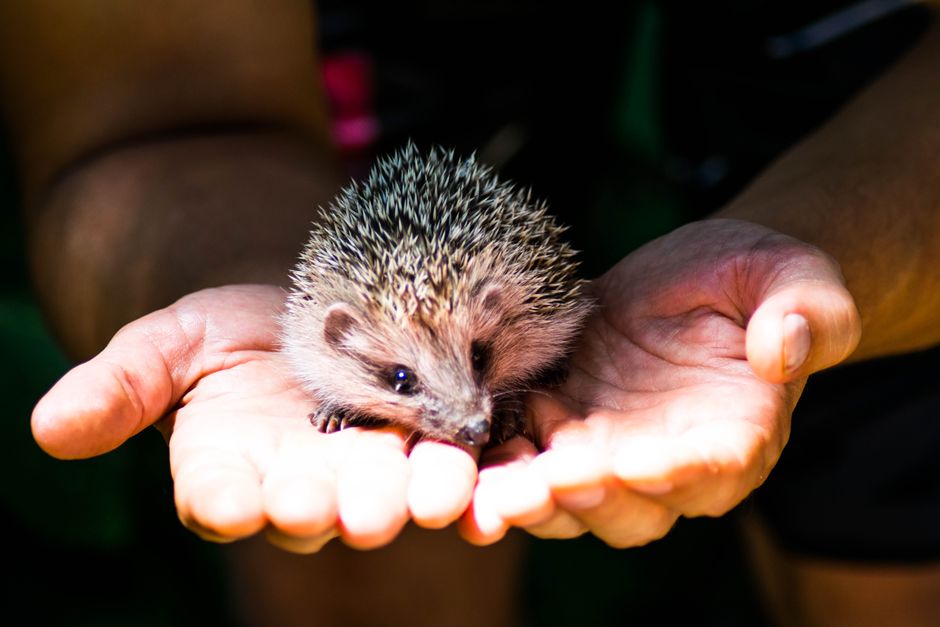
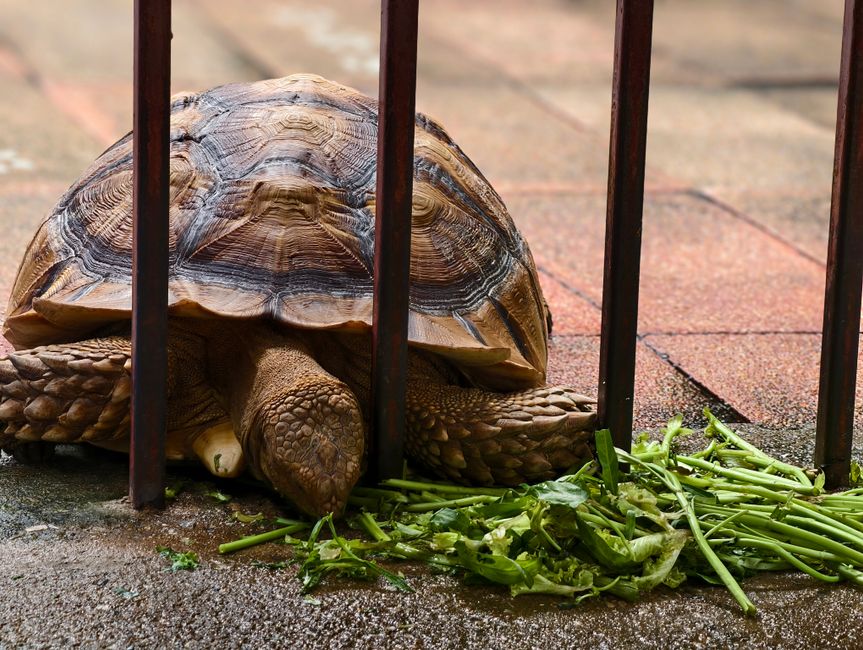
Exotic pets, like birds, reptiles, and small mammals, can also struggle with drops in temperature. Signs to watch for in these animals include decreased activity, changes in appetite, puffed-up feathers in birds, or unusual hiding behavior. Exotic species often have more specific temperature and humidity needs, and even mild cold spells can disrupt their wellbeing.
Cats and dogs with chronic conditions such as arthritis may show increased stiffness or discomfort during cold snaps. You might notice your older dog struggling to get up after a nap, or your cat being less willing to jump or climb. These subtle changes can be easily overlooked, but they are important indicators that your pet may not be coping well with the weather.
Why Cold Weather Causes Health Problems for Newtown’s Pets
The chilly Newtown climate brings a unique set of challenges for pets. For many animals, exposure to cold air, snow, and ice can lead to conditions like hypothermia or frostbite. Hypothermia occurs when a pet’s body temperature drops below normal. This is especially dangerous for short-haired breeds, puppies, kittens, senior pets, and those with underlying health problems. Frostbite typically affects the ears, tail, and paws, where the skin is more exposed and blood flow is reduced in cold conditions.
For dogs and cats, chemicals used to melt ice—such as salt or antifreeze—can stick to paws or fur, leading to irritation or even poisoning if licked off. In addition, cold, dry air can worsen respiratory conditions, particularly in older pets or flat-faced breeds like Bulldogs or Persians.
Exotic pets are at even greater risk during cold weather, since many are adapted to warm, stable climates. Small mammals such as guinea pigs and rabbits can develop respiratory infections if their enclosures are too chilly, while reptiles require specific heat sources to maintain proper body function. Parrots and other birds may become stressed or ill if the ambient temperature drops below their comfort zone.
Even indoor pets aren’t immune to the effects of the cold. Drafty windows, unheated rooms, or a sudden loss of power can cause the temperature to drop inside your home, putting sensitive animals at risk.
Treatment and Management: How Our Veterinary Team Can Help
If your pet shows signs of cold-related illness, prompt action is essential. For issues like hypothermia or frostbite, our veterinary team at Pet Town Veterinary is equipped to provide immediate, comprehensive care. Treatment for hypothermia typically involves gradual rewarming, intravenous fluids, and monitoring vital signs. Our advanced pet diagnostic lab allows us to quickly assess your pet’s health, while our digital radiology and vet ultrasounds help us detect complications or underlying problems.
For mild cold stress or arthritis flare-ups, our veterinarians may recommend pain management, dietary adjustments, or supplements to support joint health. We also offer routine wellness examinations to identify early signs of seasonal health issues. These exams are an excellent opportunity to discuss your pet’s unique needs and create a winter wellness plan tailored to their age, breed, and lifestyle.
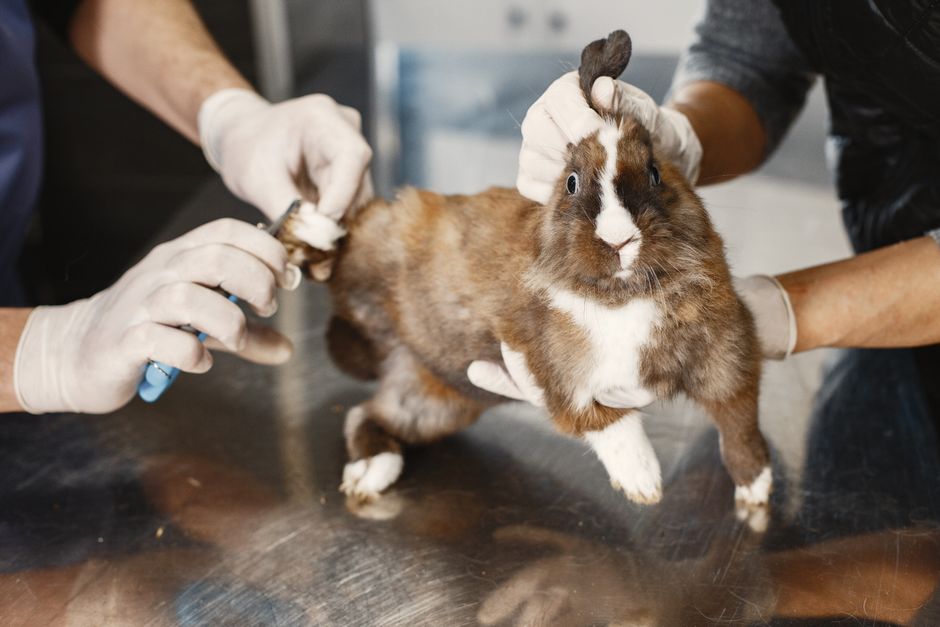
When it comes to exotic pets, our team is experienced in exotic medicine services for birds and small mammals. We can advise on proper enclosure heating, humidity, and nutrition to prevent cold-related problems, and we’re here to diagnose and treat any illness that arises.
Cold Weather Prevention: Keeping Your Pet Safe at Home
Prevention is always the best approach when it comes to protecting your pet from cold weather health issues. For dogs, limiting time outdoors during particularly cold or windy days, providing warm bedding, and using pet-safe booties or jackets can make a significant difference. After walks, it’s important to wipe your dog’s paws to remove ice, salt, or chemicals, reducing the risk of irritation or accidental ingestion.
Indoor cats benefit from cozy sleeping spots away from drafts and heated beds or pads specifically designed for pets. Encourage playtime and activity indoors to keep them physically and mentally engaged during the colder months. If your cat has arthritis or seems stiff, talk to our veterinarians about supportive care options; sometimes simple changes at home, such as providing ramps or soft bedding, can ease their discomfort.
For exotic pets, maintaining the proper environment is crucial. This involves monitoring temperature and humidity in enclosures, using heat lamps or pads as directed, and ensuring your pet always has access to fresh water and food. If you’re not sure whether your exotic pet’s setup meets their seasonal needs, our veterinary team can provide personalized recommendations during a wellness exam.
Regular pet vaccinations and preventive care are also vital, as cold weather can weaken immune systems and increase susceptibility to illness. Our team can help you stay up to date with your pet’s immunizations and overall health plan.
When to Seek Veterinary Care for Cold Weather Concerns
It’s not always easy to know when your pet’s winter woes require professional attention. If your dog, cat, or exotic animal shows persistent shivering, extreme lethargy, pale or bluish gums, or signs of pain after being outdoors, contact our veterinary team immediately. Sudden changes in appetite, breathing difficulties, or skin discoloration on the ears, nose, or paws are also warning signs that should not be ignored.
For pets with chronic health conditions, schedule a wellness examination if you notice any changes in mobility, behavior, or energy levels during the colder months. Our team can provide guidance on adjusting medications or home care routines to keep your pet comfortable. Exotic pets should be seen promptly if they become less active, stop eating, or exhibit unusual behavior, as these subtle signs can indicate serious health issues.
Remember that early intervention is key; pets can deteriorate quickly in cold weather, especially young, elderly, or medically fragile animals. Our state-of-the-art facility at 56 Church Hill Rd, Newtown, CT 06470 is equipped to provide both urgent and routine care, so you never have to worry about your pet’s wellbeing being left to chance.
Keeping Your Pet Healthy All Season: Schedule a Visit with Newtown’s Trusted Veterinary Team
As chilly March days continue in Newtown, being proactive about your pet’s cold weather health can prevent discomfort, illness, and emergencies. Watch for any signs of cold stress or unusual behavior, maintain a warm and safe home environment, and don’t hesitate to reach out for guidance or care. Our compassionate veterinary professionals at Pet Town Veterinary are here to support you, whether you need advice about your pet’s winter routine or require immediate medical attention.
If you’re searching for a reliable “vet near me” this season, our dedicated team offers comprehensive services for dogs, cats, and exotic pets in Newtown and surrounding communities. We encourage you to schedule an appointment for a seasonal wellness check, update your pet’s vaccinations, or consult with us about any cold weather concerns. You can reach us at (203)-304-9040 or visit us in person at 56 Church Hill Rd, Newtown, CT 06470.
Your pet’s health is our top priority, and we’re here to help you keep them safe, comfortable, and happy all winter long. For more information on seasonal pet care, or to book your next appointment, explore our wellness examination or pet vaccinations pages for additional guidance and support.
Disclaimer: This blog is intended for educational purposes only and does not replace professional veterinary advice. If you notice any signs of illness in your pet, please contact our veterinary team or schedule an appointment for a thorough examination. For more information about cold weather pet safety, you may also visit the American Veterinary Medical Association’s winter pet safety tips (external resource).