How To Spot Digestive Issues in Exotic Pets
How To Spot Digestive Issues in Exotic Pets
Digestive problems are a common but often misunderstood concern among exotic pet owners in Newtown and surrounding communities. Whether you share your home with a colorful parrot, a curious guinea pig, or a fascinating reptile, changes in appetite, droppings, or behavior can quickly become worrying. At Pet Town Veterinary, located at 56 Church Hill Rd, Newtown, CT 06470, our experienced veterinary team is here to help you recognize and respond to these subtle but important signs. Digestive issues in exotic pets can develop quickly—sometimes with little warning—so knowing what to look for is key to keeping your unique companion healthy and comfortable, especially during the warm summer months when stress and diet changes are more common.
In this article, we will explore the most common signs of digestive upset in birds, reptiles, and small mammals. You will learn what factors can lead to gastrointestinal problems, when to seek professional veterinary care, and practical home care tips to support your exotic animal’s digestive health. If you ever have concerns about your exotic companion, our team at Pet Town Veterinary offers comprehensive exotic medicine services as well as advanced diagnostics and same-day emergency appointments. Let’s dive into how you can spot and address digestive issues in your exotic pet.
Recognizing Digestive Problems in Exotic Pets
Exotic animals often hide signs of illness until problems have become serious. As a result, even subtle changes can be meaningful. For birds, you might notice changes in the color, consistency, or frequency of droppings. Healthy bird droppings typically have a green or brown solid portion, a white urate, and a clear liquid. If you see runny, discolored, or unusually foul-smelling droppings, or if your bird stops eating, fluffs up its feathers, or becomes lethargic, these may be early indications of gastrointestinal trouble.
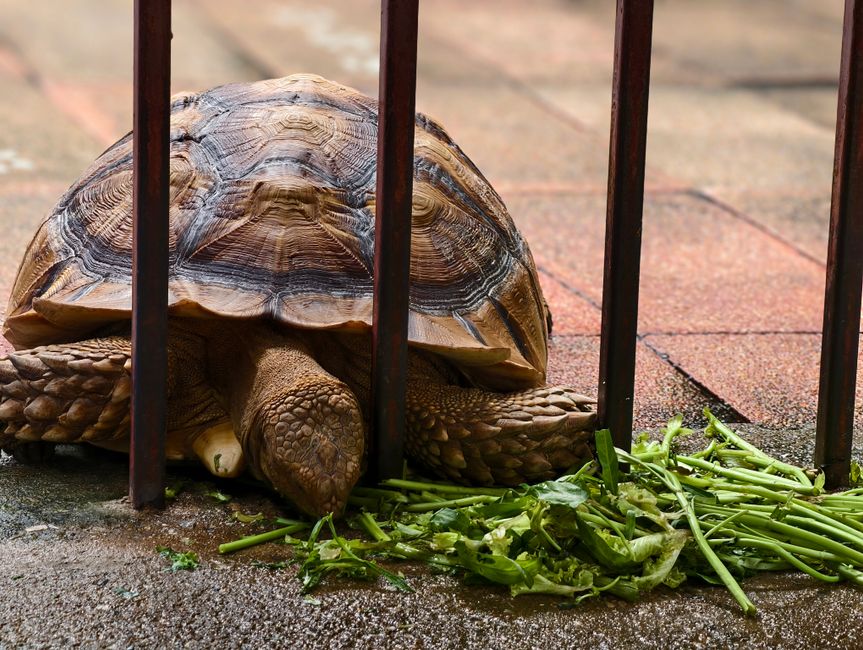
Reptiles, such as turtles, snakes, and lizards, can show digestive problems through reduced appetite, regurgitation, abnormal feces, or swelling of the abdomen. For example, a bearded dragon that refuses food for more than a few days or produces loose or bloody stool may be experiencing an underlying digestive disorder. Changes in basking behavior or reduced activity can also signal discomfort.
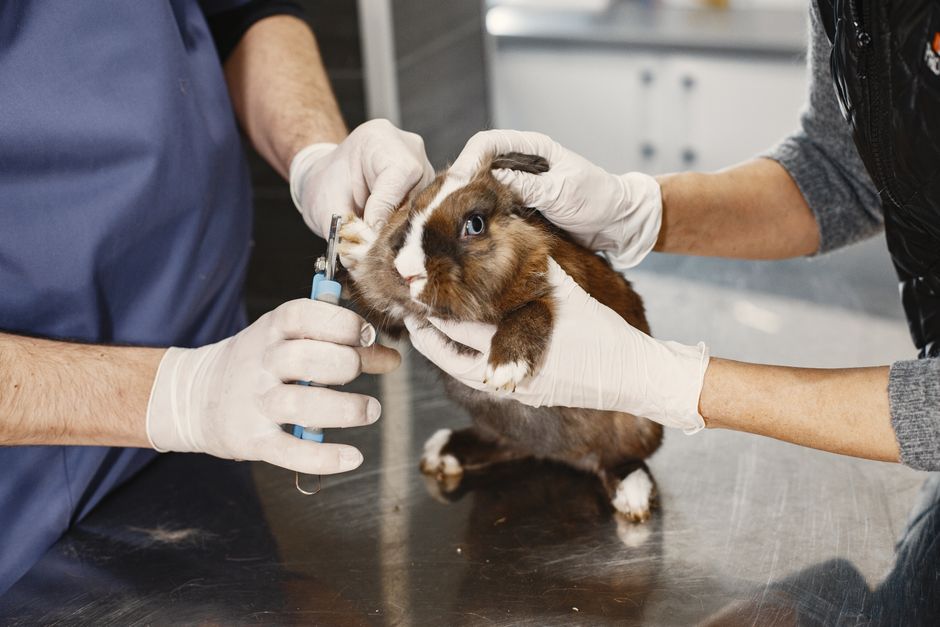
Small mammals—including rabbits, guinea pigs, hamsters, and ferrets—are especially prone to digestive upsets. Signs such as reduced appetite, smaller or fewer droppings, diarrhea, abnormal teeth grinding, hunched posture, or a bloated abdomen should raise concern. In rabbits and guinea pigs, gastrointestinal stasis (a slowdown of gut movement) is a life-threatening emergency if not addressed promptly.
It’s important to remember that each species has its own normal habits and appearance. Knowing what is typical for your exotic animal helps you spot problems early. If you ever feel uncertain, a wellness examination by an experienced exotic veterinarian is the best way to gain peace of mind.
What Causes Digestive Issues in Exotic Pets?
Digestive upsets in exotic animals can have many causes. Diet is often a primary factor. Birds may develop problems if fed a seed-only diet lacking in essential nutrients. Sudden changes in diet, contaminated food or water, or the introduction of new treats can also disrupt normal digestion.
Reptiles are particularly sensitive to temperature, humidity, and lighting in their environment. Inadequate heating or improper UVB lighting can slow digestion and lead to constipation or impaction. Feeding insects or prey that are too large, or offering food items that are not appropriately gut-loaded or dusted with vitamins, can also cause trouble. For herbivorous reptiles, low-fiber diets or unwashed greens may introduce harmful bacteria.
Small mammals, especially rabbits and guinea pigs, rely on a high-fiber diet to keep their digestive systems moving. Stress from environmental changes, lack of exercise, dental disease, or inappropriate foods (such as too many sugary treats) can quickly lead to gastrointestinal stasis or diarrhea. Other factors like parasites, bacterial or viral infections, and exposure to toxins can affect all exotic species.
Understanding the unique needs of your exotic pet is essential for prevention. Providing a stable environment, proper nutrition, and regular veterinary checkups forms the foundation for good digestive health.
Veterinary Diagnosis and Treatment for Exotic Digestive Disorders
When digestive issues arise, a prompt and thorough veterinary assessment is critical. At Pet Town Veterinary, our team uses a combination of physical examination, in-depth history, and advanced diagnostic tools to identify the underlying cause. A pet diagnostic lab in Newtown, CT allows us to run blood work, fecal analysis, X-rays, and other tests to get a complete picture of your exotic animal’s health.
Treatment approaches vary based on the species and the specific problem. For birds, supportive care may include fluid therapy, nutritional support, antibiotics, or antifungals if infection is detected. Crop stasis (a slowdown of food movement through the bird’s crop) may require gentle crop flushing and careful monitoring.
Reptiles with digestive problems often benefit from corrections to their habitat, such as improved heating or humidity, along with medications to address infections or parasites. In cases of impaction, gentle rehydration, warm soaks, and sometimes surgical intervention may be needed.
Small mammals experiencing gastrointestinal stasis require immediate, intensive care. This can include fluid therapy, pain management, careful hand-feeding of critical care diets, and medications to stimulate gut motility. Dental problems may need to be addressed simultaneously, as overgrown teeth can prevent proper chewing and digestion.
Throughout the treatment process, our veterinarians focus on minimizing stress and supporting your exotic animal’s recovery in a calm, comfortable environment. Early intervention is always preferable to waiting, as exotic pets can deteriorate rapidly.
Home Care and Preventive Tips for Digestive Health
Preventing digestive issues starts with the right environment and nutrition. For birds, offering a varied diet rich in pellets, fresh vegetables, and occasional fruits is essential. Ensure clean, fresh water is always available, and introduce new foods gradually to avoid upsetting their digestion.
Reptile owners should pay close attention to temperature gradients, basking spots, and humidity levels in the enclosure. Regularly check that your pet’s UVB lighting is functional and replaced according to manufacturer guidelines. Feed prey items that are appropriately sized and nutritionally balanced. For herbivores, offer a selection of clean, pesticide-free greens and monitor for any uneaten food that could spoil.
Small mammals like rabbits and guinea pigs thrive on unlimited grass hay, supplemented with fresh leafy greens and a limited amount of high-quality pellets. Avoid sudden dietary changes and sugary treats. Regularly check their teeth and droppings for changes, and provide plenty of opportunities for exercise and mental stimulation.
Regardless of species, regular wellness examinations with an experienced exotic veterinarian are an important part of preventive care. These visits allow early detection of subtle changes and provide an opportunity to discuss any concerns about your exotic animal’s diet or environment.
When to Contact Your Exotic Veterinarian
Some digestive problems in exotic pets can resolve with prompt home care and minor adjustments, but others require immediate veterinary attention. You should schedule an appointment with your exotic veterinarian if your bird, reptile, or small mammal has not eaten for more than 24 hours, is producing abnormal or no droppings, appears lethargic, or has visible swelling or pain in the abdomen. Diarrhea, blood in droppings, unexplained weight loss, persistent vomiting or regurgitation, or any signs of distress should also prompt a visit.
In rabbits and guinea pigs, a lack of droppings or refusal to eat, even for a short period, is a true emergency. Birds that are fluffed and not responding, or reptiles that are weak or unable to bask, may have advanced illness. Trust your instincts; if something seems off, it is always better to err on the side of caution.
At Pet Town Veterinary, our team offers emergency veterinary care for exotic pets with same-day appointments available during regular hours. Early intervention can make all the difference in recovery and outcome.
Supporting Your Exotic Pet’s Digestive Health in Every Season
Caring for an exotic animal requires attentive observation, a willingness to learn, and a partnership with a knowledgeable veterinary team. By recognizing the subtle signs of digestive upset, providing proper nutrition and environment, and seeking prompt veterinary care when needed, you help your bird, reptile, or small mammal thrive as a treasured companion.
If you are searching for a veterinarian near me who truly understands the needs of exotic pets, trust the team at Pet Town Veterinary. We are dedicated to supporting the health and happiness of every unique animal in Newtown and the surrounding communities. To schedule an appointment, discuss your concerns, or request a comprehensive exotic medicine consultation, contact us at (203)-304-9040 or visit us at 56 Church Hill Rd, Newtown, CT 06470. When it comes to the wellbeing of your exotic companion, our veterinary professionals are here to help every step of the way.