How To Prevent Obesity in Exotic Pets This Fall
How To Prevent Obesity in Exotic Pets This Fall
As September arrives and cooler, wetter weather settles over Newtown, many exotic pet owners notice changes in their birds, reptiles, and small mammals. With less time outdoors and shifts in routine, it’s surprisingly common for exotic pets to gain a little extra weight during the fall. At Pet Town Veterinary, located at 56 Church Hill Rd, Newtown, CT 06470, our team of veterinarians frequently sees concerns about weight management in parrots, rabbits, guinea pigs, bearded dragons, and other exotic species as the seasons change. This blog will help you recognize the early signs of weight gain, understand the unique risks for exotic animals, and provide simple, vet-approved strategies to keep your bird, reptile, or small mammal healthy and active all autumn. You’ll also learn when it’s time to schedule an appointment for a wellness examination or discuss tailored nutrition and activity plans with our experienced exotic medicine team.
Recognizing Obesity and Early Weight Gain in Exotic Pets
Obesity in exotic pets can be difficult to spot until it becomes a serious health problem. Many birds, reptiles, and small mammals hide extra weight under feathers, fur, or scales, making visual cues less obvious than in dogs or cats. Key symptoms of excess weight include a rounded or bulging body shape, decreased activity levels, and difficulty climbing or moving around the enclosure. In birds, you may notice that the breast area feels soft or puffy rather than firm, and flights become shorter or less frequent. For rabbits and guinea pigs, overgrown skin folds, reluctance to exercise, and trouble grooming themselves are common signs. Reptiles such as bearded dragons or leopard geckos might show thickened tails, sluggish movement, or have trouble fitting into hides or shelters they previously enjoyed.
Additionally, watch for subtle behavioral changes. Exotic pets that become less interested in exploring, playing, or interacting with you could be experiencing the discomfort of weight gain. Owners sometimes mistake these shifts for normal seasonal slowdowns, but even a small increase in body fat can lead to significant health risks for exotic species.
Why Does Obesity Happen in Exotic Pets During Fall?
Several factors contribute to fall weight gain in exotic pets. As the days grow shorter and temperatures drop in Newtown and surrounding communities, many owners naturally reduce their pets’ time outside or cut back on supervised play sessions. For birds and small mammals, this often means less exercise and more time spent in cages or enclosures. Reptiles, especially those kept indoors, may become less active if environmental temperatures are not carefully managed.
Diet also plays a major role. Seasonal treats such as extra seeds, fruits, or high-fat snacks can add up quickly. Owners may feel tempted to “reward” their rabbit, guinea pig, or bird with extra food as a comfort during gloomy weather. For reptiles, changes in light cycles or heat gradients can disrupt normal feeding patterns, sometimes leading to overfeeding if owners do not adjust portions accordingly.
Another common cause is misunderstanding appropriate calorie needs. Many exotic species have much lower energy requirements than dogs or cats, and even minor overfeeding can lead to significant weight gain over time. Without regular wellness examinations or professional body condition assessments, these changes can go unnoticed until they cause more serious health issues.
Health Risks of Obesity in Birds, Reptiles, and Small Mammals
Carrying extra weight is far more than a cosmetic concern for exotic pets. Obesity can lead to a host of medical problems, many of which are severe or even life-threatening if not addressed early. In birds, excess fat may cause fatty liver disease, difficulty breathing, and a reduced lifespan. Obese rabbits and guinea pigs are at increased risk for pododermatitis (sore hocks), arthritis, heart disease, and life-threatening gastrointestinal stasis. For reptiles, being overweight can lead to fatty liver syndrome, reproductive issues, and an increased risk of metabolic bone disease due to decreased mobility and poor calcium regulation.
These health risks often develop silently over months or years, making prevention and early detection essential. Regular monitoring and timely consultation with an exotic medicine veterinarian are the best ways to safeguard your animal’s health.
How Our Veterinary Team Diagnoses and Manages Exotic Pet Obesity
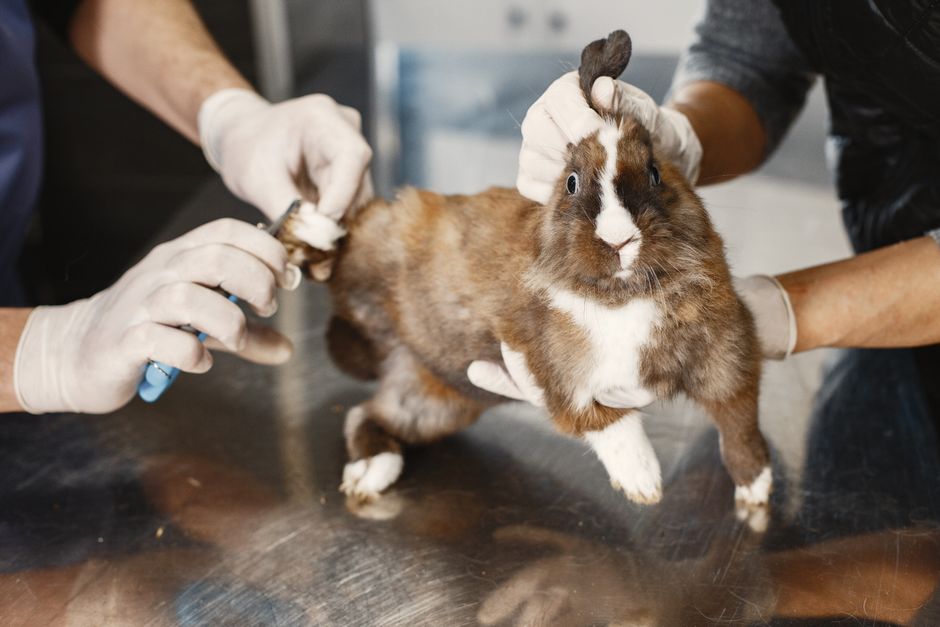
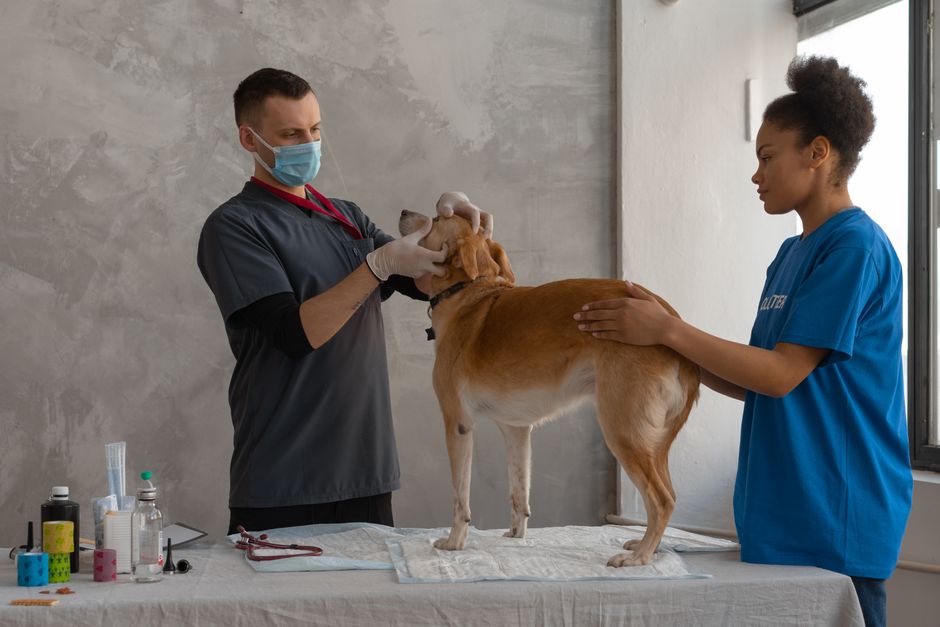
At Pet Town Veterinary, our approach to managing exotic pet obesity begins with a thorough medical evaluation. During your wellness examination, our veterinary professionals will assess your bird, reptile, or small mammal’s body condition using species-specific scoring systems. We may gently palpate key areas such as the chest, abdomen, or tail base to detect fat deposits and muscle tone. For some species, our team may recommend diagnostic tests available through our in-house laboratory to rule out underlying issues such as thyroid disease, liver dysfunction, or metabolic disorders that can complicate weight management.
If obesity or early weight gain is detected, we tailor a management plan to your animal’s unique needs. Treatment options might involve adjusting the diet to reduce high-calorie treats, increasing the proportion of fiber-rich vegetables or species-appropriate greens, and recommending portion control strategies. For birds, we often suggest foraging toys or puzzles to encourage natural activity and slow down eating. Small mammals may benefit from expanded play areas or safe exercise wheels, while reptiles require careful adjustment of enclosure temperatures, basking spots, and enrichment to promote movement.
Our exotic veterinary team also provides ongoing support and monitoring. We may schedule follow-up weight checks or re-evaluations, and we are always available to answer your questions about safe weight loss rates or healthy snack alternatives.
Practical Home Strategies to Prevent Fall Weight Gain
Preventing obesity in exotic pets starts with small, consistent changes at home. The first step is to accurately measure your animal’s food portions and avoid the temptation to give extra treats, especially during the fall when routines are disrupted. Offer a variety of fresh, species-appropriate vegetables and greens, and limit high-fat foods such as seeds or nuts for birds and rodents. For reptiles, maintain a consistent feeding schedule and adjust food quantities based on activity levels and seasonal needs.
Encouraging exercise and enrichment is equally important. Place new toys, climbing branches, or tunnels in your bird or small mammal’s enclosure to inspire movement and curiosity. Rotate these items regularly to maintain interest. Provide supervised out-of-cage time for birds and small mammals in a safe, escape-proof room. For reptiles, rearrange enclosure features and offer opportunities for climbing, digging, or exploring to stimulate activity.
Monitoring your exotic pet’s body condition at home is a valuable habit. Check for changes in body shape, energy level, and appetite each week. If you notice any concerning trends, document them and share your observations with our veterinary team during your next visit.
When to Schedule a Veterinary Visit for Your Exotic Pet
Some signs mean it’s time to consult with a veterinarian promptly. If your bird, reptile, or small mammal shows a sudden change in weight, develops difficulty moving or breathing, or appears lethargic and uninterested in food, schedule an appointment with our exotic medicine team as soon as possible. A comprehensive examination can identify underlying medical issues and help you start a safe weight management plan.
Even if changes seem minor, regular veterinary checkups are an important part of prevention. Our team recommends annual wellness examinations for most exotic pets, with more frequent visits for those with special dietary or medical needs. If you are unsure whether your animal’s weight is healthy, we are happy to provide a body condition assessment and nutrition counseling.
Supporting Your Exotic Pet’s Health Year-Round
Maintaining a healthy weight in exotic pets is a year-round commitment, but fall is an ideal time to reassess routines and make positive changes. By providing appropriate nutrition, encouraging daily exercise, and staying alert to early warning signs, you can help your bird, reptile, or small mammal thrive throughout the cooler months in Newtown and surrounding communities. Our team at Pet Town Veterinary is dedicated to supporting the unique needs of exotic species with compassionate, expert care.
If you have questions about your animal’s weight, are concerned about potential health risks, or simply want guidance on enrichment and feeding strategies, we encourage you to reach out for personalized advice. To schedule an appointment or learn more about exotic medicine services for birds, small mammals, and other exotic pets, call our team of veterinarians at (203)-304-9040 or stop by 56 Church Hill Rd, Newtown, CT 06470.
When searching for a veterinarian near me who truly understands exotic animals, Pet Town Veterinary is here to help you safeguard your companion’s wellbeing this fall and beyond. For further reading on exotic pet health, consult trusted resources such as the Association of Exotic Mammal Veterinarians or the Association of Avian Veterinarians. Remember, proactive care is the best defense against obesity and its complications—let us partner with you to keep your exotic pets healthy, active, and happy all year long.