How Pet Ultrasound Helps Exotic Pets Thrive
How Pet Ultrasound Helps Exotic Pets Thrive
Exotic pets such as birds, reptiles, and small mammals bring endless fascination and joy to their owners in Newtown, CT and surrounding communities. Their unique anatomy and behaviors can make it challenging to spot health concerns early, leaving many owners with questions about how to best support their animals’ wellbeing. At Pet Town Veterinary, our state-of-the-art facility at 56 Church Hill Rd, Newtown, CT 06470 is equipped with advanced diagnostic tools, including pet ultrasound, to provide comprehensive care for exotic species. If you have ever wondered how a pet ultrasound can help your bird, rabbit, guinea pig, or reptile, you are not alone. In this blog, we will explain what a pet ultrasound is, when it is needed, what to expect during the procedure, and how our veterinary team uses this technology to help your exotic companion thrive. As a general practice, we encourage scheduling an appointment so our veterinarians can answer your questions and ensure your animal receives tailored, compassionate care. To learn more about how diagnostic imaging supports exotic pet health, you can also visit our page on veterinary ultrasound services.
Recognizing Health Concerns in Exotic Pets: When Is Ultrasound Needed?
Caring for exotic pets means staying alert to subtle changes in behavior, appetite, or appearance. Many species instinctively hide signs of illness, making early detection crucial. Owners may wonder when an issue is significant enough to warrant advanced diagnostics like a pet ultrasound. Key signs that your exotic pet may need further evaluation include unexplained weight loss, changes in droppings or urine, lethargy, decreased appetite, swelling, breathing difficulties, or unusual lumps and bumps. For example, a parrot that suddenly becomes quiet and fluffs its feathers, or a bearded dragon that stops eating and appears bloated, could be showing early warning signs of internal problems. Small mammals such as rabbits and guinea pigs are especially prone to digestive and reproductive tract issues that may not be obvious until they become serious. Because these symptoms can indicate a range of underlying conditions, a non-invasive tool like ultrasound can be essential in uncovering what is happening inside your exotic pet’s body.
Understanding Pet Ultrasound: How Does It Work for Exotic Species?
Pet ultrasound is a safe, painless imaging technique that uses sound waves to create real-time pictures of internal organs and tissues. For exotic pets, this technology is invaluable because it does not expose animals to radiation and can be performed with minimal restraint. The procedure involves moving a small handheld device, called a transducer, across the skin after applying a special gel. The transducer emits sound waves that bounce off organs and tissues, and a computer translates these echoes into detailed images.
In birds, ultrasound is commonly used to examine the liver, kidneys, reproductive tract, and to investigate causes of abdominal swelling. For reptiles, ultrasound can help identify eggs, organ enlargement, or fluid buildup in the body cavity, which are common in species like turtles, snakes, and lizards. Small mammals, including rabbits, ferrets, and guinea pigs, often benefit from ultrasound when reproductive, urinary, or gastrointestinal problems are suspected. The ability to view organs in motion allows veterinarians to assess organ function and blood flow, providing valuable clues that are simply not possible through physical examination alone.
Common Conditions Diagnosed with Pet Ultrasound in Exotic Pets
Ultrasound technology plays a central role in diagnosing a wide variety of health issues in exotic pets. In birds, some of the most frequent findings include egg binding, liver disease, abdominal tumors, and fluid accumulation. For reptiles, pet ultrasound is often used to detect follicular stasis in female snakes and lizards, kidney or bladder problems, and internal abscesses. Small mammals like rabbits and guinea pigs commonly require ultrasound to evaluate uterine tumors, bladder stones, gastrointestinal blockages, and liver disease.
The ability to see inside your animal without surgery gives our veterinary team a powerful tool for early diagnosis and treatment planning. For example, a rabbit presenting with blood in the urine may have a bladder stone or uterine growth; ultrasound can quickly distinguish between these issues and guide the most effective treatment. Similarly, a parrot with abdominal distension might have a reproductive tract mass or fluid buildup, each requiring a different approach. By using ultrasound, we can reduce the need for exploratory surgery and minimize stress for your exotic companion.
What to Expect During a Pet Ultrasound Appointment
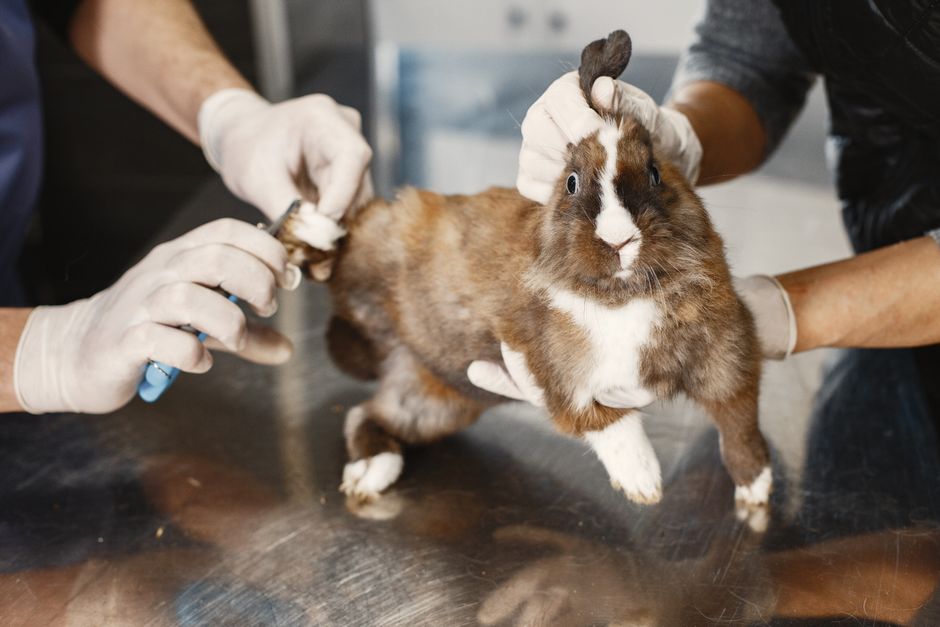
Many owners are understandably nervous about bringing their exotic pet in for advanced diagnostics. At Pet Town Veterinary, we take every precaution to ensure your animal’s comfort and safety throughout the ultrasound process. Most ultrasounds are performed while your pet is awake, although some very anxious or energetic animals may benefit from mild sedation. Our veterinary professionals will gently restrain your bird, reptile, or small mammal, often using soft towels or specialized positioning cushions to reduce stress.
The area to be scanned is shaved or moistened to allow better contact with the ultrasound probe. The entire procedure usually takes between 15 and 45 minutes, depending on the type of animal and the complexity of the case. Our veterinarians review the images immediately and can often share findings with you during the same appointment. When additional diagnostics are needed, such as bloodwork or digital radiology, we discuss all options and next steps with you. You can learn more about our in-house diagnostic laboratory services and how they complement ultrasound imaging for comprehensive care.
How Pet Ultrasound Improves Outcomes for Exotic Pets
The true value of pet ultrasound lies in its ability to provide rapid, accurate answers that inform treatment decisions. Early diagnosis means that many conditions can be managed medically before they progress to more serious stages. For instance, identifying egg binding in a female bird or a bladder stone in a rabbit allows us to intervene promptly, often avoiding surgery or life-threatening complications. Even in chronic conditions such as liver disease in parrots or kidney problems in reptiles, ultrasound helps monitor progression and guide ongoing care.
Our veterinary team often uses ultrasound alongside other diagnostics, such as digital radiology and laboratory testing, to obtain the most complete picture of your pet’s health. By combining these tools, we can create individualized treatment plans that address both acute and long-term needs.
Supporting Exotic Pet Health at Home: Prevention and Monitoring
While advanced diagnostics like ultrasound are powerful resources, daily observation and preventive care at home are equally important. Owners should monitor their exotic pets for changes in appetite, droppings, activity level, and behavior. Providing a species-appropriate diet, clean environment, and enriching habitat plays a major role in preventing many common health issues. Regular wellness visits with an experienced exotic veterinarian are essential for early detection and intervention. During these appointments, our team can advise you on best practices for husbandry, nutrition, and environmental enrichment tailored to your specific animal. Scheduling a veterinary wellness examination is one of the best ways to keep your exotic companion thriving.
When to Schedule a Pet Ultrasound for Your Exotic Pet
Determining when to pursue a pet ultrasound often comes down to a combination of clinical signs and your veterinarian’s assessment during a physical exam. If your bird, reptile, or small mammal is showing persistent or unexplained symptoms such as swelling, weight loss, lethargy, abnormal droppings, or reproductive issues, it is time to schedule an appointment. Sudden changes in condition, such as difficulty breathing, severe bloating, or acute pain, are always reasons to seek prompt veterinary attention. Our team at Pet Town Veterinary encourages owners to trust their instincts—if something feels off with your exotic pet, do not hesitate to reach out. Timely use of diagnostic tools like pet ultrasound can make all the difference in outcomes.
Why Choose Pet Town Veterinary for Exotic Pet Ultrasound in Newtown, CT?
Not every veterinary clinic has the experience, equipment, or specialized knowledge to safely and effectively perform ultrasound on exotic species. At Pet Town Veterinary, our veterinarians have advanced training in exotic animal medicine and use state-of-the-art imaging technology to provide accurate, compassionate care for birds, reptiles, and small mammals. Our Newtown facility is designed to minimize stress and support the unique needs of exotic pets, ensuring a positive experience for both animals and owners. Whether your companion needs a routine check-up or you are facing a health concern that requires advanced diagnostics, our team is here to help you every step of the way.
Take the Next Step: Schedule a Pet Ultrasound for Your Exotic Pet
Supporting the health of exotic pets requires proactive, knowledgeable care. If you are searching for an experienced veterinarian near me who understands the unique needs of birds, reptiles, and small mammals, Pet Town Veterinary is ready to help. Our team of veterinarians in Newtown, CT combines advanced diagnostic tools like pet ultrasound with a genuine passion for exotic animal care. To schedule an appointment or discuss your concerns, call us at (203)-304-9040. For more details about our approach to exotic species, visit our page on exotic pet veterinary care. Our veterinary professionals are committed to helping your exotic companion thrive with personalized, comprehensive care.