Understanding Gastrointestinal Issues in Dogs: Causes and Care Tips
Understanding Gastrointestinal Issues in Dogs: Causes and Care Tips
If your dog in Newtown, CT has been experiencing an upset stomach, vomiting, or diarrhea this November, you are not alone. Gastrointestinal issues in dogs are one of the most common reasons pet owners seek veterinary care, especially as the seasons change and holiday foods become more accessible to curious pups. At Pet Town Veterinary, located at 56 Church Hill Rd, Newtown, CT 06470, our team of veterinarians understands how distressing it can be to see your dog struggling with digestive discomfort. In this guide, we will walk you through the signs of gastrointestinal issues in dogs, discuss their most common causes, review treatment options available here in Newtown, and provide care tips to help keep your dog healthy and comfortable all season long. Whether you need a comprehensive pet exam or prompt diagnostics for urgent symptoms, our team is here to support your dog’s well-being.
Recognizing Gastrointestinal Issues in Dogs
Identifying gastrointestinal problems early is essential for your dog’s comfort and health. Dogs can experience a range of digestive issues, and the symptoms may vary from mild to severe. Key signs to watch for are vomiting, diarrhea, loss of appetite, excessive drooling, abdominal discomfort, and lethargy. Some dogs may also exhibit increased flatulence, gurgling sounds from the stomach, or even straining to defecate. If you notice your dog attempting to eat grass, repeatedly licking their lips, or showing signs of dehydration such as dry gums and sunken eyes, these may also indicate a digestive upset. In some cases, blood in the vomit or stool can signal a more serious problem that requires immediate veterinary attention.
The frequency and severity of these symptoms can help you determine the urgency of the situation. Occasional mild digestive upset—perhaps after a dietary indiscretion—may resolve on its own within a day. However, persistent symptoms or any signs of severe distress should never be ignored, as they could indicate underlying health problems ranging from infections to organ dysfunction.
Common Causes of Gastrointestinal Problems in Dogs
Gastrointestinal issues in dogs can arise from a variety of sources, and understanding the underlying cause is crucial for effective management. One of the most frequent culprits is dietary indiscretion. Dogs are notorious for eating things they shouldn’t, especially during holiday seasons when rich foods, table scraps, or even objects like toys and bones may be more accessible. This can quickly lead to vomiting or diarrhea as the digestive system attempts to cope.
Infectious agents such as bacteria, viruses, or parasites are also common contributors. Dogs can pick up infections from contaminated water, spoiled food, or contact with other animals. Changes in diet, food intolerances, or allergies may also trigger digestive upset, especially if new treats or foods are introduced too quickly.
More serious causes include gastrointestinal obstructions from foreign objects, chronic conditions like inflammatory bowel disease, or even organ dysfunction involving the liver, pancreas, or kidneys. Certain breeds are prone to specific digestive disorders, and older dogs may be at higher risk for tumors or systemic diseases that affect the gastrointestinal tract. Stress, changes in environment, or recent travel can also disrupt normal digestion. At Pet Town Veterinary, our diagnostic capabilities, including in-house laboratory testing, help us quickly identify the root cause of your dog’s symptoms so we can develop a tailored treatment plan.
Seasonal Considerations in Newtown
As the weather cools in Newtown and the holidays approach, dogs often have more opportunities to access festive foods and decorations that can cause digestive upset. Cold weather may also decrease your dog’s water intake, increasing the risk of dehydration if vomiting or diarrhea occurs. Owners should remain vigilant about keeping dangerous foods and objects securely out of reach.
Diagnosis and Veterinary Treatment Options
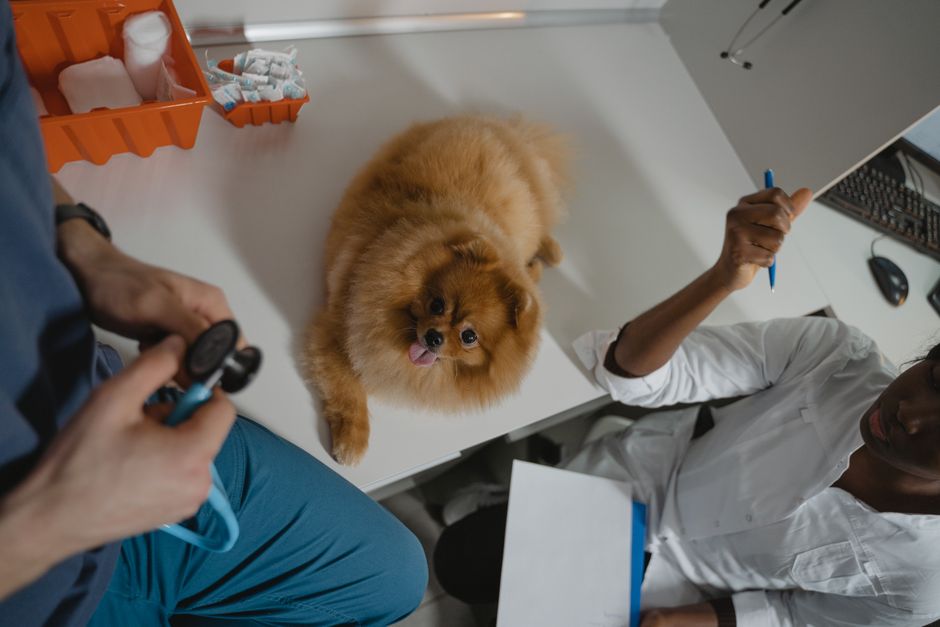
When you bring your dog to Pet Town Veterinary for gastrointestinal issues, our focus is on quick and accurate diagnosis, compassionate care, and effective treatment. The initial step typically involves a thorough physical examination and a detailed discussion of your dog’s recent diet, environment, and symptom history. Depending on the situation, our veterinarians may recommend in-house bloodwork, fecal analysis, or diagnostic imaging.
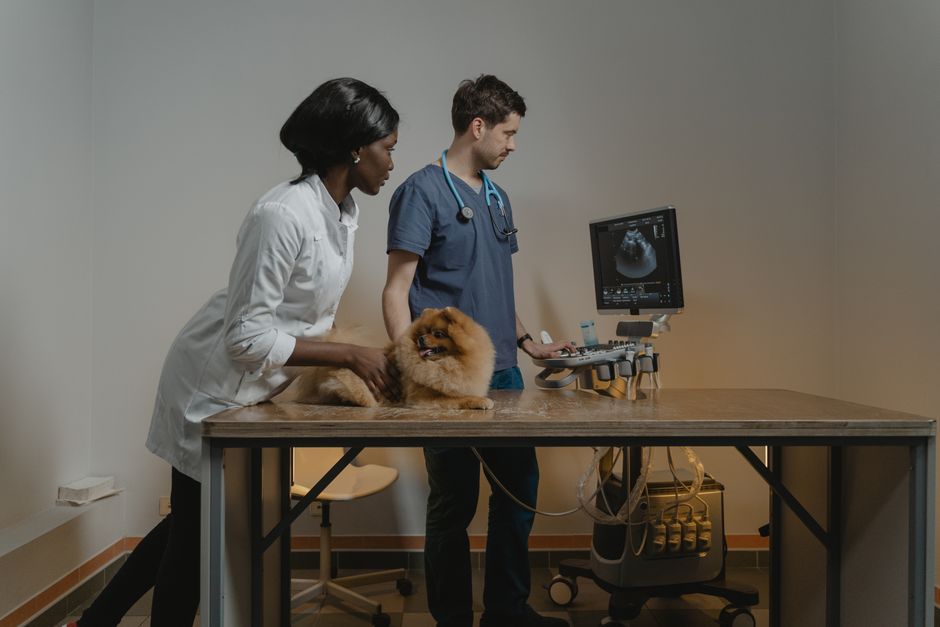
Advanced diagnostic tools, such as digital radiology and veterinary ultrasound, enable us to look for foreign objects, tumors, or abnormalities in the digestive tract. Laboratory testing can identify infections, parasites, or signs of organ dysfunction. These diagnostics play a vital role in distinguishing between mild, self-limiting cases and more severe or surgical conditions.
Treatment approaches involve stabilizing your dog’s condition, which may include anti-nausea medications, fluid therapy for dehydration, dietary adjustments, and probiotics to restore gut health. For infections, appropriate antibiotics or deworming medications may be prescribed. In more severe cases, such as gastrointestinal obstruction or internal injury, our team is equipped to provide surgical intervention when needed, always communicating clearly with you about the risks, benefits, and recovery expectations.
Follow-Up and Monitoring
After initiating treatment, our veterinary team emphasizes close monitoring to ensure your dog’s symptoms resolve and no complications arise. We will guide you on what to expect, when to reintroduce normal food, and how to spot any signs that may warrant a return visit.
Home Care and Prevention for Digestive Health
Supporting your dog’s digestive system at home is an important part of preventing future gastrointestinal issues. Always provide fresh water and feed a high-quality, balanced diet that is appropriate for your dog’s age and health status. Avoid sudden changes in food, as abrupt dietary shifts are a common trigger for digestive upset. If you plan to transition your dog to a new diet, do so gradually over the course of a week.
Keep household garbage, table scraps, and hazardous objects out of your dog’s reach, especially during the holidays when tempting foods and decorations may be more prevalent. Regular exercise helps maintain healthy digestion and reduces stress, which can also contribute to gastrointestinal health. For dogs with a history of sensitive stomachs, your veterinarian may recommend a specialized diet or supplements to support digestive function.
Routine wellness examinations are essential for early detection of underlying conditions that can affect your dog’s gastrointestinal tract. Your veterinarian can also discuss vaccination and parasite prevention strategies that are tailored to our local environment here in Newtown.
When to Seek Veterinary Care for Your Dog
Knowing when to contact your veterinarian is critical for your dog’s safety. If your dog experiences persistent vomiting or diarrhea lasting more than 24 hours, shows signs of dehydration, has blood in the vomit or stool, or appears lethargic and unresponsive, prompt veterinary care is necessary. Puppies, senior dogs, and those with existing medical conditions are especially vulnerable to complications and should be seen as soon as possible at any sign of gastrointestinal distress.
If your dog ingests a foreign object, toxic substance, or exhibits sudden severe abdominal pain, do not wait—call our veterinary team immediately for guidance. We are committed to providing timely support and compassionate care, helping you navigate urgent health concerns with confidence.
Supporting Your Dog’s Digestive Health in Newtown, CT
Gastrointestinal issues in dogs can be stressful for both you and your pet, but with attentive home care and prompt veterinary support, most cases can be managed successfully. The team at Pet Town Veterinary is dedicated to helping dogs in Newtown and surrounding communities maintain healthy, comfortable lives year-round. Whether you need a routine wellness exam, advanced diagnostics, or urgent care, we are just a phone call away.
If you are searching for a trustworthy "vet near me" in Newtown, our veterinarians are here to provide expert care tailored to your dog’s needs. Contact us today at (203)-304-9040 to schedule an appointment, or visit our state-of-the-art facility for compassionate support with any concerns about gastrointestinal issues in dogs. Your dog’s comfort and health are our top priorities, and together we can ensure a happy, healthy season for your beloved companion.
This article is intended for informational purposes only and should not be used as a substitute for professional veterinary advice. Always consult your veterinarian for guidance tailored to your dog’s specific health needs.