Understanding Sensitive Stomachs in Exotic Pets This Fall
Understanding Sensitive Stomachs in Exotic Pets This Fall
As the crisp air of October settles over Newtown and the leaves begin to fall, many exotic pet owners notice subtle changes in their animal companions. Whether you share your home with a vibrant parrot, a curious bearded dragon, or a gentle rabbit, digestive upsets can become more common during the autumn months. At Pet Town Veterinary, located at 56 Church Hill Rd, Newtown, CT 06470, our team of veterinarians is dedicated to supporting the unique needs of exotic species all year long. In this guide, we will help you recognize the signs of a sensitive stomach in birds, reptiles, and small mammals, explore common fall triggers, discuss effective management options, and clarify when it is time to reach out for professional care. If you have concerns about your exotic animal's digestive health, our exotic medicine services are designed to provide the specialized support your companion needs right here in Newtown.
Recognizing Digestive Problems in Exotic Pets
Exotic animals are experts at hiding illness, often showing only subtle changes when something is wrong. Being familiar with normal behavior and healthy digestion in your specific species is the first step in catching problems early. Signs of a sensitive stomach or digestive upset in exotic pets can vary between birds, reptiles, and small mammals, but several common symptoms are important to watch for.
Birds with digestive distress may show changes such as vomiting, regurgitation, loose or discolored droppings, or a fluffed-up appearance. Additionally, a bird that seems unusually quiet, less interested in food, or reluctant to perch may be experiencing discomfort. Reptiles like bearded dragons, geckos, or snakes often display symptoms such as lethargy, refusal to eat, abnormal stools, or swelling in the abdomen. Tortoises and turtles may have runny droppings, a loss of appetite, or spend more time hiding. Small mammals, including rabbits, guinea pigs, and ferrets, may exhibit reduced appetite, diarrhea, smaller or fewer droppings, or signs of abdominal pain like tooth grinding or hunching.
Other red flags for all exotic pets include sudden weight loss, dehydration, or a noticeable change in behavior. If you notice any of these signs or simply feel that something is not right with your animal, it is important to seek advice from a veterinary team experienced in exotic animal care. Early intervention can make a significant difference in recovery.
Why Fall Brings Digestive Challenges for Exotic Species
The fall season in Newtown and surrounding communities introduces a range of environmental changes that can affect exotic animals. Temperature fluctuations, changes in daylight, and alterations in household routines as families settle in for the colder months can all play a role in digestive upset.
One common trigger is a change in ambient temperature. Many exotic species, especially reptiles and birds, are sensitive to drafts, sudden drops in temperature, or inconsistent heating. For example, reptiles depend on external warmth for digestion; if their enclosure becomes too cool, their gastrointestinal system can slow down, leading to indigestion or even impaction. Birds may also become stressed if their environment is exposed to chilly drafts, which can lower their immune response and make them more vulnerable to gut issues.
Dietary changes are another frequent culprit during the fall. As fresh produce options shift with the season, owners may need to modify the variety of greens, fruits, and vegetables offered. Sudden dietary changes, new foods, or treats with a higher sugar or fat content can disrupt the delicate balance of gut flora in rabbits, guinea pigs, and other small mammals. Additionally, indoor heating can dry out the air, making it important for animals that are accustomed to higher humidity—such as certain reptiles or tropical birds—to have their needs met to avoid dehydration and its impact on digestion.
Stress is a less obvious, but powerful, contributor to sensitive stomachs in exotic pets. Increased noise from holiday gatherings, rearrangement of furniture, or a busier household as routines change can all lead to stress-induced digestive disturbances. For prey species like rabbits and guinea pigs, even subtle changes in their environment can be enough to trigger gut stasis or diarrhea.
Veterinary Diagnosis and Treatment for Sensitive Stomachs
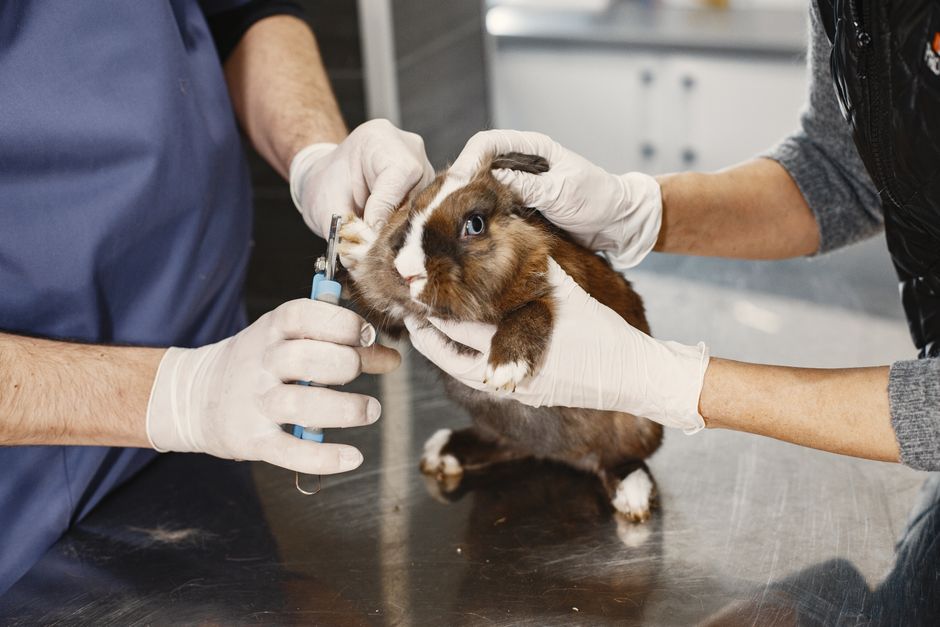
If your exotic companion is showing signs of digestive upset, prompt evaluation by a veterinary team with experience in exotic medicine is essential. At Pet Town Veterinary, our veterinarians begin with a thorough examination tailored to the unique anatomy and physiology of your animal. This may include a wellness examination to assess overall health, careful palpation of the abdomen, and review of your animal's diet, environment, and recent changes.
Diagnostic tools such as our in-house pet diagnostic lab allow us to quickly assess bloodwork, fecal samples, and other laboratory parameters to uncover underlying infections, parasites, or metabolic disturbances. In some cases, advanced imaging with digital radiology or veterinary ultrasound may be recommended to evaluate the digestive tract for blockages, abnormal masses, or organ enlargement.
Treatment approaches depend on the cause and the species involved. Supportive care for mild cases may involve fluid therapy, gradual dietary adjustments, or probiotics to restore healthy gut flora. For rabbits and guinea pigs, prompt action is especially important; gut stasis can become life-threatening if left untreated. Birds with vomiting or severe diarrhea may require crop feeding, medications to control infection, and careful monitoring for dehydration. Reptiles may need enclosure adjustments to correct temperature or humidity, as well as treatments to address impactions or underlying infections.
It is important to remember that exotic pets react differently to medications than dogs or cats, and some treatments that are safe for one species may be dangerous for another. Always consult an experienced veterinary team before attempting any home remedies or over-the-counter treatments.
Home Care and Prevention for Exotic Digestive Health
While professional care is crucial for managing active digestive problems, there are several steps you can take at home to support your exotic animal's GI health, especially as autumn arrives in Connecticut. Gradually introducing any new foods is essential; changes in diet should be made slowly, offering small amounts of new produce or pellets while monitoring stool quality and appetite. For birds, offer a balanced diet rich in high-quality pellets, supplemented with appropriate fresh vegetables and limited fruit. Small mammals benefit from consistent access to high-fiber hay, with greens and vegetables added in moderation.
Regularly check your exotic pet's environment for changes in temperature and humidity. For reptiles, use accurate thermometers and hygrometers to ensure that basking spots and cool zones remain within the recommended range for the species. Consider covering enclosures at night or moving cages away from drafty windows as outdoor temperatures drop. For birds, avoid placing cages near doors or windows that may let in cold drafts.
Stress reduction plays a significant role in prevention. Maintain a stable routine, handle your animal gently, and provide plenty of hiding spots or enrichment to offer a sense of security. Be mindful of loud noises or major changes in the household, especially during the busy fall and holiday season.
Routine veterinary checkups are another key prevention tool. Regular wellness examinations allow your veterinary team to identify subtle health changes before they become serious concerns. Discuss your animal's diet, habitat, and any observed changes with your veterinarian at each visit to keep their care plan up to date.
When to Contact Your Exotic Veterinarian
Knowing when to seek veterinary care can safeguard your animal's health and peace of mind. In general, if your bird, reptile, or small mammal experiences persistent vomiting or diarrhea, refuses to eat for more than 24 hours, produces no droppings, or develops sudden lethargy, a prompt call to your veterinary team is warranted. For rabbits, guinea pigs, and ferrets, any reduction in appetite or stool production is considered an urgent concern. Birds that puff up, become very quiet, or exhibit changes in their droppings should be evaluated promptly. Reptiles that are unable to pass stool or appear swollen may need immediate assessment.
If you are ever unsure, it is always better to err on the side of caution and schedule an appointment with our team at Pet Town Veterinary. Our state-of-the-art facility is equipped to handle the unique needs of exotic species, from diagnostics to emergency stabilization. When searching for an experienced veterinarian near me for your exotic animal, choosing a clinic with a dedicated focus on birds, reptiles, and small mammals makes all the difference.
Supporting Your Exotic Pet’s Health This Fall in Newtown
As autumn brings its own set of challenges for exotic animals, staying attentive to subtle changes in appetite, behavior, and digestive habits is the best way to keep your beloved companion healthy. At Pet Town Veterinary, we understand the special bond you share with your unique animal and are committed to providing skilled care at every stage. If you notice signs of stomach upset or have questions about prevention and diet, our team welcomes you to schedule an appointment for a comprehensive evaluation right here in Newtown. You can reach our veterinary team at (203)-304-9040 or visit us at 56 Church Hill Rd, Newtown, CT 06470. For more information about our exotic medicine services, please visit our website, and remember that expert care is just around the corner whenever your animal needs it most.
If you are looking for a veterinarian near me who truly understands the needs of exotic species, trust the veterinary professionals at Pet Town Veterinary to support your animal’s wellbeing this fall and beyond.