Fall Dental Care Tips for Exotic Pets in Newtown
Fall Dental Care Tips for Exotic Pets in Newtown
Autumn in Newtown brings crisp weather and cozy routines, but for owners of exotic pets like birds, rabbits, and small mammals, it is also time to pay close attention to dental health. At Pet Town Veterinary, our veterinary team often sees an uptick in dental concerns for exotic species as fall sets in. Whether you are caring for a cockatiel, a house rabbit, or a guinea pig, fall is the perfect season to reassess your animal's oral care and schedule a dental checkup at our state-of-the-art facility on 56 Church Hill Rd, Newtown, CT 06470. In this blog, we will share expert-recommended fall dental care tips tailored specifically for exotic pets, help you recognize early signs of oral trouble, explain why dental issues arise in these unique animals, and guide you on when to seek professional help. You will also learn how our team supports exotic animal health through services like exotic medicine for birds and small mammals and professional dental cleaning.
How to Recognize Dental Problems in Birds, Rabbits, and Small Mammals
Exotic animals often hide symptoms of illness, making it challenging for owners to realize when their companion is experiencing dental discomfort. However, changes in eating habits are one of the first indicators that something may be wrong. Watch for signs such as dropping food, chewing on one side of the mouth, or a sudden preference for softer foods. You may also notice weight loss, excessive salivation, facial swelling, or a reluctance to eat favorite treats. In birds, overgrown beaks or changes in beak alignment can signal problems, while rabbits and guinea pigs might show elongated or misaligned incisors, difficulty grooming, or even eye discharge due to tooth root issues. Additionally, some small mammals may paw at their mouths or display a decreased interest in social interaction. If you see any of these changes in your exotic animal, it is important to take them seriously and reach out to a veterinary professional experienced in exotic care.
Why Do Exotic Pets Develop Dental Issues in the Fall?
Several factors contribute to the rise in dental concerns among exotic animals during autumn. As daylight shortens and temperatures drop, many owners adjust their pets' diets, sometimes introducing more processed foods or treats that can lead to dental plaque buildup. Indoor heating can also reduce humidity, which may impact moisture levels in the oral cavity. For small mammals like rabbits and guinea pigs, the availability of fresh forage may decrease in the fall, leading to less natural tooth wear. Birds, especially those that are fed primarily seeds or soft foods, are prone to beak overgrowth if not provided with enough foraging opportunities or chew toys. Additionally, exotic species have unique dental anatomy: rabbits and guinea pigs possess continuously growing teeth that require regular wear, while many birds' beaks will overgrow without adequate abrasion. Environmental stressors, changes in routine, and subtle shifts in diet all combine to make fall a critical time for monitoring and maintaining dental health.
Professional Dental Care for Exotic Pets at Pet Town Veterinary
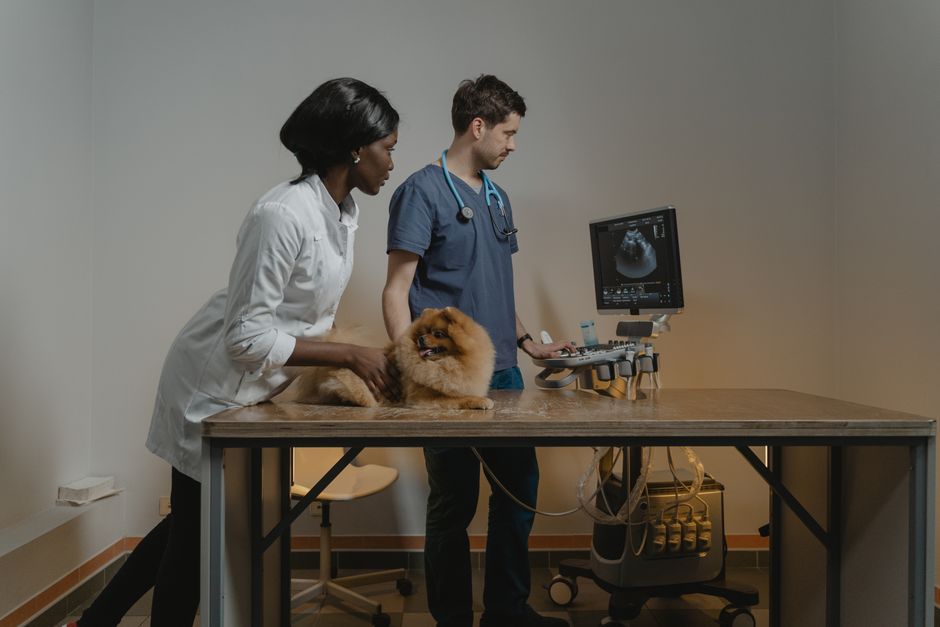
When you bring your exotic animal to Pet Town Veterinary for a dental checkup, our team of veterinarians begins with a gentle, thorough oral examination. Using specialized tools and techniques suited for birds, rabbits, and small mammals, we assess tooth or beak alignment, check for sharp points or overgrowth, and look for any signs of infection or pain. For many exotic animals, routine trimming of teeth or beaks may be necessary to prevent injury and ensure comfortable eating. In more advanced cases, we may recommend diagnostic imaging to evaluate tooth roots or underlying bone health, supported by our in-house diagnostic laboratory services.
If dental disease is identified, treatment options may include careful trimming, dental filing, surgical intervention for abscesses, or, in rare cases, tooth extraction. Our approach is always tailored to the unique anatomy and needs of each species, minimizing stress and risk throughout the procedure. For ongoing support, we may suggest follow-up visits or periodic cleanings, which are performed with gentle restraint and, when necessary, mild sedation for your animal’s safety. To learn more about our dental services for exotics, you can read about our professional dental cleaning options.
Fall Home Care Tips to Support Your Exotic Pet’s Dental Health
While professional veterinary care is essential, daily home care plays a crucial role in preventing dental disease in exotic pets. For rabbits and guinea pigs, ensure access to unlimited, high-quality hay, as it provides the abrasive action needed to wear down teeth naturally. Offer a variety of fibrous, leafy greens appropriate for your animal’s species, and avoid over-reliance on pellets or processed treats. For birds, provide natural wood perches, mineral blocks, and safe chewable toys to help maintain beak shape and encourage natural foraging behavior. Monitor your animal’s eating patterns closely during the seasonal transition; any change in appetite, droppings, or behavior may be an early warning sign. Regularly inspect your animal’s mouth, teeth, and beak for visible changes, and keep their environment clean to reduce the risk of oral infections. If you are unsure about your exotic animal’s diet or husbandry, our veterinary team is always happy to provide personalized recommendations during your visit.
When Should You Schedule a Veterinary Dental Exam?
Owners should schedule a dental evaluation at least once a year for exotic pets, but more frequent visits may be needed for animals with a history of dental problems or those showing any concerning signs. Immediate veterinary attention is recommended if you notice difficulty eating, drooling, facial swelling, foul odor from the mouth, blood, or any sudden change in behavior. Birds with cracked, overgrown, or misaligned beaks require prompt assessment, while rabbits and guinea pigs with visible tooth elongation or abscesses need professional intervention to prevent complications. Delaying care can lead to nutritional deficiencies, pain, and more serious systemic illness. At Pet Town Veterinary, we offer comprehensive pet examinations for exotic species, ensuring prompt diagnosis and effective treatment. If you are searching for a veterinarian near me with expertise in exotic animals, our Newtown team is here to help.
Why Choose Pet Town Veterinary for Exotic Dental Care in Newtown?
Caring for exotic pets requires specialized knowledge and a compassionate approach. Our veterinarians are experienced in the unique dental and medical needs of birds, rabbits, guinea pigs, ferrets, and other small mammals. We understand that these animals are cherished companions, and we are committed to providing gentle, thorough care in a supportive environment. Our state-of-the-art facility in Newtown is equipped with advanced diagnostic and dental tools, allowing us to deliver precise, minimally invasive treatments. We encourage ongoing wellness visits, preventive care plans, and open communication with every owner, so you can feel confident in your animal’s health year-round.
Schedule Your Exotic Pet’s Fall Dental Checkup in Newtown
As fall arrives in Newtown, now is the ideal time to give your exotic pet the dental care they deserve. Early detection and routine maintenance are key to preventing serious oral health issues, ensuring your bird, rabbit, or small mammal stays happy and healthy through the changing seasons. If you have questions about your animal’s dental health, or if you would like to book a fall dental checkup, reach out to our veterinary team at Pet Town Veterinary. You can schedule an appointment by calling (203)-304-9040 or visiting us at 56 Church Hill Rd, Newtown, CT 06470. For more information about our services for exotic animals, explore our exotic medicine offerings for birds and small mammals. When searching for a veterinarian near me, trust our experienced team to provide exceptional care for your exotic companion this fall and beyond.
This article is intended for informational purposes only and should not replace professional veterinary advice. Always consult with a qualified exotic animal veterinarian regarding your animal’s specific health needs.