Understanding Microchipping for Exotic Pets in Newtown, CT
Understanding Microchipping for Exotic Pets in Newtown, CT
If you’re a proud owner of a bird, reptile, rabbit, ferret, or any other unique animal companion, you already know how special these pets are—and how their safety is always a top priority. In Newtown, CT and surrounding communities, many exotic pet owners wonder how to best protect their pets from accidental loss or separation. Microchipping exotic pets has become a leading solution for secure identification, offering peace of mind whether your pet is at home, traveling, or visiting the veterinarian. At Pet Town Veterinary, our experienced veterinary team understands the distinct needs of exotic species and provides advanced, species-appropriate microchip services right here at our state-of-the-art facility.
In this comprehensive guide, we’ll explore why microchipping exotic pets in Newtown, CT is an essential step for responsible ownership. You’ll learn how microchipping works for birds, reptiles, and small mammals, what to expect during the process, and how to maximize your exotic pet’s safety every day. If you’re searching for a “vet near me” who truly understands exotic animal care, you’ll discover why Pet Town Veterinary is your trusted partner for exotic pet medicine and microchip services in Newtown and beyond.
Recognizing the Risks: Why Microchipping Exotic Pets Matters
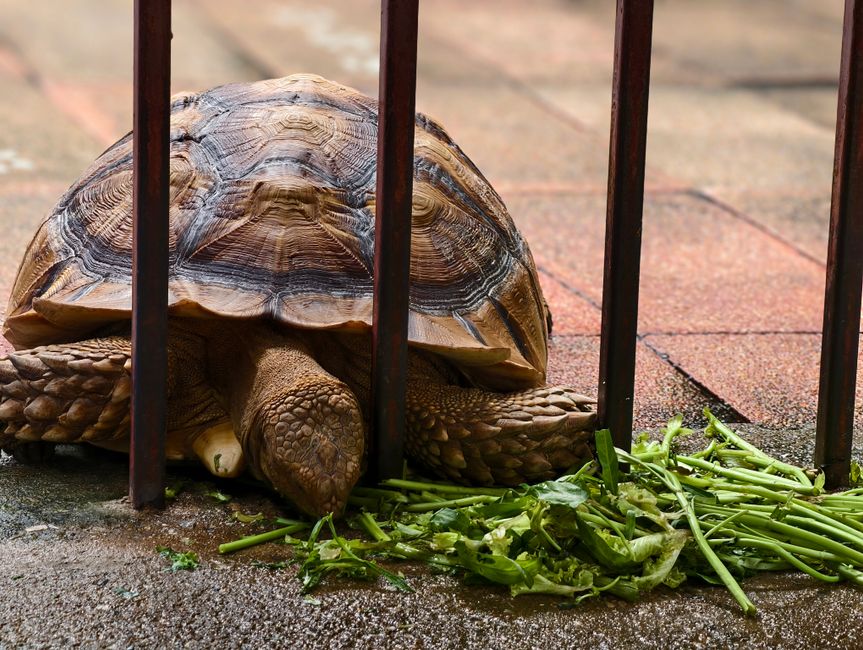
Many pet owners associate microchipping with dogs and cats, but the reality is that exotic pets face their own unique risks when it comes to accidental escape or separation. Birds can slip through open doors or windows, tortoises might slowly wander out of a yard, and small mammals like ferrets or rabbits are notorious for squeezing through tiny spaces. In the event that an exotic pet goes missing, traditional identification methods such as collars or leg bands can be unreliable, uncomfortable, or even unsafe.
Key scenarios where microchipping exotic pets in Newtown, CT becomes crucial include situations where your bird flies out unexpectedly, your reptile escapes during outdoor time, or your small mammal is lost during travel. Other circumstances, such as emergency evacuations or unfamiliar environments, can also increase the risk of separation. For these reasons, secure and permanent identification through microchipping offers a stronger safety net than temporary tags or markings.
Warning signs that highlight the need for microchipping include pets with frequent opportunities for escape, animals that are easily startled, or species that are difficult to visually identify if found by someone else. Additionally, if your household includes children, guests, or frequent visitors, the chances of an accidental escape may be higher. Recognizing these risks is the first step toward proactive exotic pet safety in Newtown, CT.
Understanding Microchips for Birds, Reptiles, and Small Mammals
Microchipping for exotic pets may seem complex, but the process is safe, reliable, and tailored to the unique needs of each species. Unlike external tags, a microchip is a tiny device—about the size of a grain of rice—that is implanted just under the skin. Each microchip contains a one-of-a-kind identification number that can be read by a scanner at veterinary clinics, animal shelters, and many pet rescue organizations.
For birds, microchips are usually implanted in the breast muscle rather than under the skin, as this area is safer and less prone to complications. In reptiles, such as snakes, lizards, and tortoises, microchip placement depends on the species’ anatomy, with the chip typically inserted in a location where it will not interfere with natural movement. Small mammals like rabbits, ferrets, and guinea pigs receive microchips under the skin, commonly between the shoulder blades.
It’s important to note that not all microchip devices and scanners are suitable for exotic species. At Pet Town Veterinary, our veterinary professionals use specialized microchips and equipment designed specifically for birds, reptiles, and small mammals, ensuring a gentle, effective experience. If you’ve ever wondered about the safety or comfort of microchipping for your exotic pet, our veterinarians will walk you through every step of the process and answer your questions during your visit.
The Microchipping Process: What Exotic Pet Owners Can Expect
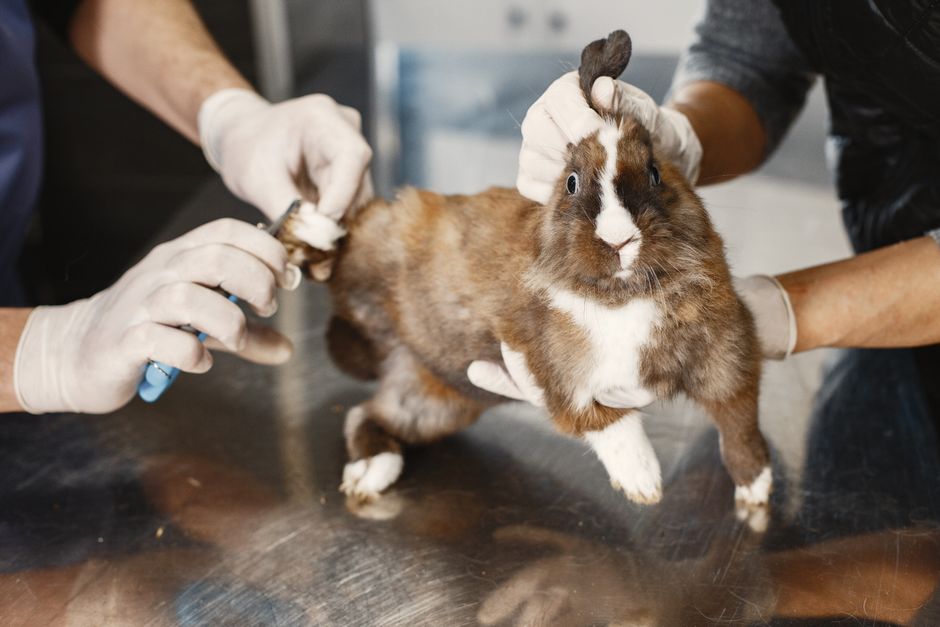
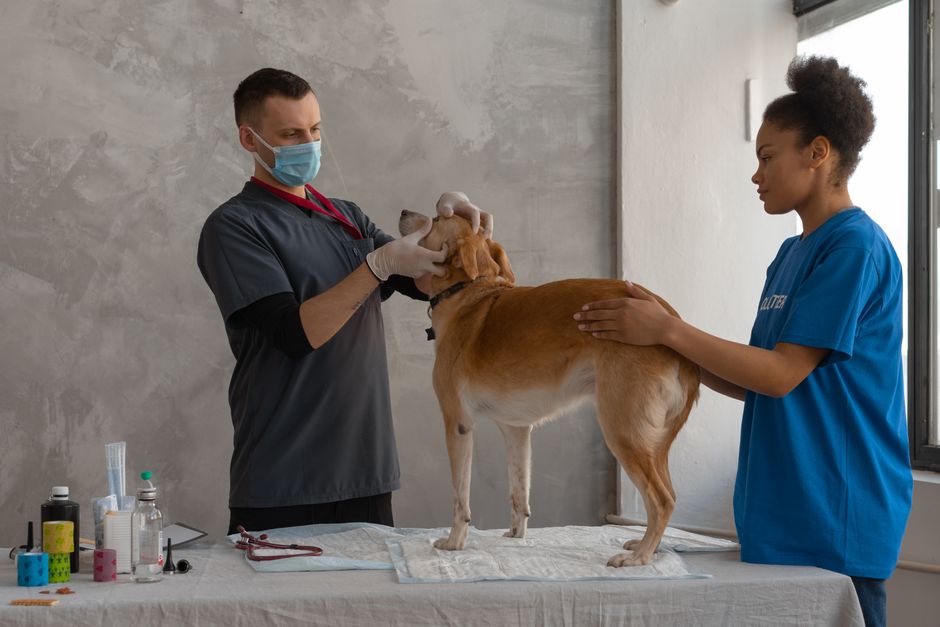
When you schedule an appointment for microchipping exotic pets in Newtown, CT, you can expect gentle handling and a focus on minimizing stress for your animal companion. The process begins with a thorough examination by our veterinary team to assess your pet’s health and suitability for microchipping. For many exotic pets, the procedure can be performed during a routine wellness visit or alongside other preventive care services, reducing the need for multiple trips.
The microchip is implanted using a sterile applicator, and most pets experience only mild discomfort that passes quickly. For species that are particularly small or sensitive, our veterinarians may recommend light sedation or local anesthetic to ensure your pet’s comfort. Once in place, the microchip is virtually undetectable to your pet, causing no restriction of movement or daily activity.
After the microchip has been implanted, our team will register your pet’s unique identification number in a national database, connecting your contact information to your pet’s microchip. This step is critical for ensuring your pet can be returned to you quickly if ever found by someone else. We recommend that owners update their contact details in the database whenever there is a change in address or phone number. For pet owners seeking “microchipping for exotic pets near me,” Pet Town Veterinary’s focus on compassionate care and advanced technology makes us a trusted choice.
To learn more about the process or to schedule a consultation, you can explore our microchipping services for pets.
Enhancing Exotic Pet Safety at Home and in the Community
While microchipping is a powerful tool for exotic pet safety in Newtown, CT, it works best when combined with other proactive measures. Keeping your pet’s environment secure is essential; this means regularly inspecting enclosures for gaps, using proper locking mechanisms, and ensuring windows and doors are safely closed when your pet is out. For outdoor time, supervised play and secure pens or aviaries add an extra layer of protection.
Socializing your exotic pet to tolerate gentle handling can be helpful for both veterinary visits and potential rescue situations. Teaching family members and frequent visitors about your pet’s unique needs further reduces the risk of accidental escape. In addition, keeping clear, up-to-date photographs of your pet can assist with identification in the unlikely event your pet does go missing.
Microchipping also supports responsible exotic pet ownership when traveling or boarding. Many transport services, hotels, and boarding facilities in Newtown, CT and surrounding communities require proof of permanent identification. Having a microchip already in place can simplify these experiences and provide extra reassurance.
When to Seek Veterinary Help for Your Exotic Pet’s Safety
If your exotic pet has escaped or gone missing, time is of the essence. Contact local animal shelters, rescue organizations, and veterinary clinics immediately, providing them with your pet’s microchip number and a recent photo. Prompt notification increases the chances of a safe reunion, especially when your pet is already microchipped and registered.
You should also seek veterinary care if you suspect your exotic pet’s microchip may have shifted or caused irritation, or if your pet seems uncomfortable after the procedure. While complications are rare, our veterinary professionals are here to address any concerns and provide appropriate follow-up care. If you are considering microchipping exotic pets in Newtown, CT for the first time, a consultation with our veterinarians ensures your pet receives the safest, most suitable care.
We encourage all exotic pet owners to schedule regular wellness visits, as these provide valuable opportunities to check microchip function and update your contact information. Early intervention is key to maintaining optimal exotic pet safety in Newtown, CT.
Take the Next Step Toward Secure Exotic Pet Identification
Microchipping exotic pets in Newtown, CT offers peace of mind for both you and your animal companion. From birds and reptiles to small mammals, permanent identification is a powerful tool for preventing loss and ensuring a safe return if separation ever occurs. At Pet Town Veterinary, our knowledgeable team of veterinarians is committed to exceptional exotic pet care, advanced microchipping technology, and compassionate service for every species.
If you’re ready to enhance your exotic pet’s safety, schedule an appointment for microchipping or an exotic pet wellness exam today. Our convenient location at 56 Church Hill Rd, Newtown, CT 06470 welcomes pet owners from Newtown and surrounding communities. You can also learn more about our microchipping services for pets to discover how we support your pet’s lifelong security.
To book your visit, call (203)-304-9040. Our veterinary professionals look forward to supporting you and your unique animal companions with the highest quality care—making Pet Town Veterinary your trusted “vet near me” for all your exotic pet safety needs in Newtown, CT.
Disclaimer: The information provided in this blog is intended for educational purposes only and should not replace professional veterinary advice. Please schedule an appointment with a qualified veterinarian for specific questions or concerns about your exotic pet’s health and safety.