Summer Care Tips for Exotic Pets in Newtown
Summer Care Tips for Exotic Pets in Newtown
As temperatures rise in Newtown and the humidity starts to climb, owners of exotic pets face unique challenges in keeping their animals comfortable and healthy. Whether you share your home with a vibrant parrot, a curious gecko, or a playful ferret, summer in Connecticut can bring risks that are very different from those affecting dogs or cats. At Pet Town Veterinary, located at 56 Church Hill Rd, Newtown, CT 06470, our team of veterinarians understands the special needs of birds, reptiles, and small mammals. This guide will help you recognize the signs of heat stress, understand why exotic pets are particularly vulnerable during the summer months, and provide practical steps to help your unique companion thrive all season long. We will also discuss when it’s time to seek professional help, including details about our exotic veterinary care and same-day emergency services for exotics in Newtown and surrounding communities. For additional information about the specialized services we offer for birds, reptiles, and small mammals, explore our page on exotic medicine.
Recognizing Summer Risks in Exotic Pets
Exotic pets are highly sensitive to changes in their environment, and summer heat can quickly become dangerous if not managed carefully. Birds, reptiles, and small mammals like rabbits, guinea pigs, and ferrets are all at risk, but they show distress in different ways. For example, birds may pant, hold their wings away from their bodies, or become unusually quiet when overheated. Reptiles might become lethargic, refuse food, or show abnormal shedding. Small mammals can be seen breathing rapidly, drooling, or seeking out cool surfaces. Key symptoms of overheating in exotic pets include excessive panting or open-mouth breathing, weakness, lack of appetite, and in severe cases, collapse or seizures. If you notice these signs in your animal, it is important to take immediate action to cool them down and contact your veterinarian for guidance. Summer storms can also be stressful for many exotic species, sometimes resulting in anxiety behaviors or escape attempts. Owners should pay close attention to subtle changes, as exotics often hide signs of illness until their condition becomes serious.
Why Are Exotic Pets Vulnerable to Heat and Humidity?
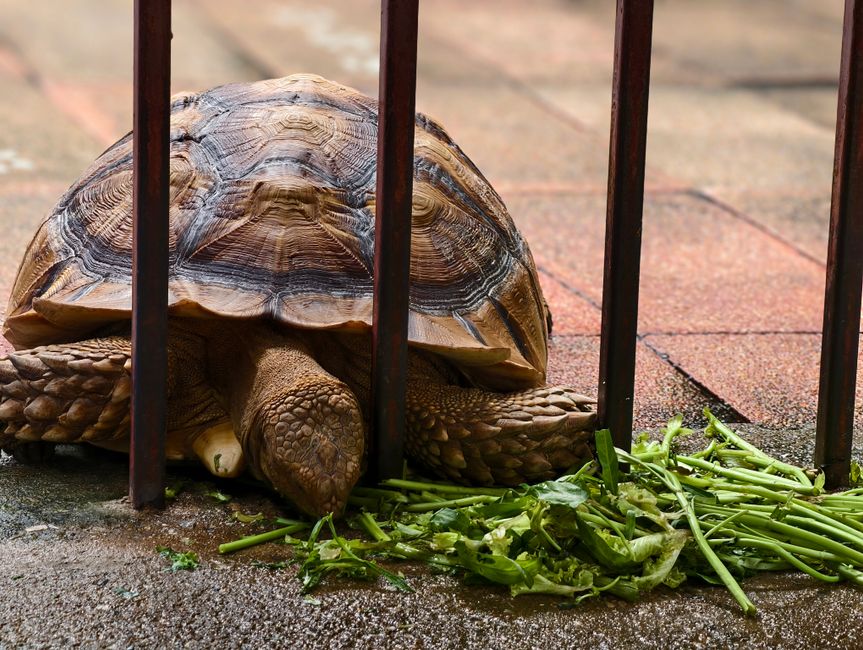
Many exotic species originate from climates that differ dramatically from Connecticut’s hot, humid summer weather. Birds from tropical forests may tolerate some humidity but can struggle in the stagnant, overheated air of an unventilated home. Reptiles, depending on their species, may be adapted to arid deserts or moist rainforests, each requiring specific temperature and humidity ranges that are difficult to maintain without careful management. Small mammals such as rabbits and guinea pigs have dense fur and do not sweat, making it hard for them to shed excess heat. Complicating matters, many exotic pets are housed in enclosures or cages that can trap heat, especially if placed near windows, in direct sunlight, or without adequate air circulation. Additionally, sudden summer storms can cause rapid shifts in temperature and humidity, further stressing these sensitive animals. Understanding your exotic pet’s natural habitat and how it differs from the typical home environment is crucial for preventing seasonal health issues.
Professional Care and Support for Exotic Pets in Summer
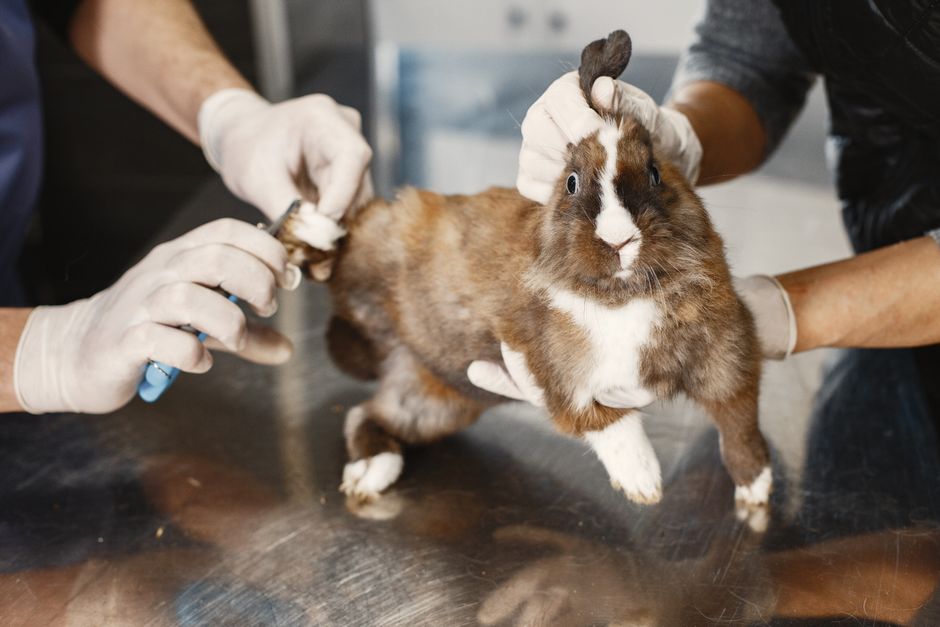
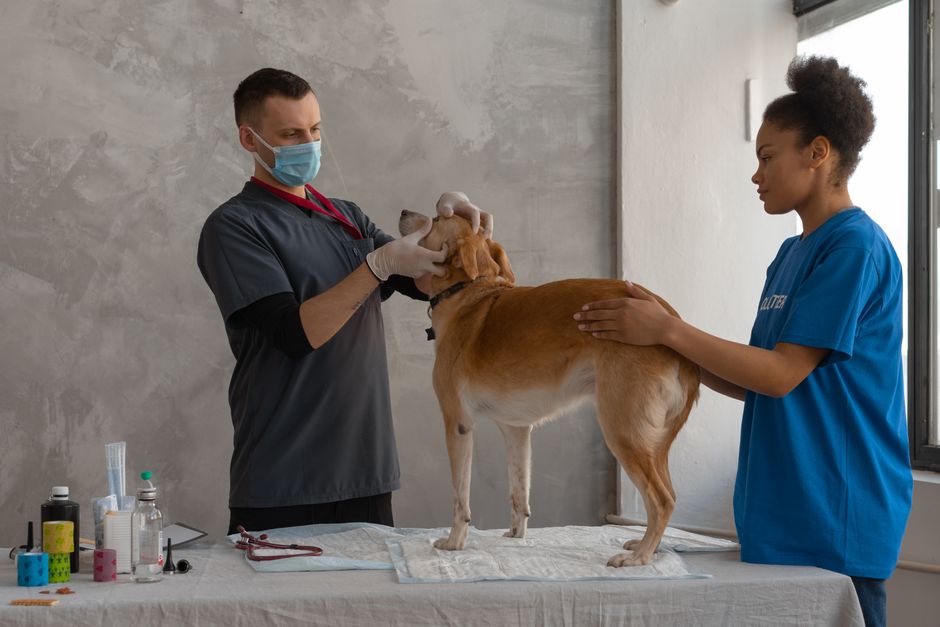
When summer heat or storms threaten your exotic animal’s wellbeing, prompt and knowledgeable veterinary care is essential. At Pet Town Veterinary, our team is equipped with advanced diagnostic tools and has extensive experience in exotic animal medicine. During a wellness visit, our veterinary professionals will assess your pet’s hydration, body condition, and enclosure setup, and provide recommendations tailored to their species and lifestyle. Should your animal experience signs of heat stroke, dehydration, or other summer-related emergencies, we offer emergency veterinary care for exotic pets in Newtown and surrounding areas. Treatment options for overheating may include controlled cooling, fluid therapy, oxygen support, and monitoring for complications such as organ dysfunction. For birds and small mammals, our veterinarians may provide nutritional support and adjust husbandry recommendations to ensure recovery. For reptiles, we focus on gradual stabilization of temperature and humidity, along with supportive care specific to the species involved. Our facility is designed to accommodate the needs of exotic pets, from birds to reptiles, ensuring a safe and calm environment during their visit.
Home Care and Prevention: Keeping Your Exotic Pet Safe All Summer
Prevention is the key to avoiding heat-related emergencies in exotic pets. Owners should ensure that enclosures are never placed in direct sunlight or near heat sources, as even a few hours of exposure can be dangerous. It is important to maintain appropriate temperature and humidity using thermostats, hygrometers, and species-specific heating or cooling devices. For birds, gentle air circulation and access to fresh water help keep them comfortable; misting may also benefit certain species, but always check with your veterinarian before introducing new husbandry practices. Reptile owners must monitor both the warm and cool areas of the enclosure, providing shaded hides and avoiding rapid temperature fluctuations. Small mammals benefit from frozen water bottles or ceramic tiles that stay cool, and all exotics should have constant access to clean, fresh water. During storms, minimize stress by covering cages, keeping noise to a minimum, and ensuring that enclosures are secure. Regularly review your setup and adjust as needed when outdoor temperatures change. If you are unsure about the best environment for your animal, our team can provide detailed husbandry consultations tailored to your pet’s needs.
When to Seek Veterinary Help for Your Exotic Animal
Despite the best preventive measures, emergencies can happen. Owners should seek immediate veterinary attention if their exotic pet shows signs such as persistent open-mouth breathing, severe lethargy, unresponsiveness, seizures, or collapse. Other concerning symptoms include refusal to eat or drink for more than 24 hours, persistent diarrhea, abnormal vocalizations, or any sudden behavioral changes. In the case of storm-related anxiety, if your animal is self-injuring, escaping, or not recovering from stress, professional support is recommended. Early intervention is critical for exotic species, as they often deteriorate rapidly once symptoms appear. Our emergency veterinary care page outlines what to expect during a visit and how to prepare if you need to bring your animal in on short notice. When in doubt, it is always safer to contact our veterinary team for advice; prompt action can make all the difference in your animal’s recovery.
Supporting Your Exotic Pet’s Health in Newtown This Summer
Keeping exotic pets safe and healthy during the summer requires a thoughtful approach to temperature, hydration, and stress management. By closely monitoring your animal, maintaining an optimal environment, and acting quickly if you notice warning signs, you can help your unique companion thrive even during the hottest months. At Pet Town Veterinary, our team of veterinarians is dedicated to providing comprehensive, compassionate care for birds, reptiles, and small mammals in Newtown and surrounding communities. If you need advice, want to schedule a wellness examination, or are ever concerned about your animal’s health, please reach out to us at (203)-304-9040 or visit our exotic medicine page for more information. When searching for a veterinarian near me who truly understands the needs of exotic pets, know that our experienced team is here to help. Your animal’s wellbeing is our priority, and we look forward to supporting you through every season from our state-of-the-art facility at 56 Church Hill Rd, Newtown, CT 06470.
Medical Disclaimer: The information in this article is for educational purposes only and should not replace individualized veterinary advice. If you are concerned about your exotic pet’s health, contact your veterinarian promptly.