Preventing Respiratory Infections in Exotic Pets This Fall
Preventing Respiratory Infections in Exotic Pets This Fall
As the temperatures begin to drop and the air grows damp here in Newtown, CT, owners of birds, reptiles, and small mammals may find themselves worrying about respiratory infections. Fall’s fluctuating weather and increased indoor activity can create challenges for exotic pets, whose unique biology makes them particularly sensitive to environmental changes. At Pet Town Veterinary, our experienced team understands how crucial it is to keep your exotic companion healthy and comfortable throughout the season. In this blog, we will explore the most common signs of respiratory illness in exotic species, discuss why these infections occur more frequently in the fall, offer practical prevention tips you can use at home, and explain when a visit to our state-of-the-art facility at 56 Church Hill Rd, Newtown, CT 06470 is necessary. You will also discover how our specialized exotic medicine services for birds, reptiles, and small mammals can help you and your pet navigate the risks of fall respiratory infections with confidence.
Recognizing Early Signs of Respiratory Infections in Exotic Pets
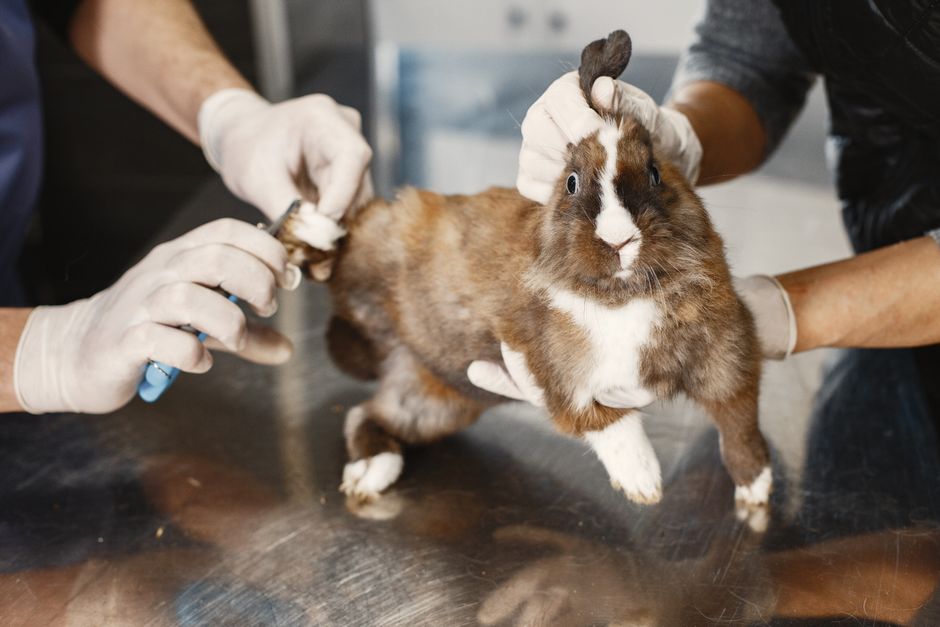
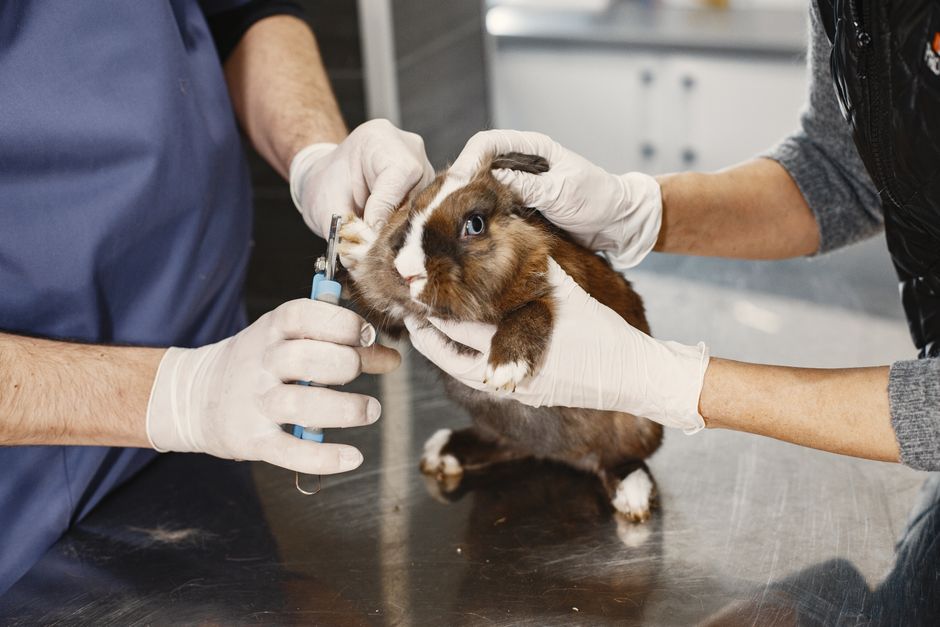
Identifying respiratory illness early is the best way to protect your exotic animal’s health. The signs can be subtle and often depend on the species. For birds, common symptoms include sneezing, nasal discharge, labored breathing, frequent tail bobbing, or a change in voice. Owners may also notice decreased energy or changes in appetite. Small mammals such as rabbits, guinea pigs, or ferrets might show watery eyes, noisy breathing, coughing, lethargy, or a dampness around the nose and mouth. Reptiles can be a little trickier; warning signs are often open-mouth breathing, bubbles at the nostrils, wheezing, or persistent gaping. In all exotic pets, a sudden drop in activity level or refusal to eat is a red flag.
Because exotic species instinctively hide illness to avoid appearing vulnerable, any change in normal behavior should prompt closer observation. Even mild respiratory symptoms can quickly worsen, so keeping a close eye on your bird, reptile, or small mammal during the fall months is vital. If you are uncertain whether your exotic companion’s symptoms require veterinary attention, a wellness examination with our veterinary team is always a wise first step.
Why Do Respiratory Infections Spike in the Fall for Exotic Pets?
Exotic pet species are highly sensitive to their surroundings. As the weather shifts in Newtown each fall, several environmental factors converge to increase the risk of respiratory illness. Cooler outdoor temperatures often lead to more time spent inside, where ventilation may be reduced and humidity levels can fluctuate. Dampness and drafts can quickly chill small animals and birds, while reptiles may struggle to maintain their preferred temperature gradient if their enclosures are not adjusted for seasonal changes.
Other contributors include increased dust from household heating systems, mold growth in humid environments, or higher concentrations of airborne irritants due to closed windows. Birds and small mammals are especially prone to respiratory infections when exposed to sudden temperature drops or persistent dampness. For reptiles, insufficient basking spots, poor humidity control, or unclean enclosures can stress the immune system and pave the way for infection.
Social changes in the fall, such as new pets joining the household or returning from summer boarding, can also introduce new pathogens. Additionally, stress from environmental changes weakens the body’s natural defenses, making it easier for bacteria, viruses, or fungi to take hold. Understanding these seasonal risks is the first step toward prevention and a healthy fall season for your exotic companion.
Treatment Options for Respiratory Infections in Exotic Animals
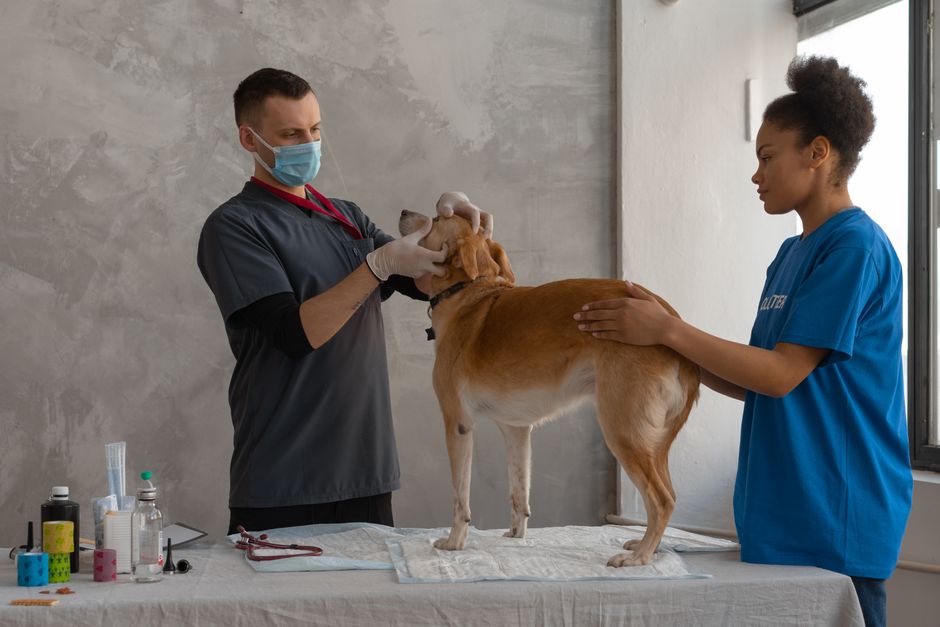
If your exotic pet develops respiratory symptoms, prompt professional care is essential. The veterinarians at Pet Town Veterinary are highly trained in the diagnosis and treatment of exotic species, using advanced tools like in-house diagnostic laboratory services and digital radiology to pinpoint the cause and severity of illness. For birds, small mammals, and reptiles, the approach to treatment depends on the underlying infection and your animal’s specific needs.
Treatment often involves supportive care such as supplemental oxygen for severe cases, fluid therapy, and nutritional support. Medications may include antibiotics for bacterial infections, antifungals for fungal issues, or nebulization therapy to help clear airways. Our veterinary team may recommend adjustments to your pet’s environment, such as increasing warmth, optimizing humidity, or deep cleaning enclosures to remove contaminants. In some cases, hospitalization is required for close monitoring and advanced supportive care.
Early intervention is crucial for exotic pets, as respiratory infections can deteriorate quickly. Our state-of-the-art facility is equipped to provide comprehensive treatment and ongoing management to help your bird, reptile, or small mammal recover fully. We encourage owners to reach out as soon as symptoms arise, since the earlier treatment begins, the better the outcome for your unique companion.
Preventing Respiratory Infections at Home: Practical Steps for Exotic Owners
Prevention is always preferable to treatment, especially for exotic animals with delicate respiratory systems. As the fall season progresses, you can protect your companion by making a few key adjustments at home. For birds, ensure their cage is placed away from windows and drafts, and maintain a stable, comfortable temperature. Humidity should be monitored and adjusted as needed; many species benefit from a room humidifier or gentle misting, but excessive moisture can lead to mold, so balance is key.
For small mammals, keep bedding clean and dry, and avoid using dusty or aromatic substrates that can irritate the airways. Monitor cages for any signs of dampness or ammonia buildup, and provide plenty of fresh air while avoiding cold drafts. Reptile owners should review heating and lighting setups each fall, checking that basking areas remain consistent and that temperature gradients fit the species’ requirements. Humidity in enclosures should match natural habitat needs, as both too much and too little can create problems.
Routine cleaning is vital for all exotic pets; remove waste promptly and disinfect enclosures regularly with animal-safe products. If your pet is housed near a heating system, consider air purifiers or filters to reduce airborne dust. For multi-pet households, quarantine new arrivals for several weeks and schedule a veterinary checkup before introducing them to established pets. Staying up-to-date with preventive vaccination services, when applicable, can further reduce infection risks.
By remaining attentive to your animal’s environment and health, you can significantly lower the likelihood of respiratory illness this fall. If you have questions about species-specific care, our veterinary professionals are always happy to advise you.
When Should You Seek Veterinary Care for an Exotic Pet’s Respiratory Illness?
Knowing when to seek professional help can make the difference between a mild illness and a life-threatening emergency. Owners should contact a veterinarian promptly if their exotic pet shows persistent symptoms such as difficulty breathing, open-mouth breathing, blue or pale gums, extreme lethargy, or refusal to eat for more than 24 hours. Birds that sit fluffed up at the cage bottom, reptiles showing pronounced gaping or lack of movement, and small mammals with severe nasal discharge or noisy breathing all need immediate attention.
If you are unsure whether your pet’s symptoms are serious, it is always safer to schedule a prompt evaluation. At Pet Town Veterinary, our emergency veterinary care for exotic pets ensures that urgent cases are handled quickly and compassionately. Our facility is equipped to stabilize and treat respiratory distress, and our team of veterinarians has experience in the nuances of exotic animal medicine.
For less urgent concerns, or if you simply want peace of mind as fall progresses, a wellness examination can help catch early changes before they become serious problems. Our practice welcomes exotic pets from Newtown and surrounding communities, and we are committed to providing personalized care for every species we see.
Supporting Your Exotic Companion’s Health This Fall
Fall weather in Connecticut brings beauty and change, but it can also challenge the delicate respiratory health of exotic pets. By watching for early signs of illness, understanding seasonal risks, and taking simple steps to optimize your animal’s environment, you can help your bird, reptile, or small mammal thrive as the temperatures drop. The veterinary professionals at Pet Town Veterinary are here to support you every step of the way, from preventive wellness exams to urgent care and ongoing management of chronic conditions.
If you notice any symptoms of respiratory illness, or if you have questions about how to keep your exotic companion healthy this season, do not hesitate to contact our team. Schedule an appointment by calling (203)-304-9040 or visit us at 56 Church Hill Rd, Newtown, CT 06470. When searching for a veterinarian near me who understands the complexities of exotic pet care, trust Pet Town Veterinary to provide the expertise and compassion your animal deserves. For more information on our exotic medicine services for birds, reptiles, and small mammals, or to schedule a wellness examination, our Newtown-based veterinary team is always here to help your unique companion enjoy a healthy, happy fall season.
Medical Disclaimer: This blog is intended for informational purposes only and should not be considered a substitute for professional veterinary advice. Always consult a qualified veterinarian for specific questions regarding your exotic pet’s health.