How to Prepare Birds and Small Mammals for Vet Visits
How to Prepare Birds and Small Mammals for Vet Visits
Taking your bird or small mammal to the veterinarian can feel stressful, both for you and for your exotic companion. Whether you are a first-time exotic animal owner or have years of experience with birds, rabbits, guinea pigs, or other unique species, it is natural to worry about how your animal will handle the journey and the visit itself. At Pet Town Veterinary, located at 56 Church Hill Rd, Newtown, CT 06470, our veterinary team understands the special needs of exotic animals and is here to help you every step of the way. In this guide, we will share essential tips for safe travel, choosing the right carrier, and minimizing stress for your bird or small mammal before and during their veterinary visit. You will also learn how our team ensures gentle, expert care for these unique patients, making your visit as smooth as possible. If you are unsure about the best way to transport your animal or have questions about what to expect, our exotic medicine services are designed to support you and your companion every step of the way.
Recognizing Signs of Stress and Discomfort in Birds and Small Mammals
Before preparing for a vet visit, it is important to recognize how birds and small mammals show signs of stress and discomfort. Birds might display symptoms such as rapid breathing, fluffed feathers, vocalizing more or less than usual, or even attempting to escape or hide. Small mammals, including rabbits, guinea pigs, ferrets, and hamsters, often react by freezing, hiding, thumping, teeth grinding, or refusing food and water. Some animals may become unusually quiet or, conversely, more vocal or restless. Recognizing these behaviors before the appointment helps you better understand your animal’s baseline and alert the veterinary team to any changes that develop during travel or the exam. Monitoring for subtle changes, such as drooping wings in birds or hunched posture in rabbits, can also indicate rising fear or discomfort.
Why Birds and Small Mammals Are Prone to Stress During Travel and Vet Visits
Understanding why exotic species are sensitive to travel and new environments can help you take practical steps to minimize their stress. Birds and small mammals are prey animals in the wild, hardwired to be alert and cautious in unfamiliar situations. The sights, sounds, and vibrations of travel can trigger a fear response, leading to rapid heart rate, changes in breathing, and even immune suppression. For example, placing a bird’s carrier in direct sunlight or next to a barking dog during transport can lead to overheating or panic. Similarly, small mammals are sensitive to temperature changes and drafts, and sudden movement or loud noises can make them feel threatened. These animals often mask illness or distress to avoid drawing attention from predators, so even if your bird or small mammal appears calm, underlying stress may still be present. The veterinary environment itself—unfamiliar smells, bright lights, and handling by new people—can add to the anxiety if not managed with care and expertise.
How to Safely Prepare and Transport Your Bird or Small Mammal
Ensuring a safe, comfortable journey starts with choosing the right carrier and environment for your animal. Birds should travel in a secure, appropriately sized travel cage or carrier that allows them to stand comfortably but not fly or move excessively, as this helps prevent injury during sudden stops. Covering part of the carrier with a light cloth can create a sense of security, but always ensure your bird has adequate ventilation. Line the bottom with a familiar, non-slip surface such as a towel or paper to prevent sliding. For small mammals, select a sturdy carrier with secure latches and good airflow; the carrier should be large enough for your animal to turn around, but not so large that they are tossed about during transport. Place soft bedding or some of their usual nesting material inside to provide comfort and a familiar scent. If your small mammal enjoys hiding, include a small box or tunnel to retreat into.
Before leaving home, acclimate your animal to the carrier by placing treats or favorite toys inside and allowing short practice sessions. This helps reduce anxiety when the time comes for the actual trip. During travel, keep the carrier in a quiet, stable part of the car, away from direct sunlight, cold drafts, or air conditioning vents. Avoid strong air fresheners or other scents that may be overwhelming. Speak softly and avoid sudden movements to keep your animal calm. If you are traveling in hot or cold weather, precondition the vehicle’s temperature before placing your animal inside.
What to Expect During the Veterinary Visit
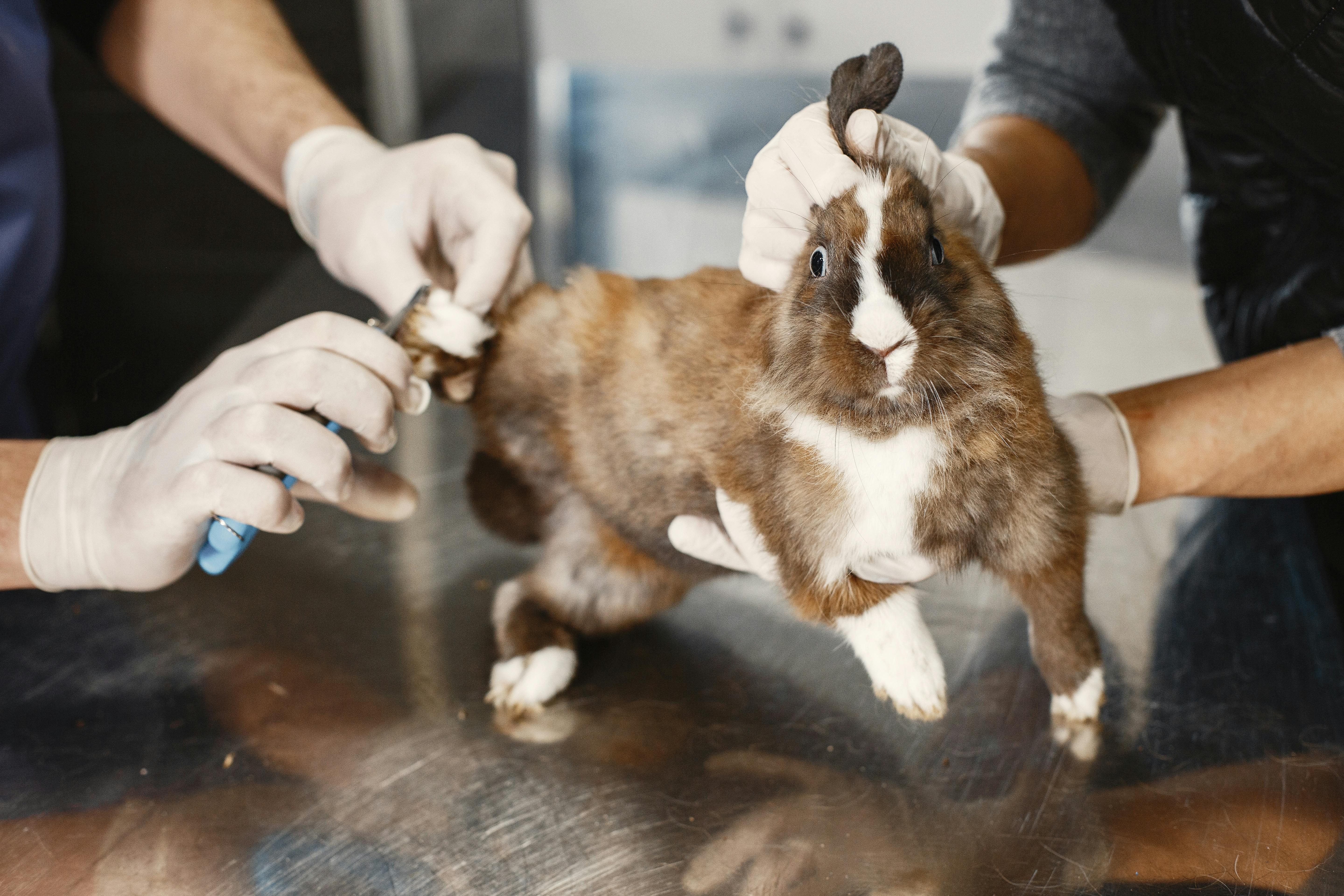
When you arrive at Pet Town Veterinary, our team of veterinarians and support staff will greet you and help make your exotic animal’s visit as stress-free as possible. We understand the unique challenges birds and small mammals face in new environments, so we prioritize gentle handling and a quiet exam room whenever possible. During the appointment, expect the veterinary professional to ask about your animal’s normal behavior, diet, and environment. For birds, the examination may include assessing feathers, beak, wings, and feet, as well as listening to the heart and lungs. Small mammals will be checked for body condition, dental health, skin and coat quality, and any signs of pain or abnormal behavior.
If your animal needs diagnostics such as bloodwork or imaging, our state-of-the-art facility offers advanced options tailored to exotic species. The veterinary team will explain each step and answer your questions about procedures, recovery, and home care. Should your animal require follow-up care, we will discuss a personalized plan that considers your animal’s specific needs and temperament. For those interested in learning more about what happens during a visit, our wellness examination services provide a detailed overview of the process for all species, including birds and small mammals.
Minimizing Stress Before, During, and After the Visit
There are several ways you can help your bird or small mammal feel more secure before, during, and after their veterinary appointment. Before the visit, maintain your animal’s usual feeding and activity schedule to provide a sense of continuity. Offer familiar treats or toys in the carrier, and keep your own demeanor calm, as animals often pick up on your emotions. Upon arrival at the clinic, keep the carrier covered and in your lap or on a stable surface to minimize noise and visual stimuli. Let the veterinary team know if your animal has specific fears or triggers, such as certain sounds or handling techniques.
During the exam, remain nearby if permitted, speaking softly to reassure your bird or small mammal. After the visit, return home promptly and let your animal rest in a familiar, quiet space. Monitor for changes in behavior, appetite, or droppings, as these can signal lingering stress or the need for further care. Offering a favorite treat or extra attention can help your animal settle back into their routine. If you have questions about post-visit behavior or care, contacting your veterinary team for guidance is always encouraged.
When to Schedule a Veterinary Visit for Your Bird or Small Mammal
Regular veterinary visits play an important role in the lifelong health of exotic animals. While annual check-ups are recommended for most birds and small mammals, certain signs indicate the need for prompt medical attention. Bring your animal in if you notice changes in eating or drinking habits, sudden weight loss, puffed feathers or rough coat, lethargy, labored breathing, discharge from the eyes or nose, diarrhea, or any injuries. Birds that sit at the bottom of the cage or small mammals that stop grooming themselves may be showing early signs of illness. Even minor changes in droppings, vocalizations, or social behavior can signal a developing problem.
When emergencies arise, our same-day care ensures that your animal receives timely attention. If you are ever unsure whether your bird or small mammal requires immediate care, our emergency veterinary care page provides guidance on urgent situations and how to contact our team quickly. Remember, exotic animals often hide symptoms until an illness is advanced, so early intervention is critical for the best outcome.
Supporting Exotic Animal Owners in Newtown and Beyond
At Pet Town Veterinary, our commitment extends beyond the exam room. We are here to support exotic animal owners throughout Newtown and surrounding communities with education, preventive care, and personalized treatment plans. Our veterinary team is experienced with the unique needs of birds, rabbits, guinea pigs, ferrets, and other small mammals, and our facility is equipped to provide advanced diagnostics and gentle handling every step of the way. If you have questions about preparing for your visit, or if your animal has special requirements, we encourage you to reach out for guidance. Searching for a veterinarian near me who truly understands exotic animals? Our team is dedicated to providing the highest standard of care for even the most unique companions.
To schedule an appointment or discuss your bird or small mammal’s health needs, please call (203)-304-9040 or visit us at 56 Church Hill Rd, Newtown, CT 06470. For more information about what to expect, explore our exotic medicine services and wellness examination options. Our veterinary professionals are always here to answer your questions and support you in caring for your extraordinary companion.