Cold Weather Joint Care Tips for Pets in Newtown, CT

Cold Weather Joint Care Tips for Pets in Newtown, CT
As February’s cold grip settles over Newtown, CT and the surrounding communities, many pet owners notice their companions slowing down, seeming stiff, or shying away from their usual activities. Whether you share your home with a playful dog, a curious cat, or an exotic friend, the chill of winter can be tough on their joints. At Pet Town Veterinary, conveniently located at 56 Church Hill Rd, Newtown, CT 06470, our team of veterinarians understands how seasonal changes impact pets’ mobility and comfort. In this post, we’ll explore how cold weather affects joint health, the signs that signal your pet may be struggling, and practical strategies to keep them moving comfortably all winter long. We’ll also explain how our advanced diagnostics and same-day emergency services can help when your pet needs more than at-home care. For those wondering about scheduling a professional assessment or looking for comprehensive joint support, you’ll find guidance and next steps here.
Recognizing Joint Stiffness and Discomfort in Cold Weather
When winter arrives in Connecticut, pets may develop joint issues that were hidden during warmer months. Key symptoms of joint discomfort include visible stiffness when rising from rest, reluctance to jump or climb stairs, and a noticeable decrease in playfulness or energy. You might observe your dog lagging during walks or your cat hesitating to leap up to their favorite perch. Some pets even show subtle signs such as a change in posture, favoring one limb, or grooming less—especially around sore joints. For exotic pets, such as rabbits or reptiles, signs can include reduced activity, changes in appetite, or a reluctance to move about their enclosure. If your pet is less eager to go outside, spends more time sleeping, or shows any of these behaviors, it could be linked to joint discomfort exacerbated by low temperatures.
Subtle Changes to Watch For
Often, joint discomfort progresses gradually, and the earliest warning signs may be easy to overlook. These include a pet taking longer to get up after a nap, a slight limp on chilly mornings, or a general decrease in mobility. Some pets may become irritable or sensitive to touch around their legs or back. Others might lick or chew at a particular joint. By staying attuned to these behaviors, you can intervene early and help your pet stay comfortable throughout the winter.
Why Cold Weather Aggravates Joint Issues in Pets
Colder months can have a pronounced effect on joint health for several reasons. When temperatures drop, decreased blood flow to joint tissues can make existing inflammation and stiffness more noticeable. Pets with arthritis, hip dysplasia, or previous injuries are especially vulnerable, as cold weather amplifies their discomfort. Additionally, pets tend to be less active during the winter, which leads to muscle loss and further reduces joint support. For those living in Newtown and nearby areas, icy sidewalks, snow-covered yards, and chilly winds can prompt both pets and owners to avoid outdoor exercise, contributing to joint stiffness.
Age and Breed Factors
Certain breeds and older pets are more susceptible to joint pain in cold weather. Larger dogs, such as retrievers and shepherds, as well as breeds with a genetic predisposition to orthopedic issues, may struggle more during winter. Similarly, senior cats and exotic pets with a history of joint or bone concerns face a greater risk of discomfort when temperatures plunge.
Veterinary Treatment and Advanced Diagnostics at Pet Town Veterinary
When your pet’s joint discomfort interferes with daily life, it’s time for a professional evaluation. At Pet Town Veterinary, our comprehensive services include advanced diagnostics such as digital radiology, veterinary ultrasounds, and our in-house pet diagnostic lab. These tools allow our veterinary team to pinpoint the cause of your pet’s discomfort, whether it’s early arthritis, a soft tissue injury, or another underlying condition.
Treatment strategies are tailored to each pet’s specific needs and may involve pain management, anti-inflammatory medications, or joint supplements recommended by our veterinarians. For pets with advanced arthritis or severe joint disease, additional therapies such as physical rehabilitation, therapeutic laser treatments, or even surgical options may be discussed during your visit. Our team will explain each step and help you choose the best path forward for your pet’s comfort and mobility.
What to Expect During a Veterinary Visit
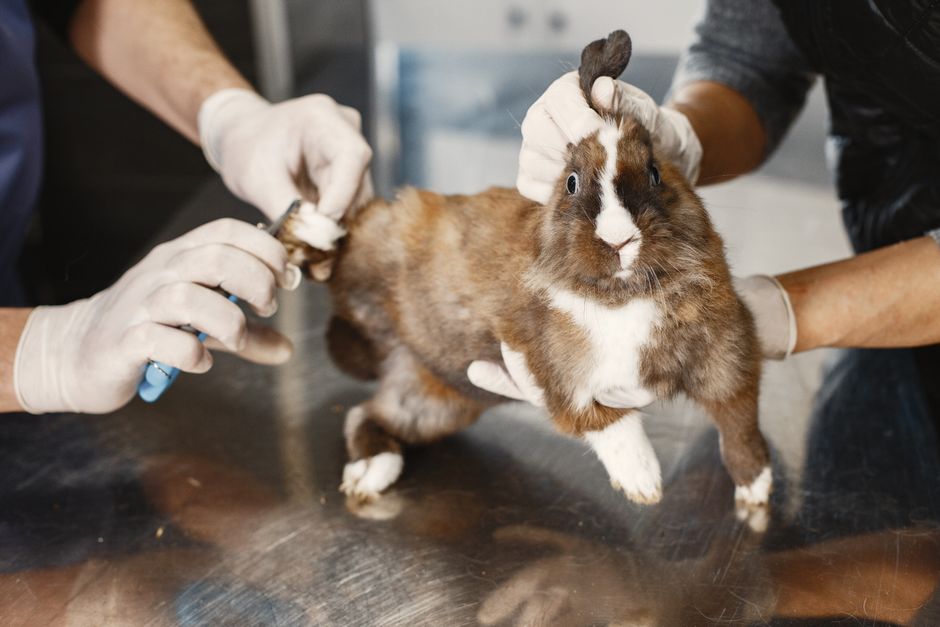
During your pet’s appointment, we’ll begin with a thorough wellness examination to assess joint flexibility, muscle tone, and overall health. If needed, we may recommend further diagnostics like x-rays or blood tests to rule out underlying problems. Our goal is to catch joint issues early and implement a plan that supports your pet’s quality of life through every season.
Home Care and Prevention: Keeping Your Pet Comfortable All Winter
While veterinary care is essential for pets showing signs of joint pain, there are also steps you can take at home to support their comfort during Newtown’s coldest months. Ensuring your pet maintains a healthy weight is one of the most important preventive measures, as excess pounds put additional strain on joints. Encourage gentle, regular exercise adapted to your pet’s abilities; short, frequent walks for dogs or interactive play sessions indoors can help keep muscles strong and joints limber. For cats, climbing towers or puzzle toys provide movement and enrichment, while exotic pets benefit from habitat modifications to promote activity.
Creating a warm, draft-free resting area for your pet can make a significant difference. Orthopedic beds, heated pads designed for pets, and non-slip rugs to prevent slips on cold floors are all practical additions. For exotic pets, maintaining the appropriate enclosure temperature is especially important, as reptiles and small mammals are highly sensitive to environmental changes. You might also consider joint supplements containing glucosamine, chondroitin, or omega-3 fatty acids; however, always consult your veterinarian before starting any new supplement, as not all products are suitable for every species.
When to Schedule a Veterinary Exam for Your Pet’s Joints
It’s important to recognize when home care is not enough for your pet’s joint issues. Schedule an appointment with our veterinary team if your pet shows persistent stiffness, worsening lameness, or significant changes in mobility or behavior. Sudden inability to put weight on a limb, obvious swelling, or signs of severe pain—such as crying out or snapping when touched—require prompt attention. For exotic pets, any loss of appetite, dramatic change in movement, or unusual posture should prompt a veterinary assessment.
At Pet Town Veterinary, we offer same-day emergency services for urgent cases, along with comprehensive wellness care for ongoing joint management. Our veterinary professionals are committed to helping pets in Newtown and the surrounding communities maintain healthy, active lives, no matter the season. If you are searching for a “vet near me” who understands the specific challenges of winter joint care, our clinic is ready to support you and your pet every step of the way.
Supporting Your Pet’s Mobility: Contact Pet Town Veterinary Today
Winter in Newtown presents unique challenges for pets with joint concerns, but with early recognition, attentive home care, and expert veterinary support, your companion can remain active and comfortable all season. If you notice signs of stiffness or discomfort, our team of veterinarians at 56 Church Hill Rd, Newtown, CT 06470 encourages you to schedule a comprehensive exam or ask about our advanced diagnostic services. To learn more about our approach or to book your next visit, call (203)-304-9040 or explore our website for information on wellness examinations and digital radiology.
Your pet’s comfort and mobility are our highest priorities. Let our veterinary professionals help your furry, feathered, or scaled companion enjoy winter to the fullest, with expert care tailored to their needs. For trusted joint care and compassionate support, Pet Town Veterinary is here for your family—today and every season.
Disclaimer: This blog is for informational purposes only and should not replace professional veterinary advice. Always consult your veterinarian for specific concerns regarding your pet's health and joint care needs. For urgent issues, contact your veterinarian immediately.