Pet Ultrasound for Exotic Animals in Newtown
Pet Ultrasound for Exotic Animals in Newtown
Caring for exotic animals such as birds, rabbits, guinea pigs, and other small mammals means navigating unique health concerns that traditional pets may never face. When your exotic companion starts showing subtle signs of illness, a rapid and accurate diagnosis can make all the difference in their outcome. At Pet Town Veterinary in Newtown, CT, our experienced veterinary team is committed to providing advanced diagnostic services tailored to the needs of exotic species, including state-of-the-art pet ultrasound. Whether your bird is suddenly less vocal or your rabbit is off their food, our clinic is here to help you understand the underlying issues and provide compassionate care every step of the way. In this article, you’ll discover how pet ultrasound works for exotic animals, what to expect during your visit, and why it’s a safe, effective tool for ensuring your unique companion’s health. If you’re curious about specialized exotic animal care, you can also read more about our exotic medicine services designed for birds and small mammals.
Recognizing When Your Exotic Animal May Need an Ultrasound
Exotic animals are masters at hiding illness, making it challenging for even the most attentive owners to detect problems early. Unlike dogs or cats, a bird or small mammal might not show obvious symptoms until a condition is more advanced. Common reasons your exotic companion might need a pet ultrasound include changes in eating or drinking habits, noticeable weight loss, lethargy, breathing difficulties, abnormal droppings or urine, or visible swelling in the abdomen. For example, a parrot who suddenly becomes quiet and fluffs up their feathers, or a guinea pig who stops eating and spends more time hiding, may be experiencing internal issues that require prompt attention.
It’s also important to watch for subtle behavioral shifts, such as a rabbit who refuses to hop around or a ferret who seems unusually withdrawn. In some cases, you may notice changes in feather or fur quality, a hunched posture, or straining to urinate or defecate. These signs can point to a range of underlying conditions, from gastrointestinal blockages to reproductive problems or organ disease. If any of these changes occur, scheduling a prompt evaluation with our veterinary professionals can help determine if a diagnostic imaging procedure, such as a pet ultrasound, is necessary.
Why Exotic Animals Develop Health Issues That Require Imaging
Exotic species are known for their sensitivity to environmental changes and their tendency to hide symptoms of illness. Many factors can contribute to health problems that require advanced diagnostics. Stress from improper housing, dietary imbalances, exposure to drafts, or introduction of new animals can all precipitate illness in birds and small mammals. Diseases such as egg binding in female birds, gastrointestinal stasis in rabbits, bladder stones in guinea pigs, or heart disease in ferrets often develop quietly and progress quickly.
Because of their unique anatomy and physiology, exotic animals may develop conditions that are difficult to diagnose with a basic physical examination alone. For example, birds have air sacs and a different abdominal structure than mammals, making it challenging to feel masses or organ enlargement by touch. Small mammals are prone to hidden tumors, abscesses, or organ failure that may not be evident until advanced stages. That’s why our veterinary team at Pet Town Veterinary employs advanced imaging techniques, including diagnostic ultrasound services, to visualize internal organs and tissues without invasive surgery.
How Pet Ultrasound Works for Exotic Animals
A pet ultrasound is a noninvasive imaging tool that uses high-frequency sound waves to create detailed pictures of the internal structures of your exotic animal’s body. During the procedure, a veterinarian or trained technician gently applies a small probe, called a transducer, to the animal’s skin. This probe emits sound waves that bounce off tissues and organs, producing real-time images on a monitor.
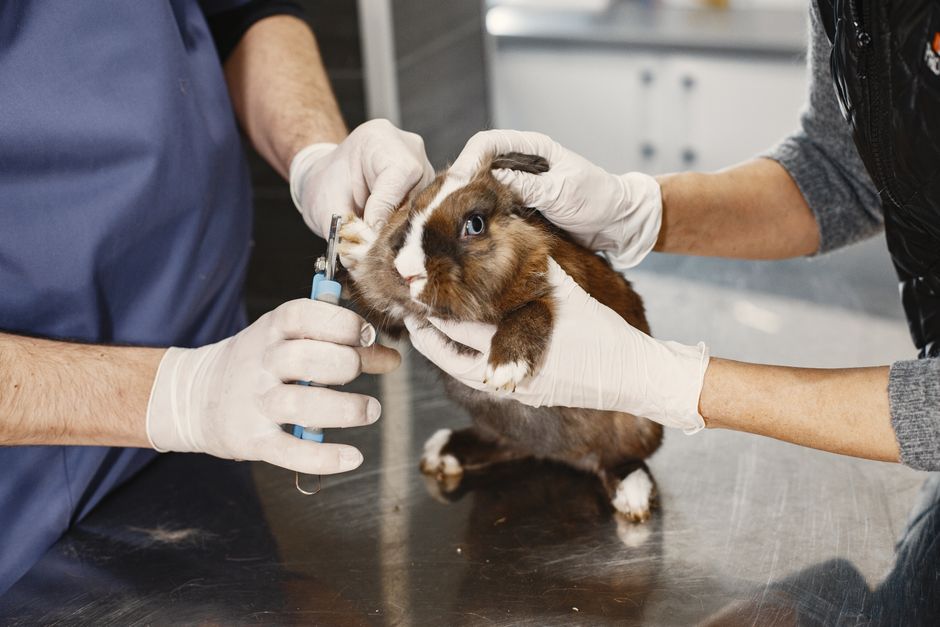
For exotic species, ultrasound offers a safe and gentle way to assess the heart, liver, kidneys, reproductive tract, gastrointestinal tract, and even detect fluid or abnormal masses. The procedure is typically performed with your companion awake or under mild sedation, depending on their temperament and the area to be examined. Rabbits and guinea pigs may be soothed with gentle restraint and calming techniques, while birds often tolerate the process well when wrapped in a soft towel.
Our veterinary professionals are skilled in adapting the pet ultrasound procedure to the unique needs of exotic species. Specialized equipment with smaller probes and advanced image resolution allows us to capture clear images, even in tiny patients. The process is usually quick and stress-minimized, with most animals returning to their normal routine shortly after the exam.
What to Expect During Your Exotic Animal’s Ultrasound
When you bring your bird or small mammal to Pet Town Veterinary for a pet ultrasound, our team begins with a thorough review of your companion’s history and a gentle physical examination. We take the time to explain the procedure, answer your questions, and address any concerns you may have about your animal’s safety and comfort.
Prior to the ultrasound, your companion may need a small area of fur or feathers shaved or parted to allow for optimal contact with the ultrasound probe. Our team uses species-appropriate restraint methods to keep your animal safe and relaxed throughout the process. For most exotic animals, anesthesia is not required, though very anxious or uncooperative patients may benefit from mild sedation for their comfort.
The ultrasound itself typically takes from fifteen to forty-five minutes, depending on the complexity of the case. Throughout the procedure, you can expect our veterinarians to communicate their findings and discuss the next steps in your companion’s care. Results are often available immediately, allowing for timely decision-making and peace of mind.
The Benefits and Safety of Pet Ultrasound for Birds and Small Mammals
Pet ultrasound is considered one of the safest diagnostic tools available for exotic animals. It does not use radiation, and the process is entirely noninvasive, making it ideal for fragile or sensitive species. The ability to visualize internal organs in real time allows our veterinary team to diagnose conditions such as tumors, cysts, fluid accumulation, egg binding, heart disease, and organ enlargement without subjecting your exotic animal to unnecessary stress or discomfort.
For example, if a parakeet suddenly develops a swollen abdomen, ultrasound can help determine whether the cause is an egg that is stuck, a tumor, or fluid buildup. In rabbits presenting with a loss of appetite and bloating, ultrasound can help identify gastrointestinal stasis or blockages requiring immediate intervention. Early and accurate diagnosis means that treatment can begin quickly, improving the chances of a positive outcome.
Additionally, pet ultrasound is invaluable for guiding certain procedures, such as fluid drainage or biopsies, ensuring precision and minimizing risk. By using gentle restraint and species-specific protocols, our team makes the experience as comfortable as possible for your exotic companion. For more information about our state-of-the-art diagnostic offerings, explore how our diagnostic laboratory services support comprehensive exotic animal care.
Home Care and Preventive Steps for Exotic Companions
While advanced diagnostics like pet ultrasound are essential for managing illness in exotic species, preventive care at home plays a crucial role in keeping your companion healthy. Providing a species-appropriate diet, safe and enriched housing, routine cleaning, and minimizing stress are foundational steps for birds, rabbits, guinea pigs, and other small mammals. Observing your exotic animal daily for changes in behavior, appetite, droppings, or activity can help you catch subtle signs of illness early.
Regular wellness examinations with a veterinarian experienced in exotic animal medicine are equally important. These visits allow for baseline health assessments and proactive monitoring, making it easier to identify problems before they become serious. Our veterinary team can recommend tailored preventive care schedules, discuss nutrition and enrichment, and answer your questions about the best ways to support your unique companion.
When to Schedule Veterinary Care for Your Exotic Animal
If your bird, rabbit, or small mammal shows any signs of distress, including sudden changes in appetite, unusual droppings, labored breathing, visible swelling, or behavioral shifts, it’s important to seek veterinary attention right away. Exotic species can decline rapidly, so prompt intervention is critical. At Pet Town Veterinary, we offer same-day emergency services and prioritize the health of your exotic animal with advanced diagnostic options, including pet ultrasound.
Owners are encouraged to call our clinic as soon as any concerning signs appear rather than waiting for routine check-ups. Our veterinary professionals are happy to discuss your companion’s symptoms over the phone and help determine if immediate care is needed. Remember, early diagnosis is often the key to successful treatment and recovery in exotic species.
Why Choose Pet Town Veterinary for Exotic Animal Ultrasound in Newtown?
Exotic animal owners in Newtown and surrounding communities trust Pet Town Veterinary for our compassionate approach, advanced diagnostics, and deep understanding of species-specific needs. Our facility is equipped with the latest ultrasound technology designed for small patients, and our veterinary team is continually trained in the latest techniques for avian and small mammal medicine. We understand how important your unique companion is to your family and are dedicated to providing comprehensive care at every stage of life.
Whether you’re searching for a “veterinarian near me” who truly understands exotic animals or you want to schedule a routine wellness check, our team is ready to support you. We are proud to serve Newtown and the surrounding areas with excellence in exotic animal health care.
Schedule Your Exotic Animal’s Pet Ultrasound in Newtown Today
If you notice changes in your bird, rabbit, or small mammal, or your exotic companion needs a detailed diagnosis, don’t hesitate to reach out to Pet Town Veterinary. Our veterinary team is here to answer your questions and guide your animal’s care with experience and empathy. To learn more about our exotic veterinary services or schedule a pet ultrasound in Newtown, call us at (203)-304-9040 or visit us at 56 Church Hill Rd, Newtown, CT 06470. When you need a veterinarian near me who specializes in the needs of birds and small mammals, you can trust Pet Town Veterinary to provide the advanced care your companion deserves.
This blog is for informational purposes only and does not substitute for professional veterinary advice. If you are concerned about your exotic animal’s health, please contact your veterinarian promptly.