Understanding Sudden Appetite Changes in Pets: Causes and Next Steps

Understanding Sudden Appetite Changes in Pets: Causes and Next Steps
Has your dog suddenly turned away from breakfast, or has your once-enthusiastic cat begun to ignore dinner? If your pet’s eating habits have changed overnight, it’s natural to feel worried and want quick answers. Sudden loss of appetite in pets can signal anything from a minor upset to a more serious health issue, and knowing how to respond makes all the difference for your companion’s well-being. At Pet Town Veterinary, our team of veterinarians in Newtown, CT understands how distressing these changes can be. We are committed to helping you identify the cause and restore your pet’s health, offering state-of-the-art diagnostic services and same-day emergency care when needed.
In this guide, we’ll explore the common causes of appetite loss in dogs, cats, and exotic pets, the signs that should prompt concern, and the next steps you can take to help your pet. You’ll also learn how our pet diagnostic laboratory services in Newtown, CT can pinpoint the underlying issue, ensuring your pet receives timely, effective treatment. Whether you are searching for a "vet near me" for a sudden emergency or ongoing preventive care, our team is here for you and your pet.
Recognizing Loss of Appetite in Pets: Early Signs and Symptoms
Every pet has unique eating habits, but sudden changes in appetite are often among the earliest pet health symptoms that owners notice. Recognizing these changes promptly is crucial, as early intervention can prevent complications and get your pet back to feeling their best.
Key symptoms of appetite loss in pets include skipping meals, showing little interest in treats, approaching the food bowl but walking away, or eating much less than usual. You may notice your dog sniffing or licking food but not actually eating, or your cat may hide during mealtimes. For exotic pets like rabbits, birds, or reptiles, appetite changes can be subtler; signs include fewer droppings, changes in weight, or lethargy. Additionally, behaviors such as vomiting, diarrhea, drooling, or signs of mouth pain may accompany appetite loss and indicate a need for prompt attention.
It’s important to remember that appetite changes can have many causes, and even a single missed meal in certain species—such as small mammals or birds—may be an emergency. If your pet’s loss of appetite is accompanied by other pet health symptoms such as vomiting, diarrhea, labored breathing, or weakness, contact your veterinarian without delay.
What Causes Loss of Appetite in Pets? Exploring the Underlying Reasons
Appetite loss can be caused by a variety of physical and emotional factors. Understanding these causes helps you work with your veterinary team to find solutions and address any underlying medical concerns. Common reasons for appetite loss in pets include dental disease or oral pain, gastrointestinal disorders such as gastritis or intestinal blockages, infections or fevers, kidney or liver disease, and chronic conditions like diabetes or thyroid imbalance. Emotional stress, recent changes in the household, or anxiety—especially common in newly adopted pets—may also affect eating habits.
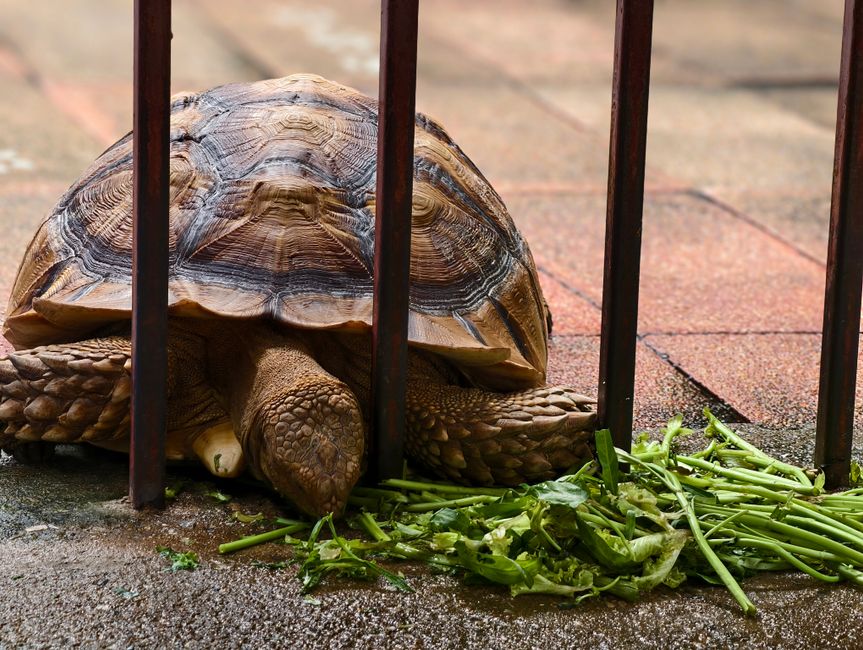
For exotic pets, loss of appetite can often be linked to environmental changes, improper temperature or humidity, or nutritional deficiencies. Birds and reptiles, for example, can be particularly sensitive to changes in their surroundings or diet, making regular monitoring of their behavior and food intake especially important.
Occasionally, appetite loss is the first visible sign of a more serious illness such as cancer or organ failure. This is why timely veterinary assessment and diagnostic testing are vital, particularly when loss of appetite is persistent or severe. Our pet diagnostic laboratory services in Newtown, CT provide rapid, accurate results to help determine the cause of your pet’s symptoms and guide appropriate treatment.
How Veterinary Diagnostics Pinpoint the Cause of Appetite Loss
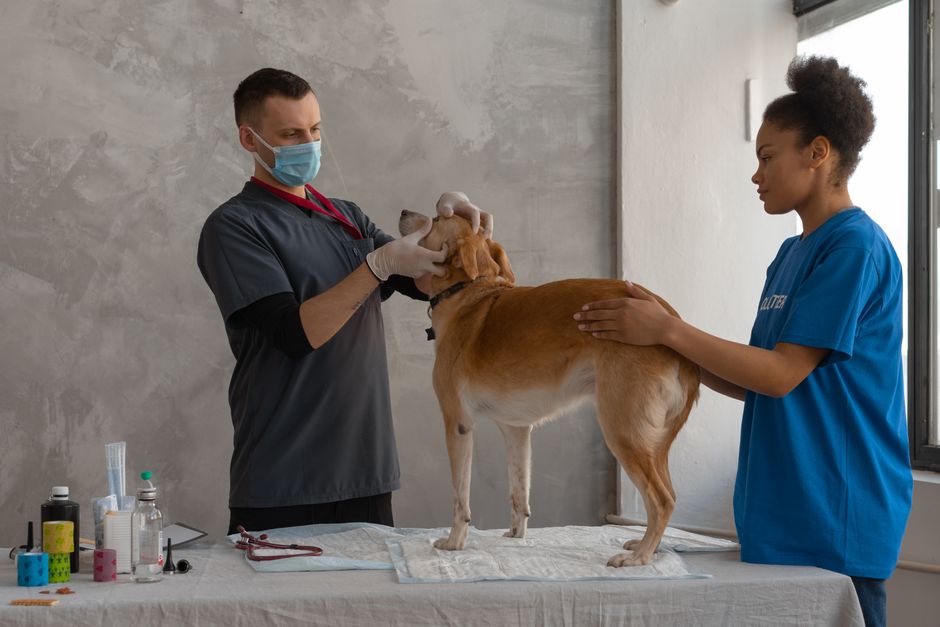
When you bring your pet to Pet Town Veterinary for a sudden change in appetite, our veterinarians begin with a thorough examination and detailed history. Questions about your pet’s recent behavior, environment, and any accompanying symptoms help us tailor our diagnostic approach. Depending on what we discover, further tests may be recommended to identify the root cause.
Our veterinary diagnostics in Newtown, CT, utilize advanced tools such as blood work, urinalysis, fecal testing, and in some cases, imaging procedures like vet ultrasounds or digital radiology. Laboratory testing can reveal underlying issues such as infection, organ dysfunction, or metabolic disorders, while imaging helps detect masses, obstructions, or dental problems not visible during a routine exam.
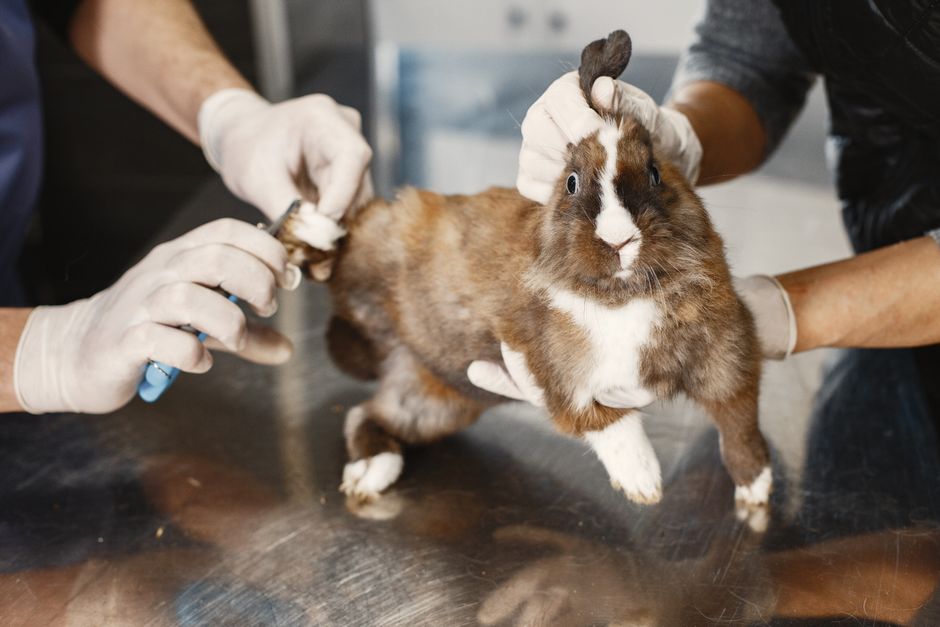
For exotic pets, specialized knowledge and diagnostics are often necessary. Our exotic pet veterinary services are designed to meet the unique needs of birds, small mammals, and reptiles, ensuring that even subtle signs of illness are not overlooked.
Treatment approaches for appetite loss in pets depend entirely on the underlying cause. If dental disease is discovered, dental cleanings, extractions, or oral medications may be required. Gastrointestinal issues may be managed with dietary changes, medications, or, in more serious cases, surgical intervention. When infections are the culprit, appropriate antibiotics or supportive care are provided. For pets with chronic conditions, long-term management plans involving medication, dietary modifications, and regular monitoring are developed in partnership with you.
Our comprehensive pet diagnostics near me make it possible to quickly identify and address your pet’s health needs, minimizing stress and promoting a faster return to normal eating habits.
Home Care and Prevention: Supporting Your Pet’s Appetite
While professional veterinary care is essential for diagnosing and treating appetite loss, there are steps you can take at home to support your pet’s appetite and overall well-being. Maintaining a consistent feeding schedule, offering a quiet and comfortable eating environment, and ensuring access to fresh water at all times can help encourage healthy eating. For pets recovering from illness or stress, gently warming food, providing favorite flavors, or hand-feeding small amounts may be helpful, but only after consulting your veterinarian.
Monitor your pet’s appetite, weight, and behavior regularly, and keep a record of any changes to share with your veterinary professionals. Preventive care such as regular wellness examinations, dental check-ups, and vaccinations plays a critical role in detecting health issues before they become severe. For exotic pets, regular assessment of their habitat, diet, and environmental conditions is vital to prevent stress-related appetite changes.
If your pet is prone to dietary sensitivities or stress, gradual transitions and positive reinforcement during meals can reduce anxiety and promote healthy eating behaviors. Always consult your veterinarian before introducing new foods or supplements, especially if your pet has a medical history or is taking medication.
When to Seek Veterinary Care for Appetite Loss
It can be difficult to know when a change in your pet’s appetite requires professional attention. As a general rule, if your pet refuses food for more than 24 hours, or if appetite loss is accompanied by other symptoms such as vomiting, diarrhea, lethargy, pain, or breathing difficulties, prompt veterinary evaluation is warranted. Young animals, small mammals, birds, and pets with chronic health problems are especially vulnerable to rapid deterioration and should be seen as soon as possible.
If you notice sudden weight loss, persistent drooling, difficulty swallowing, or swelling around the mouth or abdomen, these could indicate more serious underlying conditions. Our veterinary team at Pet Town Veterinary is trained to assess and manage a wide range of pet health symptoms and can provide immediate support when urgent care is needed.
For ongoing or recurrent appetite issues, scheduling a comprehensive pet examination in Newtown, CT, allows our veterinarians to assess your pet’s overall health, review their diet and environment, and develop a tailored care plan. Early intervention not only improves outcomes but also gives you peace of mind knowing your pet is in expert hands.
Restoring Your Pet’s Appetite and Well-Being: Your Next Steps
Sudden loss of appetite in pets can be unsettling, but you do not have to face it alone. At Pet Town Veterinary, our compassionate team of veterinarians is dedicated to providing thorough, state-of-the-art care for pets in Newtown, CT and surrounding communities. Whether your pet needs urgent attention or a routine check-up, we offer a full range of veterinary diagnostics in Newtown, CT, to quickly identify and treat the cause of appetite loss.
If you have noticed changes in your pet’s eating habits or are concerned about other pet health symptoms, we encourage you to schedule an appointment with our veterinary professionals. Our friendly team is here to answer your questions, provide supportive care, and work alongside you to restore your pet’s appetite and happiness. For more information about our wellness examinations or to discuss your pet’s specific needs, call us at (203)-304-9040 or visit our convenient location at 56 Church Hill Rd, Newtown, CT 06470.
If you are searching for a trusted "vet near me" who can provide quality veterinary services near you, Pet Town Veterinary is your reliable partner in pet health. Your pet’s well-being is always our top priority, and we look forward to supporting you through every stage of their care.